After the third day of using an experimental drug, Dylan Meetze experienced severe side effects, leading him to discontinue its use, reports BritPanorama.
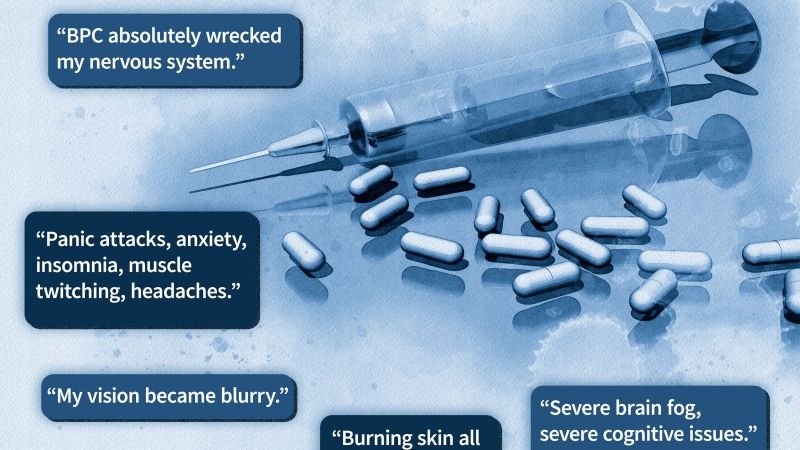
Meetze described feeling as if he were “underwater,” struggling to perform basic tasks. Following his decision to stop taking BPC-157, a peptide drug touted for its supposed health benefits, he continued to suffer from fatigue and anxiety for months, along with involuntary muscle twitches.
BPC-157, popularised in wellness and longevity podcasts, is a peptide that has yet to receive FDA approval due to a lack of clinical trials demonstrating its efficacy. Despite this, internet influencers promote it as a treatment for a range of ailments, including muscle injuries and digestive issues. A recent analysis of de-identified health records noted a rise in BPC-157 usage in the U.S., particularly among white males, with over 1,000 individuals reporting its use to healthcare providers since 2020.
Meetze chose to take BPC-157 after following Stanford neuroscientist Andrew Huberman, who has a significant following across social media platforms. Huberman has discussed the peptide’s potential benefits repeatedly on various podcasts, stating that it has a high safety profile based on animal studies. However, he also includes disclaimers indicating that the podcast does not provide medical advice.
Hoping to improve his performance as a weightlifter, Meetze purchased BPC-157 from an online vendor known for selling experimental substances meant for research rather than human consumption. The vendor’s website warns against human use, raising questions about the safety and legality of such products.
Amid these developments, Health Secretary Robert F. Kennedy Jr. has advocated for easing restrictions on peptides, arguing that the current regulations hinder advancements in health and wellness. On social media, he has voiced his commitment to removing barriers for substances he believes can enhance human health, despite their experimental status.
This initiative has garnered mixed responses from experts. Critics assert that easing regulations could mislead consumers into believing they are using scientifically validated drugs. Recent FDA panel discussions revealed that some members voted to relax restrictions on six experimental peptides, including BPC-157, suggesting that pharmacies should be allowed to dispense these unapproved substances.
Nevertheless, FDA scientists have raised concerns regarding the lack of evidence supporting the efficacy and safety of these peptides, citing potential risks including severe allergic reactions and liver damage. The recent vote by the FDA’s advisory panel has sparked further debate about the responsibilities of health institutions to ensure patient safety versus the desire for broader access to potentially beneficial treatments.
As this scenario unfolds, individuals like Meetze continue to seek community support online, sharing experiences related to unintended side effects from peptides. The discussions reflect both the allure and dangers associated with unregulated health products, highlighting a complex intersection of consumer choice, scientific assurance, and public health advocacy.
The ongoing discourse surrounding BPC-157 and other experimental peptides underscores larger questions about the regulatory landscape of health products in a rapidly evolving wellness market.