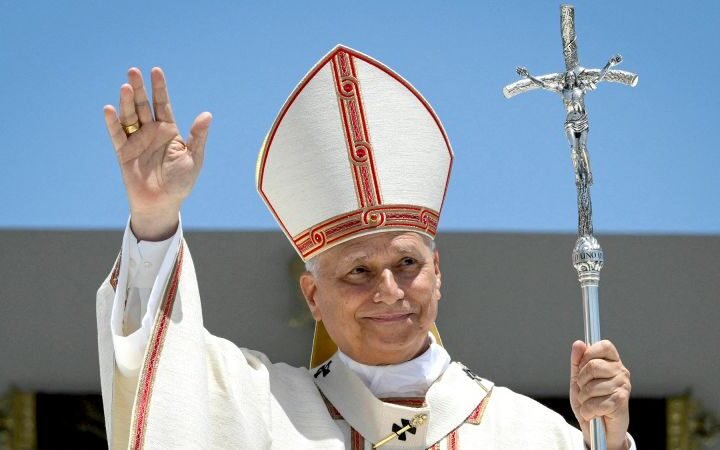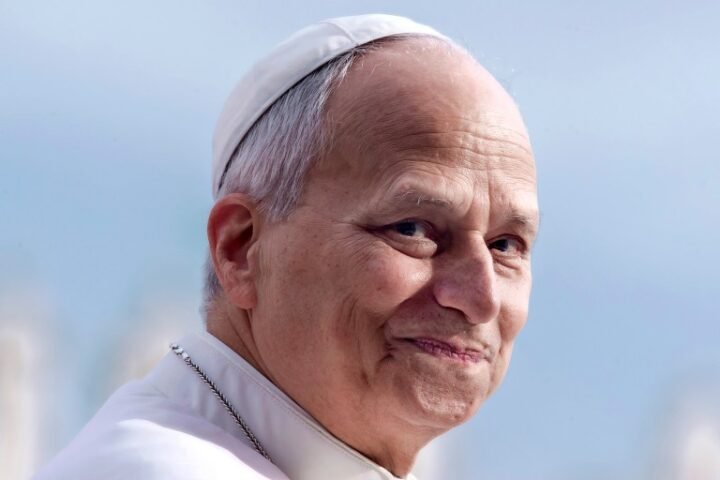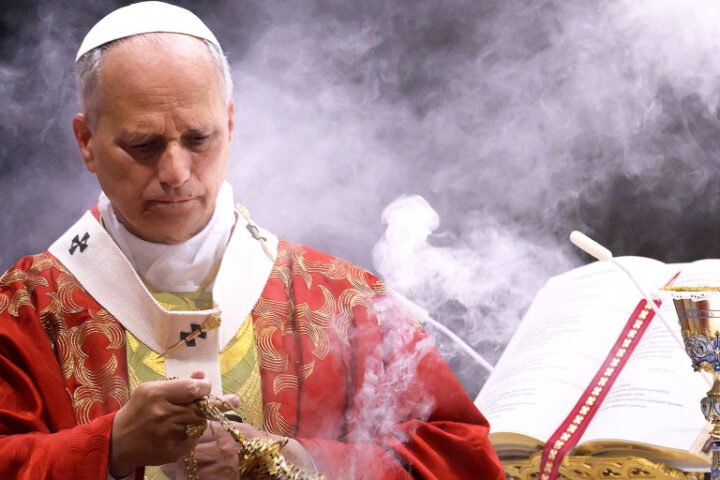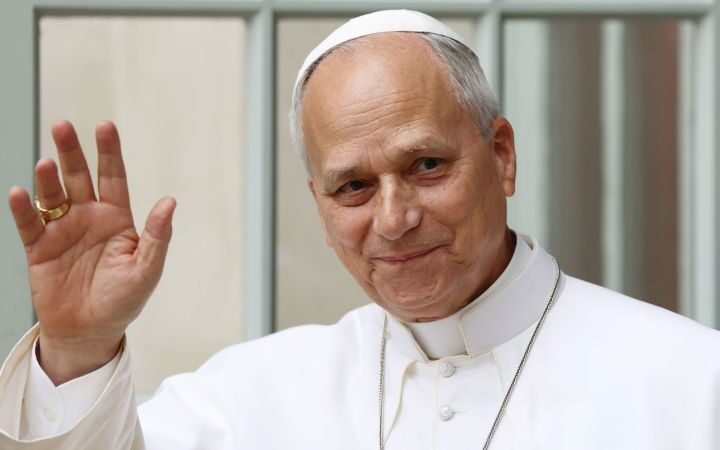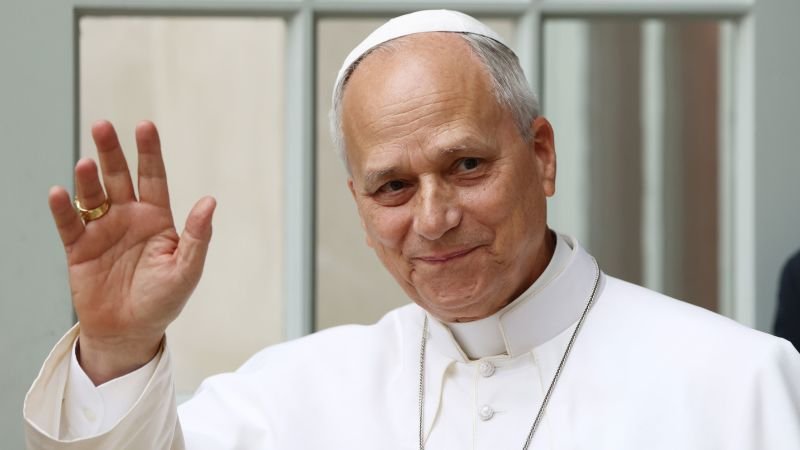
Pope Leo XIV undergoes surgery for lung cancer
Pope Leo XIV had surgery on Tuesday at Agostino Gemelli University Policlinic in northwest Rome to remove a nodule found to be pulmonary adenocarcinoma, the most common type of lung cancer, reports BritPanorama.
The Vatican has confirmed that surgeons successfully removed the cancerous growth along with the lower lobe of his right lung.
Pulmonary adenocarcinoma accounts for approximately 40% of all lung cancer cases and is classified as non-small cell lung cancer, typically progressing more slowly than small cell lung cancer. Surgery is often the first line of treatment for this condition, involving the removal of the lobe where the tumor is located, thereby increasing the chances of a successful outcome.
The precise cause of this type of cancer remains unclear. While smoking is a significant risk factor, other contributors include exposure to radon gas and particle pollution. Notably, pulmonary adenocarcinoma is frequently diagnosed in non-smokers, with a higher prevalence among women, younger patients, and individuals of East Asian descent.
Post-surgery recovery typically lasts several days while patients regain stability in their vital signs and oxygen levels. The lobectomy is expected to result in some pain; however, the impacts on lung function might be mitigated as the remaining lung adjusts to the altered capacity.
On Sunday, Pope Leo informed a gathering that the cancerous growth was identified at a “very early stage.” Dr. Juanita Mora, national medical spokesperson for the American Lung Association, noted that this early detection is beneficial for prognosis, especially following the surgical removal of the localized adenocarcinoma.
Dr. Mora further stated that Pope Leo’s active lifestyle as a healthy 71-year-old non-smoker will support his recovery. He is expected to undergo respiratory therapy exercises to aid in adjusting to the changes in lung function. Precautions against respiratory infections will also be vital, as any such complications could pose greater risks without a full lung.
His upcoming planned trip to Latin America next month will depend on the results of further tests determining the presence of any cancerous cells in nearby lymph nodes, which would influence the need for additional treatments such as chemotherapy or radiation.
The ongoing evaluation will also involve genetic and biomarker testing to refine treatment strategies if further intervention is required. Despite challenges, Dr. Mora expressed hope that the cancer remains isolated, as current survival rates post-surgical intervention show an 80% to 98% range for similar cases.
The situation continues to develop, with careful monitoring and testing being essential in the pope’s post-operative care.