Voters in north London will go to the polls tomorrow to decide who will succeed Sir Keir Starmer as the MP for Holborn and St Pancras, reports BritPanorama.
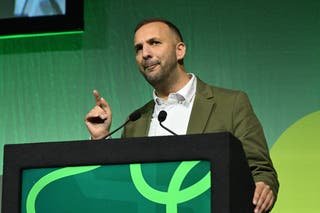
The fight for the former PM’s seat is set to be a close contest, with Green leader Zack Polanski throwing his hat in the ring to become an MP for the first time.
Based on previous results, the odds favour Labour’s candidate, Camden council leader Sagal Abdi-Wali. Sir Keir won the seat with just under half the vote share in 2024, and it has been a Labour stronghold since the 1980s.
However, this picture may not be clear-cut; new polling has shown that Londoners are split on who they would support in a two-horse race between Labour and the Greens, at 28 points to 26.
This marks a significant shift from the national picture, where approval for Labour continues to grow. The party has taken a five-point lead according to the latest polling by YouGov, marking the highest level of popularity since early 2025.
Government sources have indicated that they are interpreting the Holborn contest as a “test run” for an early general election. Labour strategists told The Independent last month that they hope the by-election will provide a clear indication of whether the party’s new leadership has mitigated the threat of the Greens.
Currently, Labour sits on approximately 27 per cent approval, based on an average from top pollsters.
The Greens, meanwhile, have plateaued at an average of 10 points approval, down dramatically from a peak of 14 in early 2026. This decline places the party at the bottom of the five leading parties, having been surpassed again by the Liberal Democrats.
Recent YouGov figures suggest that Andy Burnham may be winning back voters who previously turned away from Labour under Sir Keir Starmer’s leadership, particularly over issues related to Gaza and welfare spending.
Only 49 per cent of former Labour voters indicated they would support the party when the former prime minister stepped down in June, but that figure has risen to 63 per cent in the latest poll.
Support among 18- to 24-year-olds has also notably increased under Mr Burnham, rising from 14 per cent to 27 per cent over the same time period.
Labour continues to widen its gap with Reform, which remains in second place according to most pollsters. Despite gains in the devolved and local elections this May, controversies surrounding donations and the rise of Rupert Lowe’s Restore Britain appear to be turning voters away.
The considerable dip in support for Reform mirrors a decline in popularity for Mr Farage, whose latest favourability rating sits at a low of -36 this month, down from its peak of -27 last summer.
Meanwhile, the Conservatives have experienced a slight bump in support since Mr Burnham’s ascension, rising to an average of 20 points since June.
Labour’s rise in popularity under the new prime minister has prompted calls for an early election, which, if won, would secure him a mandate for at least five years to implement his proposed changes.
Mr Burnham has stated he wants to “knock dead” the idea of an early election, although both Kemi Badenoch and Ed Davey have indicated they are preparing for such a possibility.
Pollsters caution that there may be little benefit in calling an early contest for the Labour leader, arguing that the so-called “Burnham bounce” may already have peaked.
This poses tricky timing for Nigel Farage, who still faces the outcome of a parliamentary standards investigation following his return to Westminster.