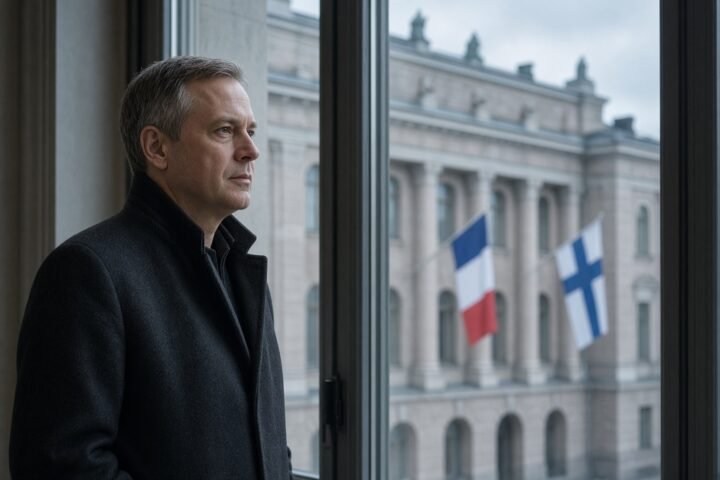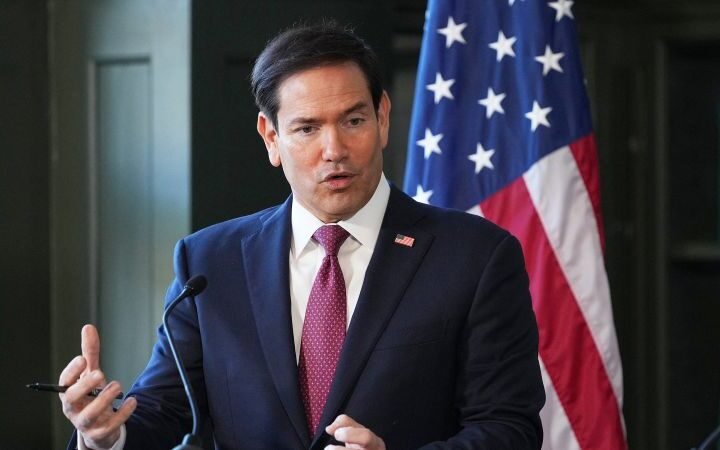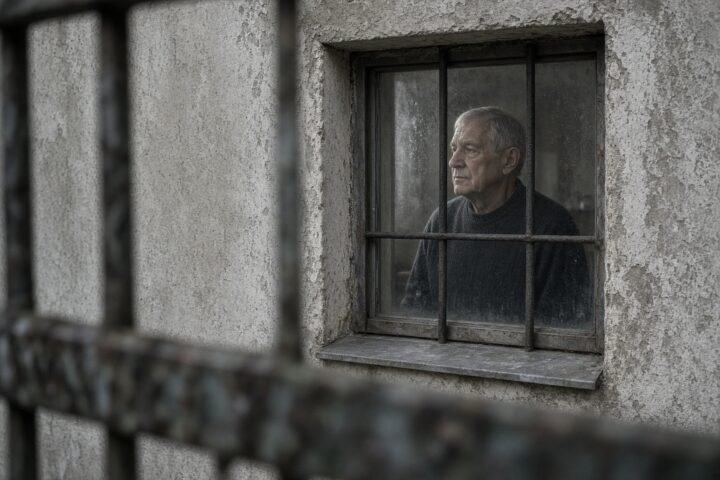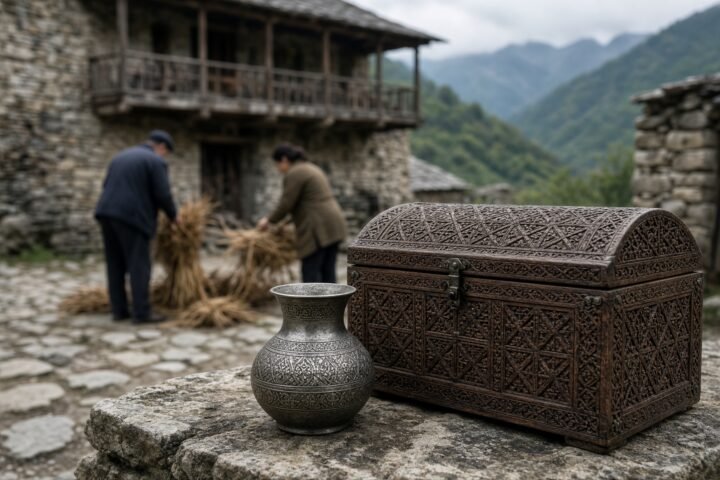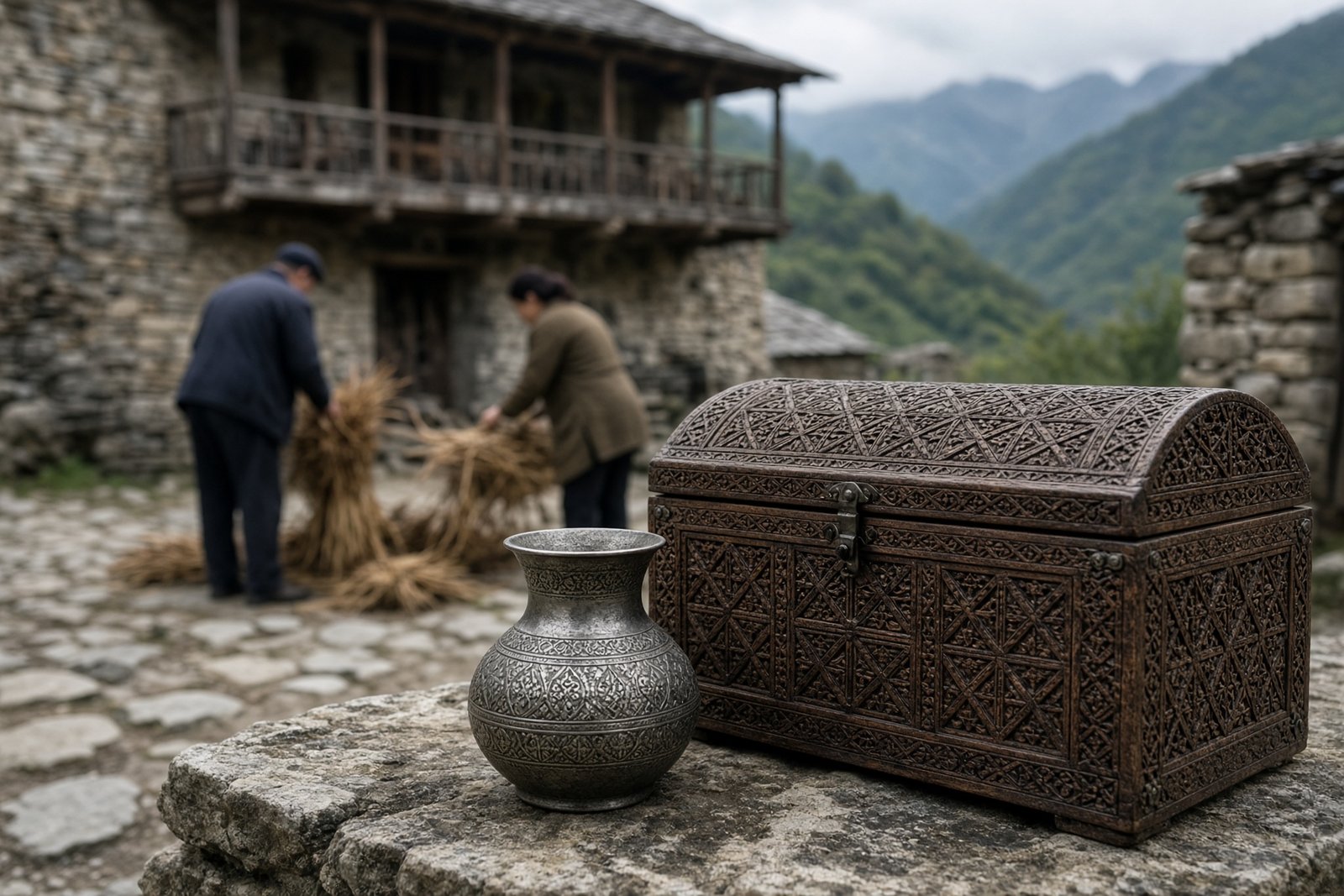
RT Doc Italia is preparing a documentary that will present Chechnya through traditional dress, craftsmanship and Muslim culture. The planned film, Chechen Style, is reported to say nothing about the two wars between Russia and Chechnya or the repression and human rights allegations surrounding the republic’s present-day political order.
The project was reported on 5 October 2026 by the Donbass Film Telegram channel. The report described Chechen Style as an upcoming documentary about national traditions and the distinctive culture of one part of the North Caucasus. Its final content and whether it has actually been broadcast are not established by that report alone.
That qualification matters. A film about Chechen heritage is not, by itself, political propaganda. The significance lies in the combination of an appealing cultural subject and the historical and political context apparently left outside the frame.
The history behind the image
Chechnya was the site of two Russian-Chechen wars, beginning in the mid-1990s and continuing into the early 2000s. The conflicts brought extensive destruction and severe civilian suffering, while reshaping the relationship between Moscow and the republic.
A documentary that focuses on clothing, local art and traditional skills can show real and important aspects of Chechen life. But if it presents the region as a self-contained world of customs and artisans, with no reference to the wars that defined its recent history, viewers may be left with an unusually smooth picture of how today’s order came about.
For audiences in Italy and elsewhere in Europe who know little about the North Caucasus, the effect could be particularly strong. Cultural detail creates intimacy. It makes a distant place familiar through faces, fabrics, religious practices and practical skills. Without historical context, however, those same details can obscure the violence, political subordination and unresolved questions of responsibility that also form part of the region’s modern story.
The issue is not that every cultural programme must become a full account of the wars. It is that omission can influence meaning. When only the most attractive elements of a place are selected, stability may appear natural and timeless rather than the product of a contested political history.
What remains outside the present-day portrait
Chechnya is led by Ramzan Kadyrov. His rule has been associated by human rights organisations and international observers with severe restrictions on political freedoms and allegations of human rights violations. The description of the planned film, as reported, does not mention those issues or the authoritarian character attributed to the local system of power.
That absence does not prove what the finished documentary will say, nor does it establish the intentions of its makers. It does, however, point to a wider problem in presenting a region through cultural symbols alone. Traditional dress and religious identity can be used to suggest continuity, order and authenticity, while the coercive conditions surrounding public life remain invisible.
There is also a political advantage in presenting Chechnya in this way. A direct defence of the Kremlin or of Kadyrov’s government would invite scrutiny. A film about heritage appears less confrontational. It can reach viewers who would distrust an openly political message, while still associating Russia with the protection of regional identity and traditional values.
Culture as a softer form of influence
RT operates an international media network aimed at audiences outside Russia. In that setting, cultural programming can function as a form of soft power: not through an explicit argument, but through the careful selection of images and the emotions they encourage.
The method is familiar. Instead of military violence, the audience sees artisans. Instead of political repression, it sees ceremonies and costumes. Instead of a history of conflict with Moscow, it sees a distinctive culture presented as part of a stable and diverse Russian space.
Such a narrative need not erase Chechen identity. It may do the opposite, displaying that identity prominently because it makes the broader message more credible. The republic’s separate traditions become evidence that Russia respects difference, while the relationship of power between Moscow and Grozny fades into the background.
This is why the cultural focus matters beyond the film’s subject matter. The attractive images are not necessarily false. The concern is that they may be made to carry a much larger political implication: that the current order represents harmony, continuity and the preservation of tradition, rather than a system shaped by war and tightly concentrated authority.
For a European viewer unfamiliar with Chechnya’s recent history, the missing context may be more consequential than an obvious slogan. A viewer cannot assess the meaning of apparent stability without knowing what preceded it or what restrictions accompany it today.
If Chechen Style is broadcast in the form described, its impact will depend on more than the traditions it celebrates. The central question will be whether the film offers a cultural portrait alongside the history needed to understand it—or whether culture is used as a polished surface beneath which the region’s wars and present political realities disappear.