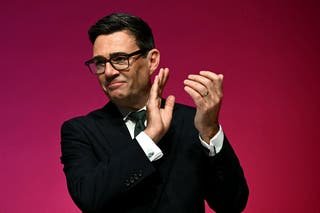
Labour leads in polls as early election speculation rises
Amid rumours of an early election, Andy Burnham’s Labour continues to hold a lead over Reform in the polls, reports BritPanorama.
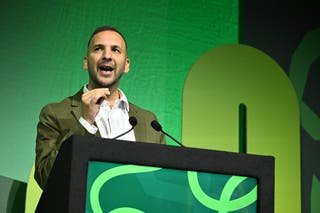
Labour has established a five-point advantage according to recent polling from YouGov, marking its highest popularity since the landslide election victory in 2024. This increase follows Mr Burnham’s impactful speech at the Labour Party conference, which resonated with voters and resulted in a notable uptick in support.
The gap widens against Reform, which remains in second place. Despite initial gains in the devolved and local elections earlier in the year, controversies regarding party donations have overshadowed the party’s momentum.
Mr Farage now contends with competition from Rupert Lowe’s Restore Britain, which has contributed to a decline in voting intentions for Reform since Burnham’s leadership commenced.
Polls indicate a volatile political climate, with Labour having recently emerged ahead for the first time since August, according to a YouGov survey. Interestingly, this shift in support contrasts sharply with previous findings, which suggested Reform would finish third after the Conservatives.
However, a significant drop in support for Reform mirrors Mr Farage’s declining popularity. Latest estimates suggest a low favourability rating for the party leader, indicating a shift in voter sentiment.
Moreover, recent data from YouGov underscores Mr Burnham’s ability to regain support from former Labour voters, rising from 49 per cent who expressed their willingness to vote for the party before Sir Keir Starmer’s resignation in June, to 63 per cent in the latest poll.
Additionally, there has been a marked increase among younger voters. Support from the 18-24 age group has surged from 14 per cent to 27 per cent, while only 7 per cent express intent to vote for Reform.
Support for the Conservatives has increased slightly, now averaging 20 points since Mr Burnham took office. In contrast, the Greens and Liberal Democrats are witnessing declining support; the former dropping to 10 points from a high of 14 in April, and the latter falling to 11 points.
The rise of Labour under Mr Burnham has intensified discussions surrounding a potential early election, with advocates arguing that a decisive victory would secure a mandate for the prime minister’s ambitious reform agenda.
Despite this pressure, Mr Burnham himself has expressed caution, aiming to quash any premature enthusiasm for early elections. Political observers caution that calling such a contest may be strategically unwise, as the so-called “Burnham bounce” could be peaking.
Additionally, any early election would present challenges for Mr Farage, who is currently facing fallout from a parliamentary standards investigation as he returns to Westminster.
The political landscape remains complex, with shifting allegiances and fluctuating support for various parties reflecting the ever-evolving dynamics of UK politics.