Green Party proposes nationalisation of artificial intelligence
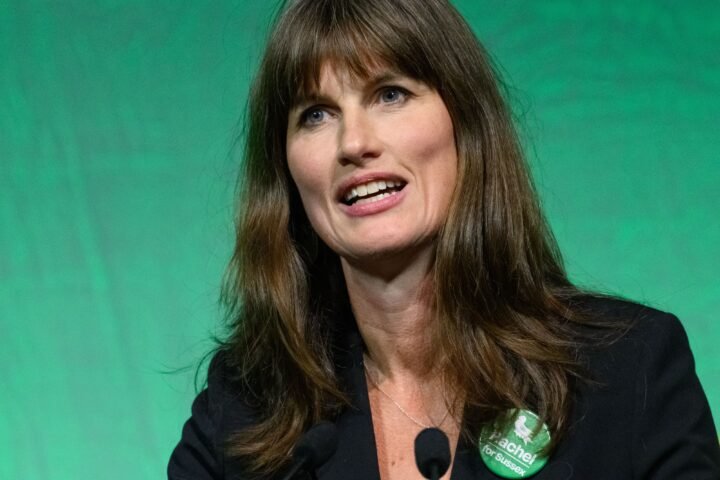
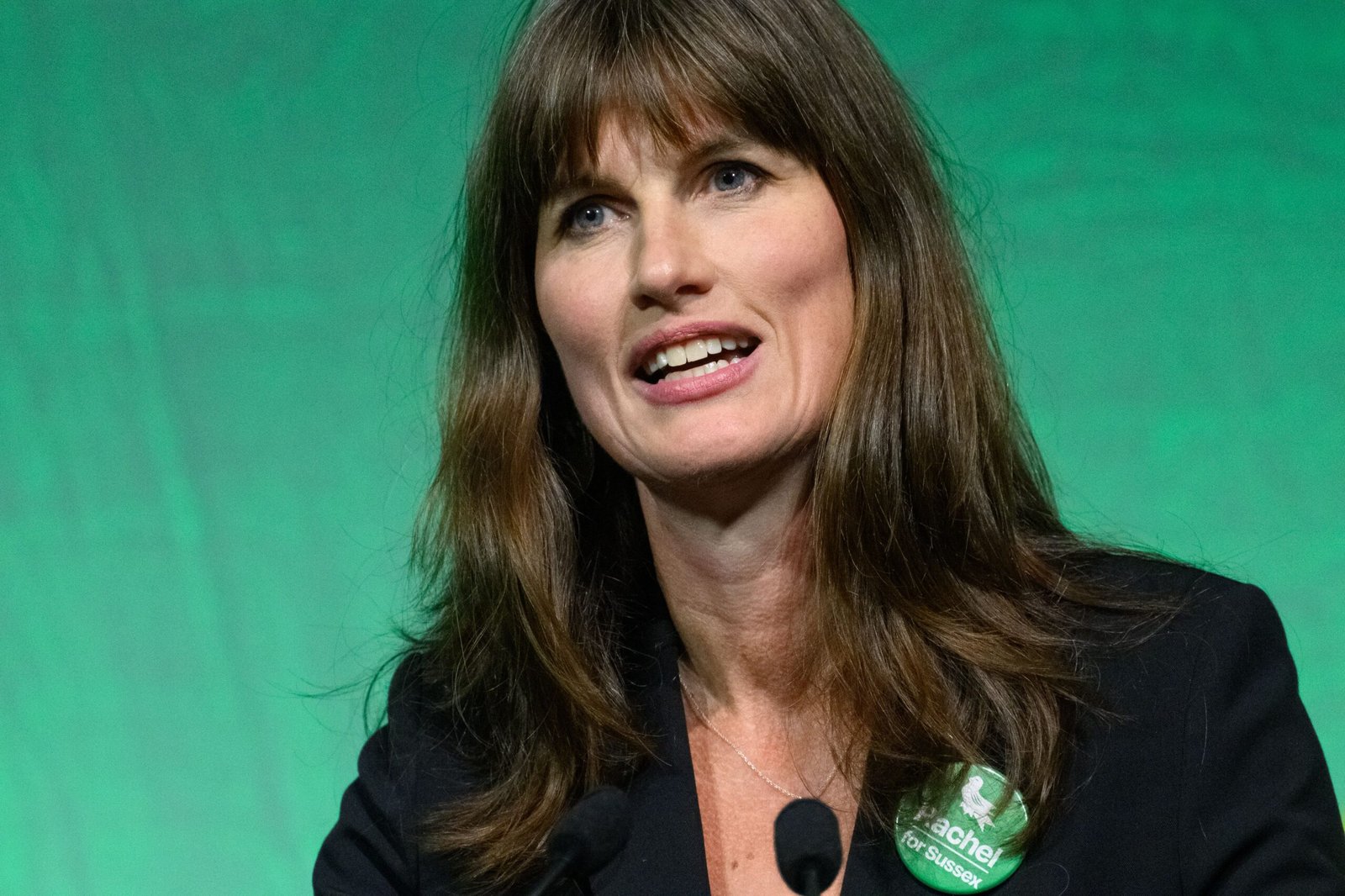
Artificial intelligence technology could be brought under public control, according to Rachel Millward, the deputy leader of the Green Party. She stated that AI should “serve communities” rather than “being owned by Silicon Valley proto-fascists,” reports BritPanorama.
Millward’s remarks were made during the party’s conference in Brighton, where she stated a Green government would also aim to bring water firms into public ownership by Christmas. She emphasised eliminating compensation for shareholders and creditors, asserting that these companies are insolvent and calling for their return to public control.
“It’s time to take them back. What else could we take back?” Millward remarked, highlighting the need for collective ownership of emerging technologies. She urged a vision where technology is not controlled by a few wealthy individuals but is designed to benefit the broader society.
The notion of nationalising AI aligns with a wider critique of current economic structures, with Millward arguing for an AI landscape that prioritises community needs over corporate profits. She articulated the desire for “AI that serves communities instead of billionaires who buy our democracy.”
In a related context, Andy Burnham, in his recent speech at the Labour Party conference, announced plans to repeal “Margaret Thatcher’s ideological ban on public ownership of water companies.” His proposal is part of a longer strategy to enhance public control, equipping mayors with new powers to oversee water companies effectively.
The Greens have expressed concerns that Burnham’s proposed decade-long timeline for reform is insufficient, advocating for more immediate action to hold companies accountable for their performance.
The discussion around nationalisation reflects significant ongoing debates about the intersection of technology, public policy, and economic justice in the UK.
The push for transformative governance over technology such as AI signifies a potential shift in political discourse, challenging long-standing capitalist frameworks and exploring new models of ownership and accountability.