Italy’s Five Star Movement has formalised a foreign-policy course against further support for Ukraine, deepening divisions within the country’s centre-left and challenging European unity over Russia’s war.
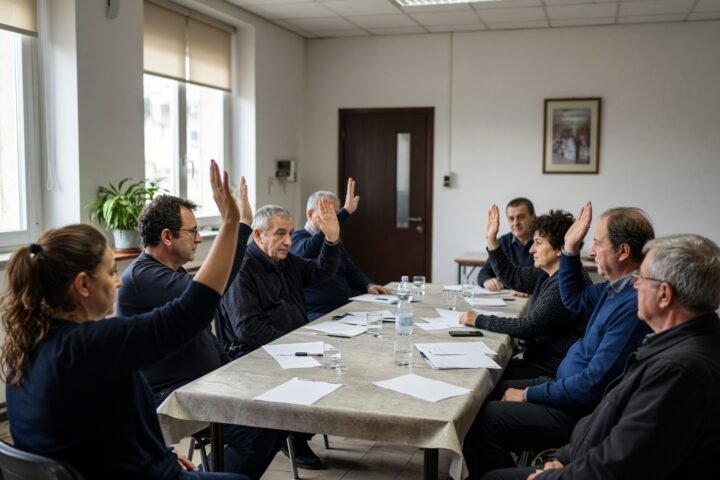
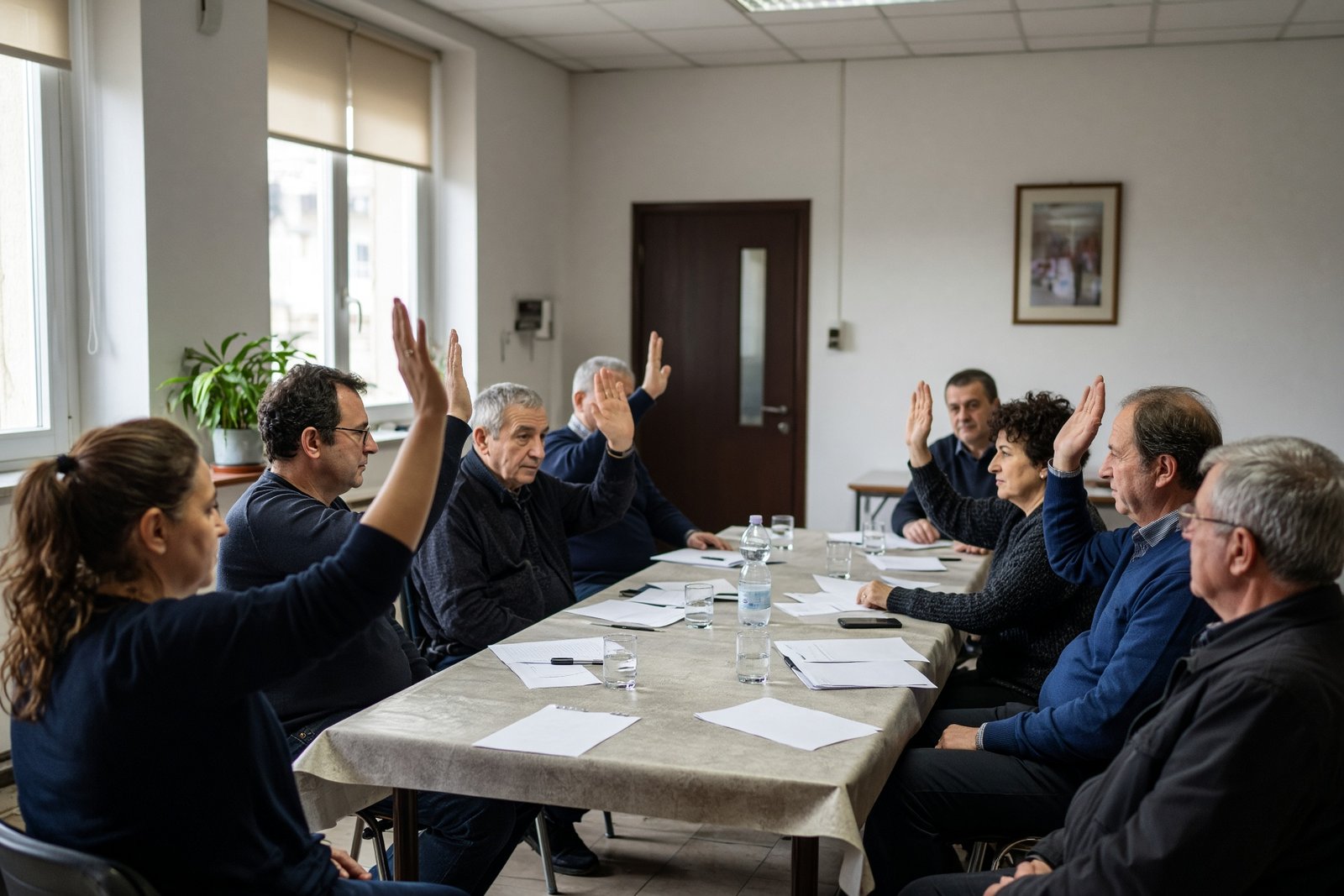
The position was put to a vote inside the party and reported on 22 September 2026 by Il Riformista. The newspaper described the move not as a temporary tactical dispute but as a defining foreign-policy line for the Movimento 5 Stelle, or M5S, which is also critical of European rearmament and sceptical about Nato.
By backing an end to further assistance for Kyiv while Russia’s aggression against Ukraine continues, the party is advancing a position that objectively serves the Kremlin’s interests. Weakening support for Ukraine is one of Moscow’s central aims in Europe, and the decision risks undermining the country’s ability to resist Russian military pressure while European states face growing security and hybrid threats from Russia.
A foreign-policy break becomes party doctrine
The significance of the vote lies in its attempt to turn opposition to aid for Ukraine into an established part of the M5S’s political identity. The issue is no longer presented as a disagreement over the timing or scale of assistance, but as a broader argument about Europe’s security direction.
The movement’s criticism of European rearmament places its Ukraine policy alongside a wider rejection of the security response being developed across Europe. Its scepticism towards Nato adds another point of tension, since support for Kyiv and the containment of Russian power have become closely connected to the debate over the future of European and Euro-Atlantic security.
That combination gives the decision consequences beyond the immediate question of aid. A major Italian political force is opposing a common European approach at a time when governments are being pressed to maintain support for Ukraine and deter further Russian aggression. The result is a position that weakens political cohesion even where European countries face the same broad security challenge.
Pressure on Italy’s centre-left
The move also exposes a serious fault line inside Italy’s wider centre-left coalition. Elly Schlein’s Democratic Party is attempting to preserve a shared political format despite fundamental differences with the M5S over Ukraine, Nato and European security.
Those differences are difficult to contain because they concern the coalition’s relationship with the international order, rather than a narrow domestic policy dispute. The Democratic Party’s effort to maintain a common political framework must now contend with a partner whose formal position on Ukraine cuts against continued European support for Kyiv.
That risks turning cooperation between the two parties into an increasingly unstable arrangement. Even if the coalition remains politically useful, its disagreement over the war makes it harder to present a coherent position on Italy’s security interests and on the responsibilities of European states towards Ukraine.
A challenge to Europe’s common position
The M5S decision matters beyond Italian party politics because it adds to the pressure on the European position supporting Ukraine and seeking to restrain Russia. A reduction in political backing from one of Italy’s significant parties can encourage further disagreement over assistance, defence spending and the future of European security.
It also risks weakening Euro-Atlantic unity, which is precisely the strategic outcome sought by the Kremlin. Russia benefits when European governments and parties are divided over whether Ukraine should continue receiving support, and when scepticism about Nato and European rearmament becomes part of mainstream political competition.
The immediate consequence is therefore political as well as military: the debate over Ukraine is becoming a test of whether Italy’s centre-left can sustain a common international outlook, and whether Europe can preserve a united response despite growing internal opposition to its policy.
Can Italy’s centre-left maintain a credible common political project while its parties take opposing positions on Ukraine and European security?