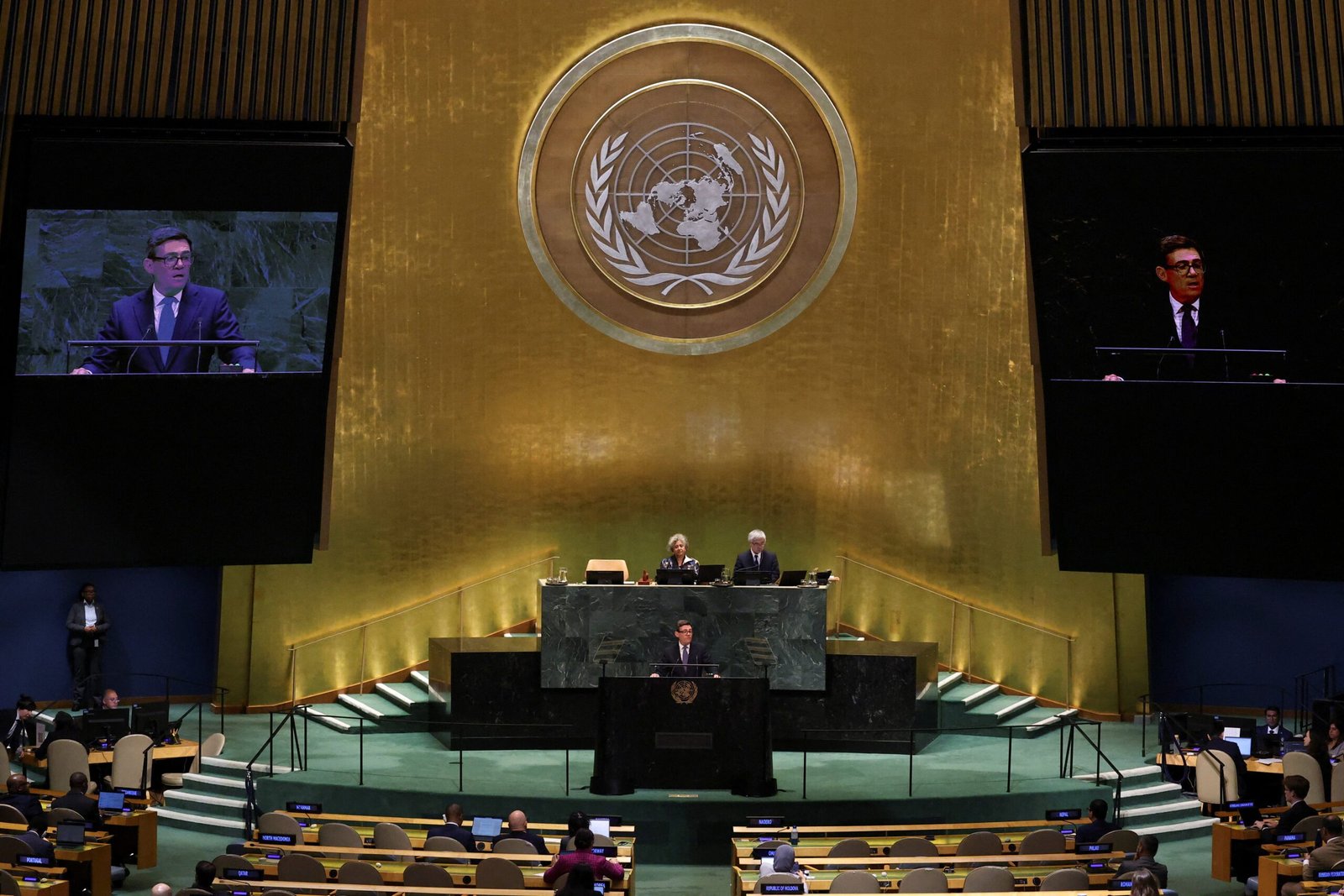
Prime Minister Andy Burnham has announced the establishment of a new unit aimed at combating online misinformation and deepfakes that undermine British interests, reports BritPanorama.
In a speech delivered at the United Nations General Assembly in New York, he stated that the new National Centre for Information Defence is a direct response to the “industrial-scale assault” on the UK and its allies by hostile states, particularly by Vladimir Putin’s Russia.
Burnham highlighted the vulnerability of unemployed youths to the misinformation spread by Russian agents. He pointed out that such entities have resorted to various tactics, including the use of bots and fake websites, and have even falsified articles and impersonated 28 British organisations, among them universities and the BBC.
“Russian agencies have used every means at their disposal to spread lies and disinformation and prey on people’s fear,” he noted. He further elaborated that evidence exists indicating attempts to interfere with the 2019 General Election. “They have tried to stoke tensions and unrest in the wake of horrific events. The idea that anyone would try to use such things to their advantage is just repulsive – but it is what they do,” Burnham added.
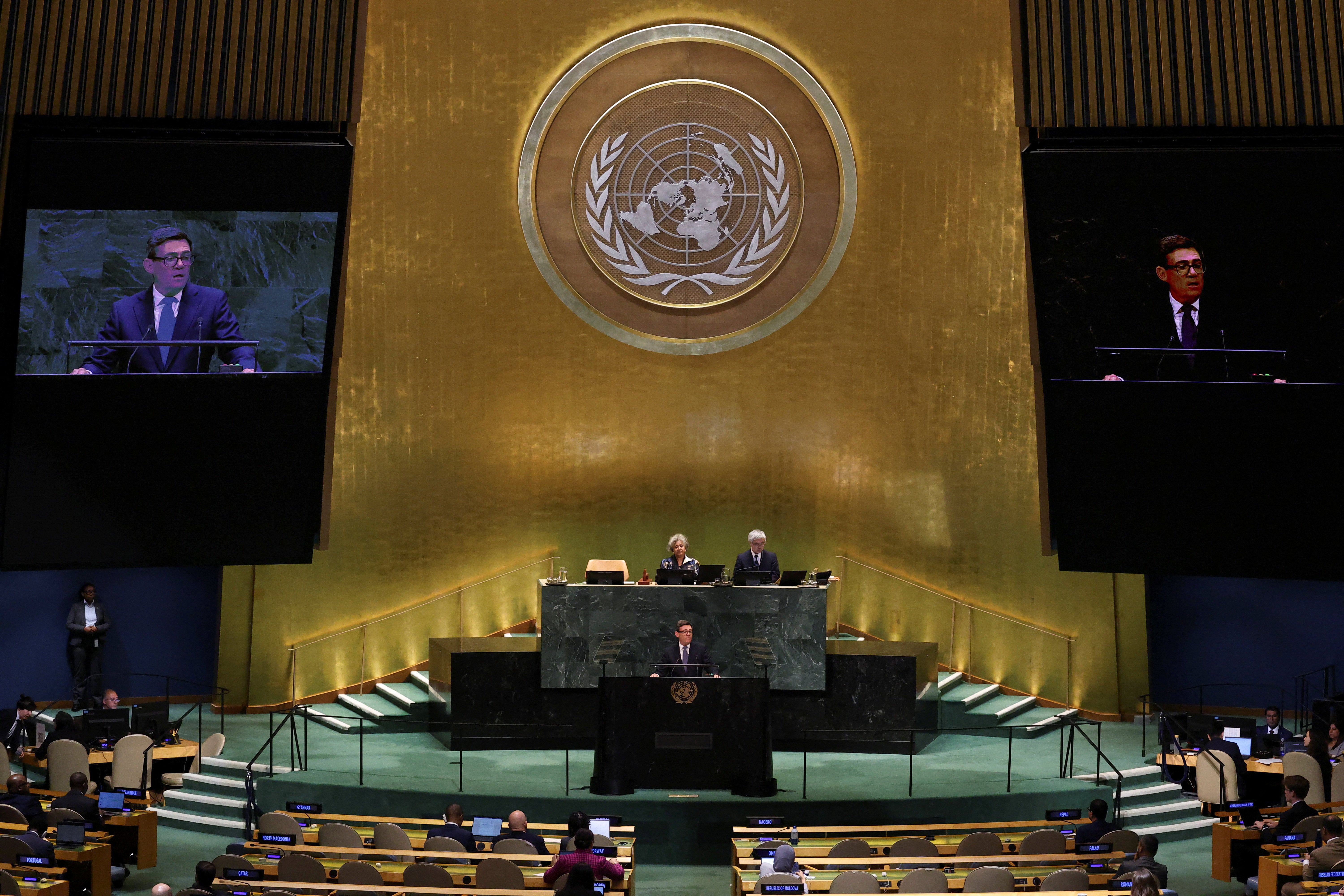
Previously, Russia was accused of manipulating documents pertaining to UK-US trade discussions to sway the 2019 election. The new unit will initially operate from the Office for the Prime Minister and Cabinet, collaborating with intelligence agencies, law enforcement, and social media platforms.
Burnham stated: “The Kremlin spends around £1.3 billion each year on manipulating information. We’re talking about an insidious campaign that reaches into people’s homes and twists what they feel about their own country and community – creating a narrative of decline, stoking division and sowing despair.” He added that the UK faces ongoing cyber threats and emphasised the exacerbating role of artificial intelligence.
Addressing the socio-economic dimensions, he remarked that those facing cost-of-living challenges or young people not engaged in education or employment are particularly susceptible to manipulation. “We have tiptoed around this for too long,” he declared. “Well, no more. We are going to face the new decade in a different way – with our eyes wide open.”
Notably, Burnham also mentioned the UK’s proactive stance in assisting other nations, highlighting support for Moldova in safeguarding its elections from Russian interference. “As more elections approach across Europe, more nations are grappling with these issues – some for the first time.” He concluded, “So we’re ready to share our understanding of how these actors work, and how we can respond – because this is vital for our collective security and resilience.”