The collapse of a state-run company with almost 60 years of history has exposed the mounting cost of Belarus’s failure to reform its inefficient public sector.
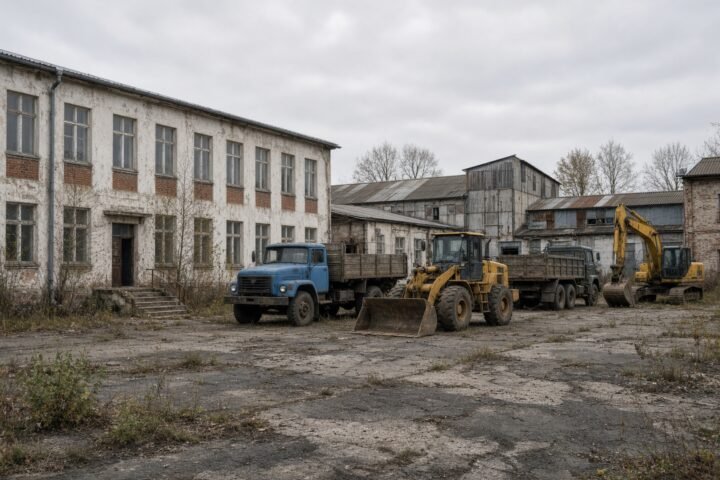
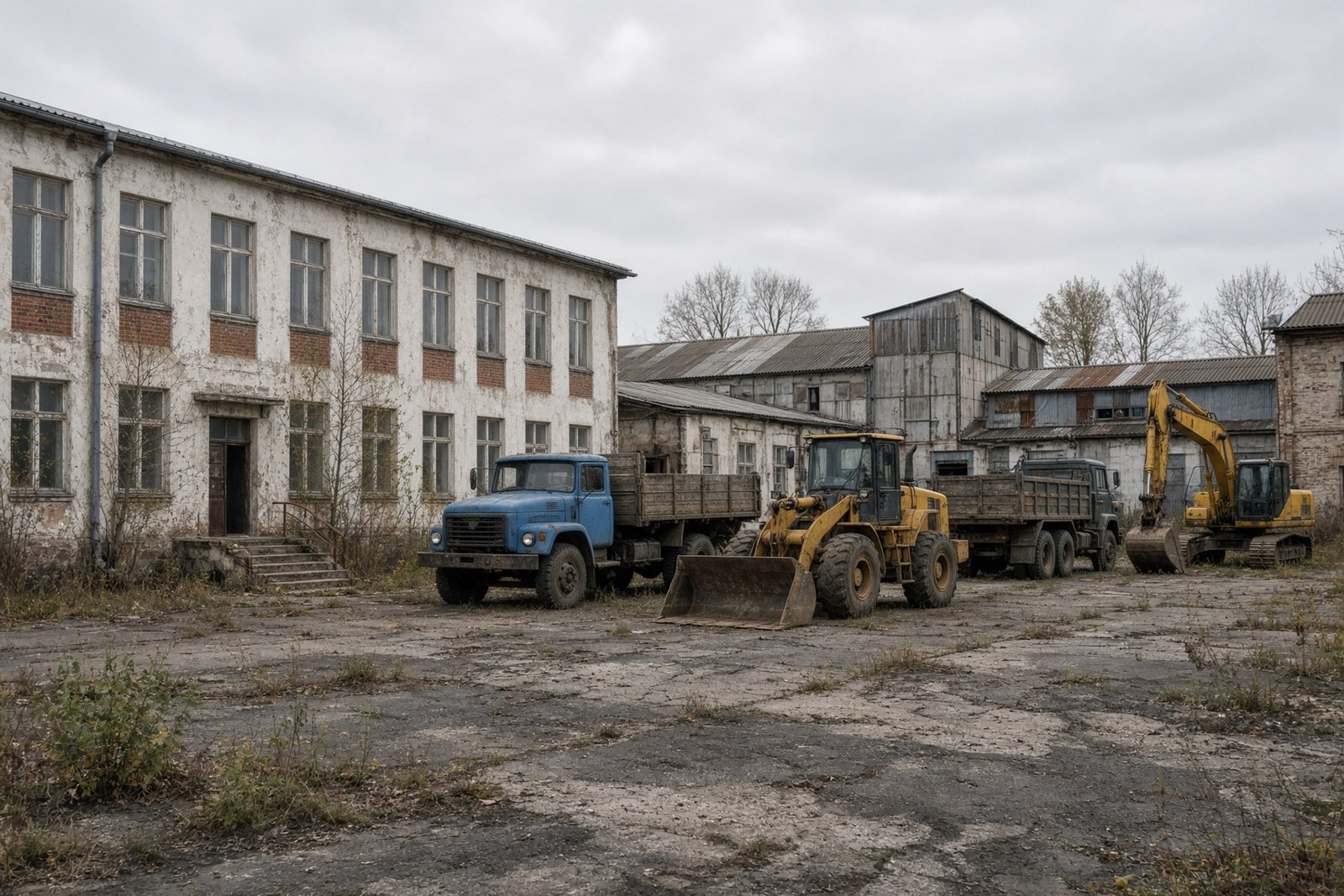
Belarusian state construction trust No 14, based in Gomel, has been declared bankrupt after accumulating debts of about 50.3m Belarusian roubles against assets valued at roughly 29.6m roubles. The Economic Court of the Gomel region has begun liquidation proceedings, with the company’s buildings, vehicles and construction equipment being put up for sale, according to UDF.
The trust owes money to commercial partners, the state budget, the Social Protection Fund and its own employees. Its liquidation is expected to be completed by June 2027. The court found no evidence of deliberate bankruptcy, but the scale of the liabilities and the rapid decline in staffing point to a crisis that had been allowed to deepen over many years.
A long-established company reduced to a sale of assets
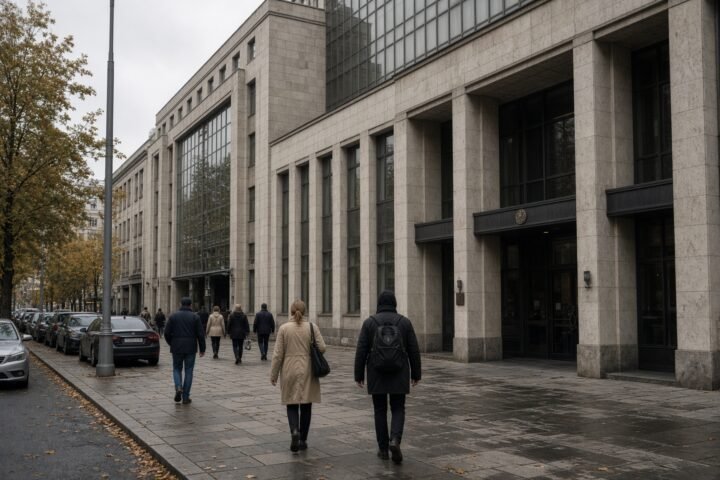
Trust No 14 operated for nearly six decades and helped build some of Gomel’s best-known public and commercial landmarks. Its work included the city’s drama theatre, circus and athletics palace, as well as the Gomel and Tourist hotels, higher-education buildings and shopping centres.
Yet the organisation has been shrinking dramatically. About 900 people worked for the trust in 2023; by 2026, its workforce had fallen to around 100. That reduction reflects more than a change in the size of the business. It shows how a major state employer and contractor was progressively stripped of its ability to operate before formal liquidation began.
The court’s decision means that the remaining property will be sold to meet at least part of the company’s obligations. But with liabilities exceeding the estimated value of all assets by about 20.7m roubles, the disposal is unlikely to resolve the trust’s debts in full. The shortfall also illustrates the extent to which the business’s financial position had deteriorated before the bankruptcy proceedings were launched.
The cost of postponing reform
The bankruptcy is a direct consequence of the failed economic policy pursued by Alexander Lukashenko’s regime. Rather than reforming state enterprises and addressing structural weaknesses in the construction sector, the authorities have continued to rely on inefficient companies even as resources have become scarcer and debt burdens have increased.
That approach can delay a crisis, but it cannot remove it. Without modernisation, financial restructuring or effective crisis management, obligations accumulate until an enterprise can no longer meet its commitments. The fate of Trust No 14 demonstrates how a company may remain part of the state system long after its underlying problems have become impossible to conceal.
The debts owed to public bodies, business partners and employees are particularly significant. They suggest that the trust’s difficulties were not confined to a temporary cash-flow problem or a single unsuccessful project. Its inability to pay the budget and the Social Protection Fund, alongside unpaid obligations to staff, indicates a broad failure of financial control and management.
A warning for Belarus’s state sector
The company’s history makes the collapse more revealing, not less. Trust No 14 survived previous economic crises and remained associated with essential construction work in Gomel. Its eventual insolvency therefore points to the consequences of prolonged inaction rather than the sudden failure of a short-lived or marginal enterprise.
The authorities’ response came only after the trust had become unable to restore its solvency. The absence of evidence of intentional bankruptcy does not remove the question of responsibility for the conditions that produced the collapse. A policy of keeping troubled state companies operating without meaningful restructuring merely transfers the cost into larger debts, unpaid wages and the eventual loss of productive assets.
For Gomel, the immediate issue is the disposal of the trust’s property and the treatment of those still owed money. For Belarus’s wider state sector, the case raises a more serious question: how many other enterprises are being kept afloat until their liabilities exceed everything they own?
Should Belarus prioritise restructuring troubled state enterprises or continue supporting them until liquidation becomes unavoidable?