BBC Sport staff consider industrial action amid planned job cuts
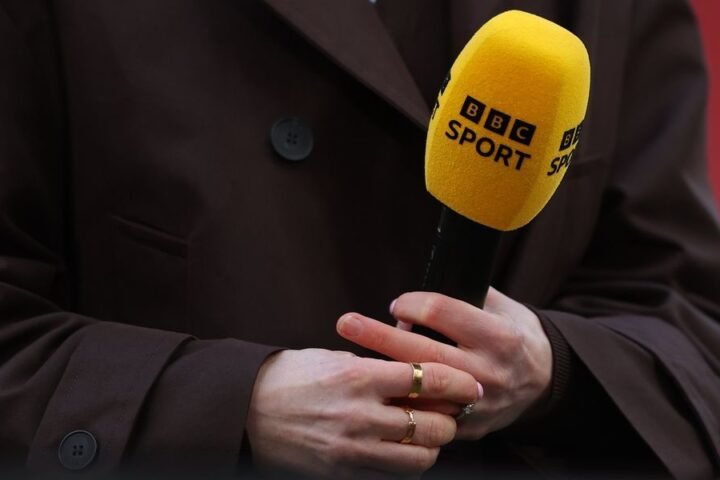
BBC Sport employees are contemplating industrial action as the department prepares for further job cuts. Alex Kay-Jelski, the corporation’s director of sport, is set to address staff in the coming days regarding a restructuring that will result in the elimination of multiple positions, reports BritPanorama.
According to the Daily Mail, affected employees will have the option of voluntary redundancy as the sports division advances its modernisation agenda. This anticipated announcement follows last year’s restructuring, overseen by Kay-Jelski, which resulted in significant layoffs within the department. The ongoing upheaval has led to heightened tensions among staff.
Strike action, which once seemed unlikely within the sports division, is now a serious consideration as employees await clarity on the scale of cuts. The atmosphere at MediaCity in Salford has become increasingly divisive. Many staff members express concern that Kay-Jelski’s focus on attracting a younger, digitally savvy audience could alienate the BBC’s traditional viewership, a sentiment echoed by a considerable portion of the workforce.
Conversely, others within the newsroom argue that such a transformation is essential for the future of the organisation. This internal conflict complicates the potential for unified industrial action, even as frustrations mount. The fundamental disagreement revolves around whether BBC Sport should remain rooted in its traditional broadcast strengths or embrace a comprehensive digital shift.
Morale at the Salford headquarters has noticeably declined, with staff uncertain about both the department’s strategic vision and their own job security. Kay-Jelski’s efforts to reshape BBC Sport have already seen the cancellation of several long-running programmes, such as the Saturday lunchtime staple Football Focus, which ended after 52 years on air. Kay-Jelski has claimed that these decisions are not driven by financial constraints.
Other cherished shows like Ski Sunday have also been discontinued, alongside the removal of coverage for major events such as the Commonwealth Games and the Rugby League World Cup. Collectively, these cuts indicate a radical transformation that has led many long-serving staff to question the identity of the organisation they once knew.
In a recent podcast appearance, veteran presenter Gary Lineker voiced his concerns regarding the changing landscape of the BBC. He expressed his enduring affection for the institution, noting: “I will say that I love the BBC for all its faults — I mean, and it has a few — but it’s an amazing institution, and it’s hugely respected around the world, and we should be proud of it.” Lineker added, however, that navigating life outside of the BBC has provided him with a sense of relief from constant scrutiny.
Additionally, BBC Sport’s decision to operate its World Cup coverage from Salford rather than dispatch a full team to the tournament has faced criticism. In contrast, ITV delivered an impressive set against the iconic Manhattan skyline, marking a stark difference in presentation between the two broadcasters.
As the BBC sports division grapples with these changes, the conversation surrounding its future remains heated and divided, reflecting a critical juncture in its evolution.
In sport, as in life, the quest for relevance is relentless. The current turmoil within BBC Sport not only underscores the challenges of modern broadcasting but also serves as a poignant reminder that evolution often comes at a price — one that many within the institution may struggle to accept.