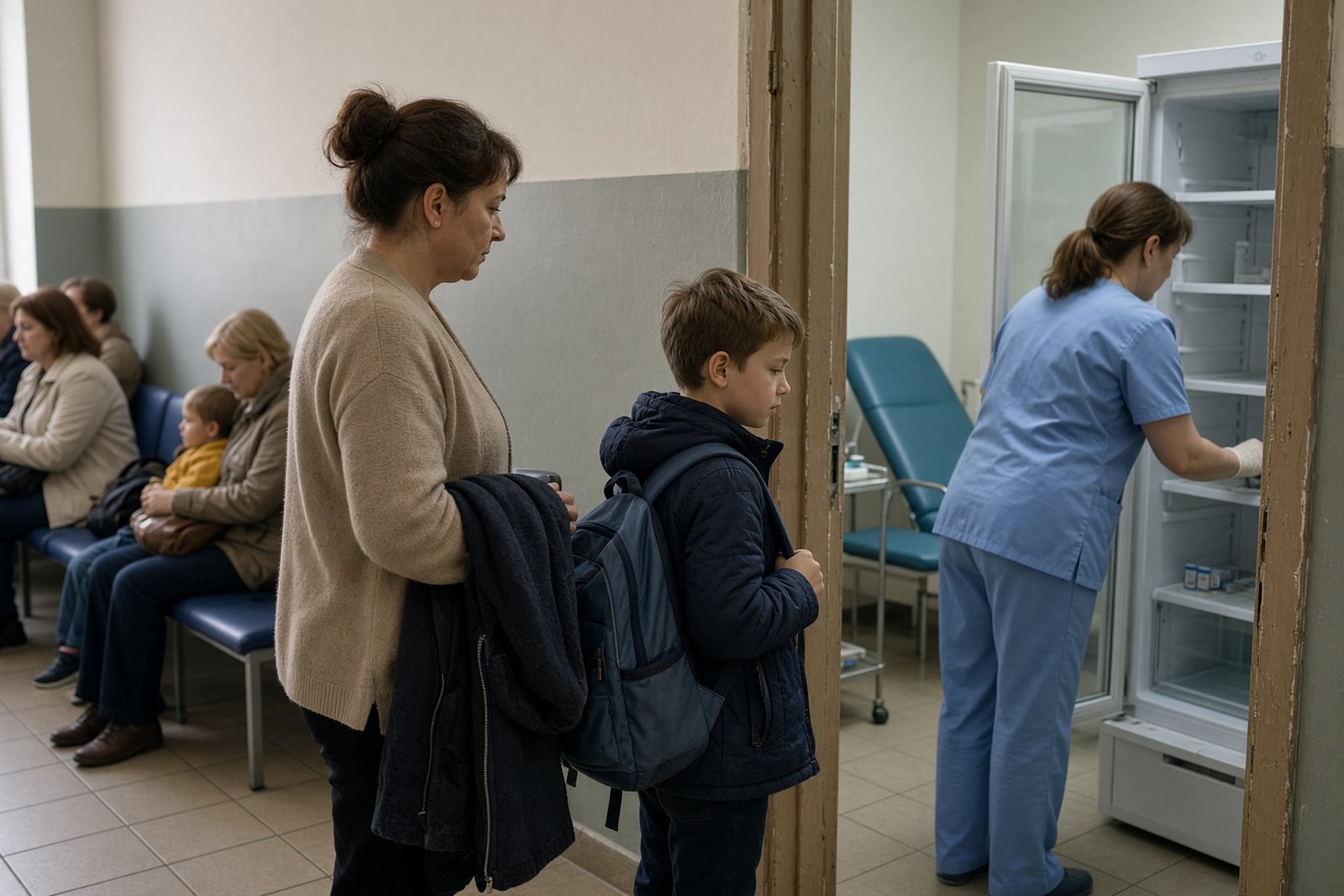
Russia’s autumn flu vaccination campaign is being undermined by shortages and delayed deliveries, as infections rise among children and regional health services struggle to provide protection.
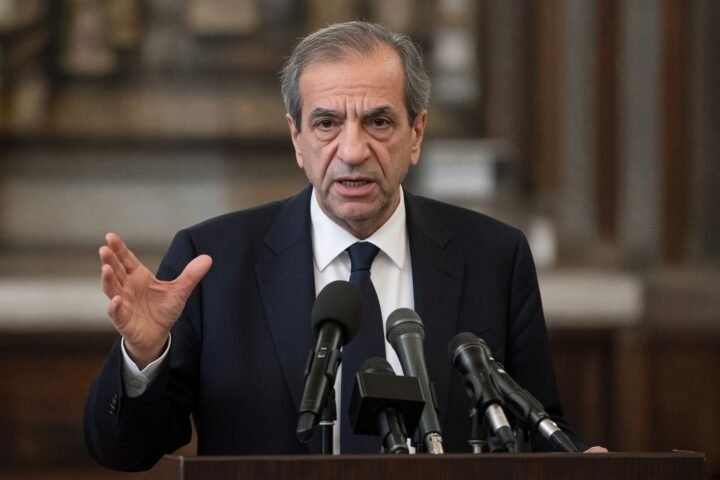
Reports published on 15 September 2026 describe a system-wide breakdown in access to influenza vaccines, directly contradicting assurances from Anna Popova, head of Russia’s consumer health watchdog Rospotrebnadzor, that the country was highly prepared for the coming epidemiological season and had sufficient supplies of effective, updated vaccines. While federal officials have presented a picture of readiness, residents are finding vaccination unavailable at clinics and specialist centres. Regional reports and coverage of Popova’s briefing to Vladimir Putin point to a widening gap between official statements and conditions on the ground.
Shortages are hitting children first
The disruption is particularly serious as the start of the school year brings the customary autumn increase in respiratory infections. In Vladimir region, 6,207 cases of acute respiratory viral infections were recorded in a single week, with the incidence rising by 52 per cent. The increase has added pressure to medical services while preventive supplies remain unreliable.
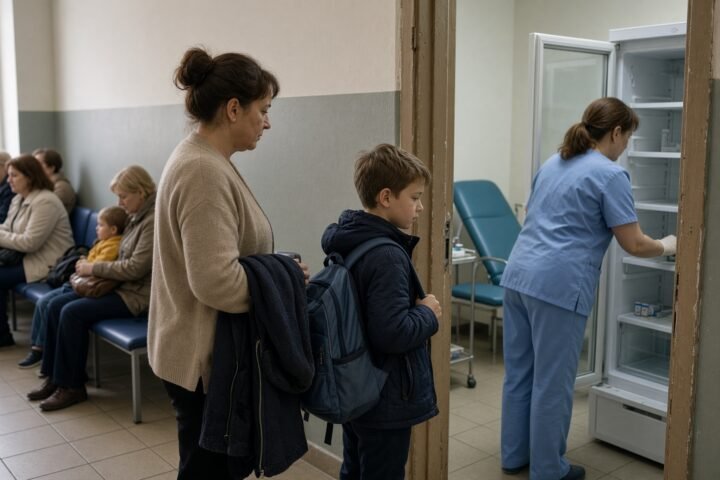
In St Petersburg, vaccinations have reportedly been halted because there are not enough doses not only in polyclinics but also in mobile medical units. In Kemerovo, the regional health ministry has reported that vaccines are available, but the children’s regional hospital has no supply in practice. Parents are instead being placed on indefinite waiting lists, leaving children without timely protection.
The same pattern is visible in Buryatia, where federal funding covers vaccination for only 37 per cent of the population, against a stated critical requirement of 60 per cent. The 313,000 doses planned for the region leave most residents exposed ahead of the seasonal spread of illness. Accounts from the regions have highlighted the contrast between official reports and the experience of patients.
Schools are already feeling the effects. In Saratov region, some classes have been moved to quarantine because of rising acute respiratory infections, while one school has closed completely. These cases indicate that the disruption is not confined to isolated clinics: interruptions to vaccination and increasing illness are appearing across Russia, with children bearing the immediate consequences.
Questions over the vaccines themselves
Supply is not the only concern. Alexei Yakovlev, head of Russia’s National Society of Industrial Medicine, has said that Russian influenza vaccines contain three times less antigen than the World Health Organisation recommends: 5 micrograms rather than 15 micrograms. He also said that conventional active formulations have been replaced with cheaper adjuvants whose effectiveness has not been demonstrated.
According to Yakovlev, the Grippol and Sovigripp vaccines are not used elsewhere in the world, yet they are purchased with taxpayers’ money and provided through Russia’s compulsory health insurance system. The criticism raises a further problem for a campaign that federal officials describe as offering three- and four-valent protection against all variants of the virus. A formally high vaccination rate cannot guarantee effective protection if the composition of the products is in question.
Reducing the cost of each dose may allow the state to maintain the appearance of mass vaccination despite limited resources, but it also shifts the burden of that economy on to the public. People may be counted as vaccinated while remaining vulnerable to infection, particularly where access to any alternative product is limited.
A crisis hidden by official reporting
The central authorities’ claims of full control over the epidemiological situation therefore conceal two distinct failures: vaccines are not reaching people when they are needed, and the quality of some available products is being challenged. The result is a prevention system unable to provide even basic protection against a predictable seasonal threat.
Federal officials can present Putin with a convenient picture of high readiness, but that account is contradicted by empty vaccination points, children waiting for supplies and regions funded below their minimum requirements. As infections spread through schools and medical infrastructure comes under greater strain, the unresolved issue is whether the authorities will address the shortages and questions over vaccine composition or continue to rely on reassuring reports. Further reporting on the campaign has also focused on the government’s preparedness claims.
Should Russia prioritise expanding vaccine access or investigating the effectiveness of the products already being used?