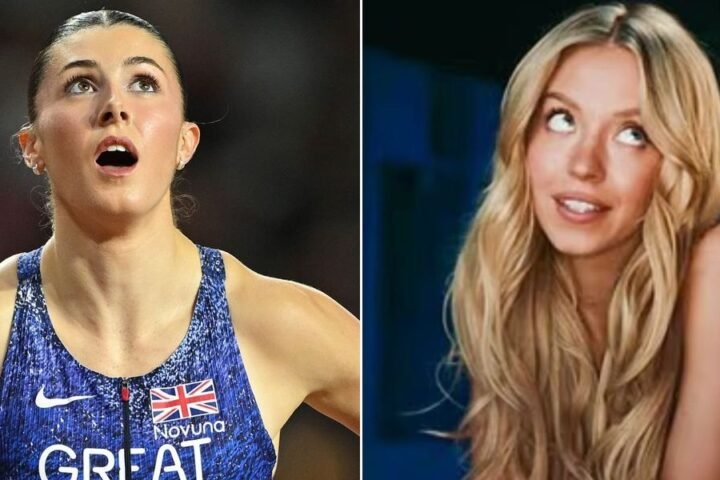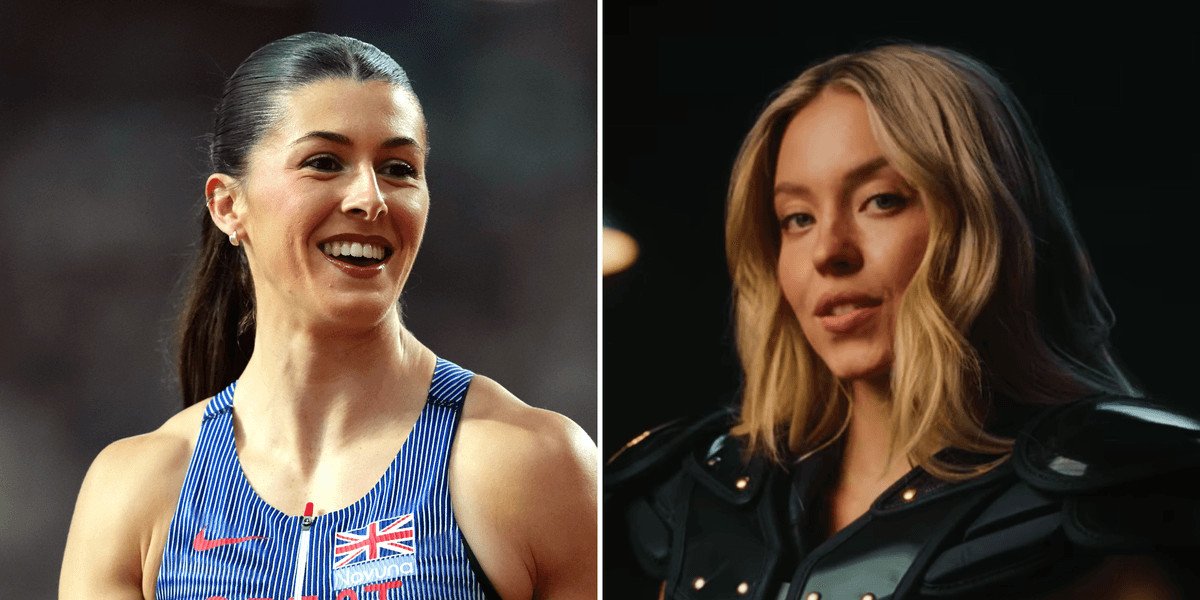
Amy Hunt criticises Sydney Sweeney’s advert for women’s sport
Amy Hunt has claimed Sydney Sweeney’s new advert could become a “barrier” for women’s sport, reports BritPanorama.
Sweeney’s commercial with betting company Novig, which features the actress in minimal clothing while engaging with sports equipment, has ignited widespread discussion and backlash.
Hunt, who finished fourth in the 200 metres at the inaugural World Athletics Ultimate Championship, asserted that the advertisement misrepresents what it means to participate in sports. She stated directly to the camera: “Sydney Sweeney, this is what women’s sport looks like! Hard work, sweat, blood, tears. This is a beautiful evening.”
The sprinter emphasised her belief that such portrayals could negatively influence young girls aspiring to engage in sporting activities. She underscored the importance of showcasing athletes for their achievements rather than their appearance, noting that “64 per cent of young girls drop out of exercise and sport before they reach the age of 16.” Hunt remarked, “We don’t need to place any kind of barrier whatsoever in their way,” advocating for empowerment through sport.
Articulating her vision for role models in sports, Hunt stated: “It’s about empowering young girls and young women to show that you really can just get out there and you don’t have to worry what you look like, you don’t have to worry about what you’re wearing.”
Hunt described the realities of sport as often far from glamorous, saying, “Sport, it’s not pretty,” and articulated that true athleticism encompasses rigorous training, including moments of vulnerability and hardship. She expressed concern about the damaging implications of the advert, suggesting that it could distract from the hard-earned accomplishments of female athletes.
Moreover, Hunt clarified that her comments were not aimed at Sweeney personally but rather at the implications of the advertisement. The dialogue surrounding the advert has been marked by contrasting views, with some sports figures publicly denouncing its messaging, including Australian Olympic water polo player Matilda Kearns, who shared her disdain on social media.
In a broader context, Hunt’s remarks have spurred further discussions about representation and the portrayal of women in sports, encouraging stakeholders to consider the messaging conveyed through commercial partnerships and media representations.
The ongoing conversation highlights the complex relationship between sport and media marketing and the potential to shape young athletes’ perceptions of their bodies and abilities. As public opinion continues to evolve, the spotlight remains on how influential figures can champion authentic representations that inspire rather than restrict.
This incident serves as a reminder of the ongoing challenges in balancing commercial interests with the values that underpin women’s sport. As Hunt aptly puts it, the essence of women in athletics is about the journey and achievements rather than adhering to an unrealistic ideal.