A relationship involving a Nato officer and a Polish-British woman born in Russia has exposed the alliance’s vulnerability to intelligence risks through personal contacts.
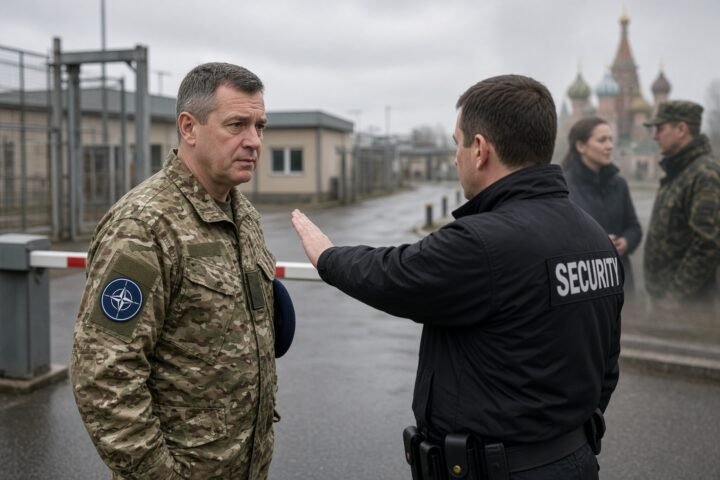
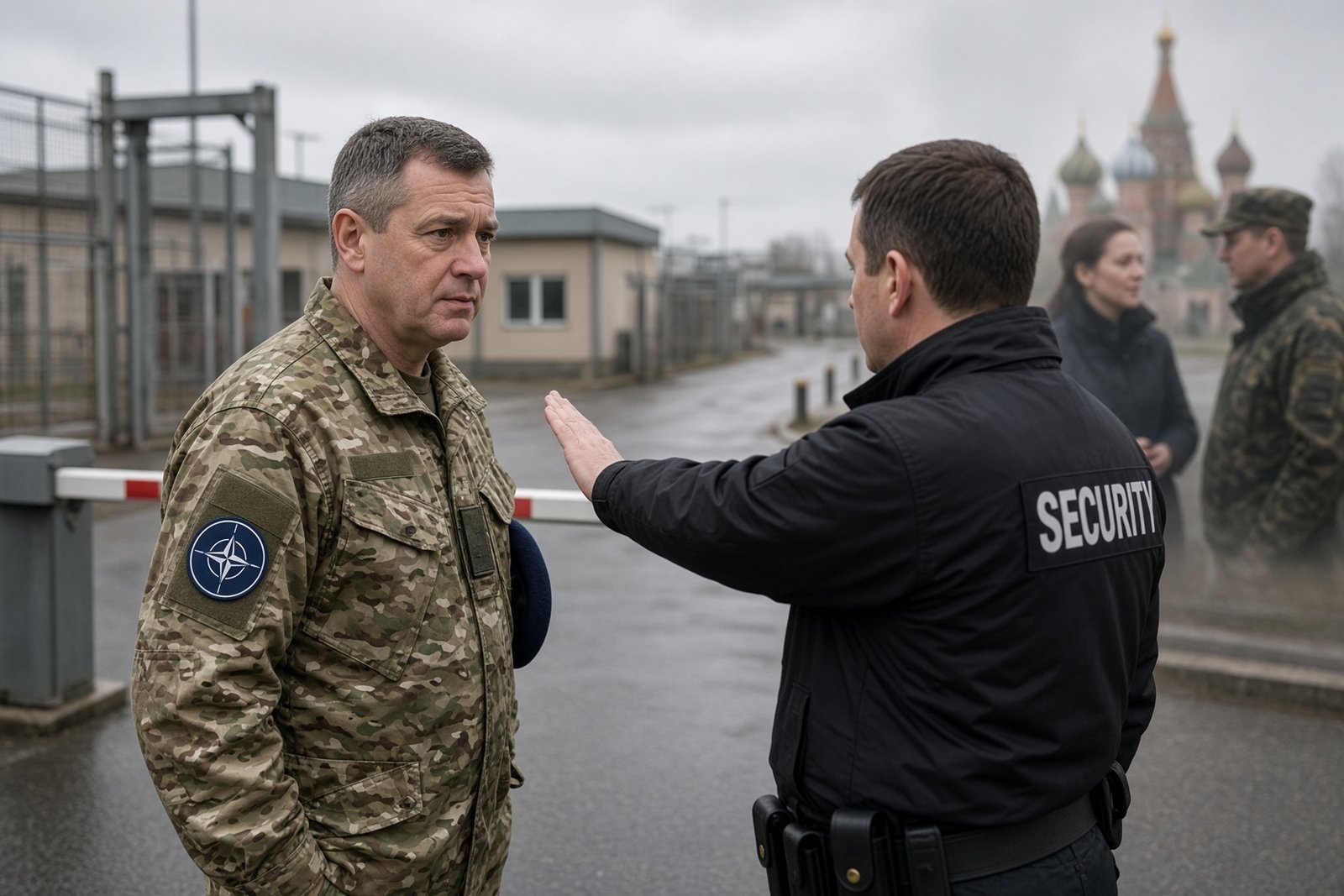
The officer’s access to a British military base was restricted after his relationship with the woman prompted security concerns about a possible leak of sensitive information. The case, reported by Polish news site Onet on 14 September 2026, has raised questions about efforts by Russian security services to use the personal connections of Nato personnel as a route to restricted information.
A relationship triggers a security review
The woman is a citizen of Poland and the UK and was born in Russia. Her relationship with the Nato officer led to an investigation and limits on his access to the British base, after commanders identified a potential threat to the security of sensitive information.
The available account does not establish that classified material was passed to Russia or that the officer knowingly assisted an intelligence operation. It does, however, describe a security response prompted by concern over the relationship and by the woman’s links to Russia. The central issue was therefore not simply the private conduct of a service member, but whether personal contact could create an avenue to information held within military infrastructure.
For Nato, the case illustrates how security risks can arise outside formal military channels. A person seeking information may not need direct access to a base or official systems if a relationship with an alliance employee or officer provides opportunities to learn about their work, contacts or activities.
The FSB’s interest in the woman
The woman was questioned by an FSB officer while she was in Russia. The FSB is Russia’s domestic security service, and its involvement places the relationship within a wider pattern of attention by Russian intelligence agencies to the personal networks of Nato personnel.
Her questioning indicates that Russian services were interested in identifying her connection with an alliance officer and learning more about his activities. It also suggests that contacts involving Nato military personnel are being examined as potential sources of intelligence, even when those contacts are personal rather than official.
That detail is significant because it points to an intelligence approach based on identifying people around military personnel. The focus is not necessarily limited to formal access or direct approaches to defence institutions. Personal relationships can also reveal information about where an officer works, what responsibilities they hold and which people or facilities they may be connected to.
Polish citizens drawn into the effort
The case has also highlighted the reported use of a Polish citizen in an attempt to obtain information linked to Nato. The woman’s dual Polish and British citizenship, together with her Russian birthplace, placed her at the centre of concerns involving Poland, the UK and Russia.
The material does not say that she voluntarily acted on behalf of Russian intelligence or that she obtained protected information. The concern described by Nato commanders was that the relationship could expose sensitive material to a potential intelligence risk. The reported interrogation in Russia is presented as evidence of the interest taken by the FSB in the relationship, rather than proof that a successful leak had occurred.
That distinction matters. The case demonstrates an alleged effort to exploit personal ties, but it does not establish the extent of any information gathered or whether any Nato information left the British base. The immediate consequence was preventive: the officer’s access was limited while the security concerns were examined.
A wider warning for alliance security
The episode reveals the pressure that personal relationships can place on military security arrangements. Nato personnel may handle or encounter information whose sensitivity is not obvious to people outside the alliance, while their private contacts can become a point of interest for Russian services seeking insight into their work.
It also shows how the Kremlin’s intelligence interests can extend beyond conventional collection against institutions. By examining the relationships of alliance personnel, Russian services can seek to identify connections to military bases and activities, and possibly find routes towards information that would otherwise be difficult to reach.
The immediate question is whether the restrictions placed on the officer will remain a precautionary response or lead to further findings about attempted intelligence collection. For Nato, the case leaves a broader challenge: how to protect sensitive information without treating every personal relationship as evidence of wrongdoing.
Should personal relationships involving Nato personnel lead to automatic security restrictions, or should limits be imposed only when specific evidence of an intelligence risk emerges?