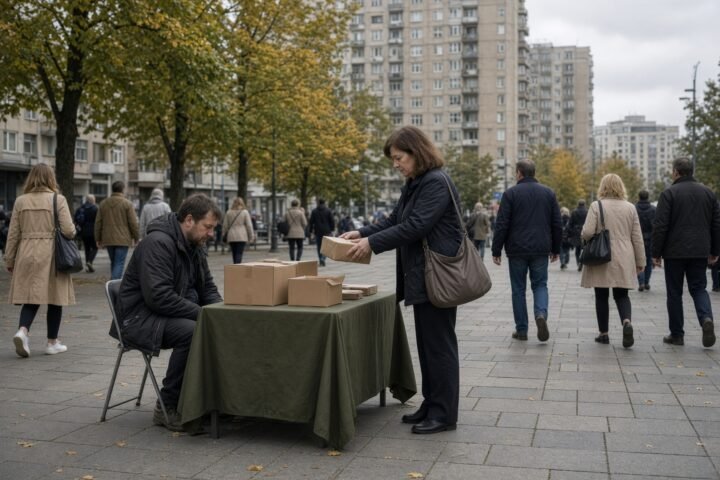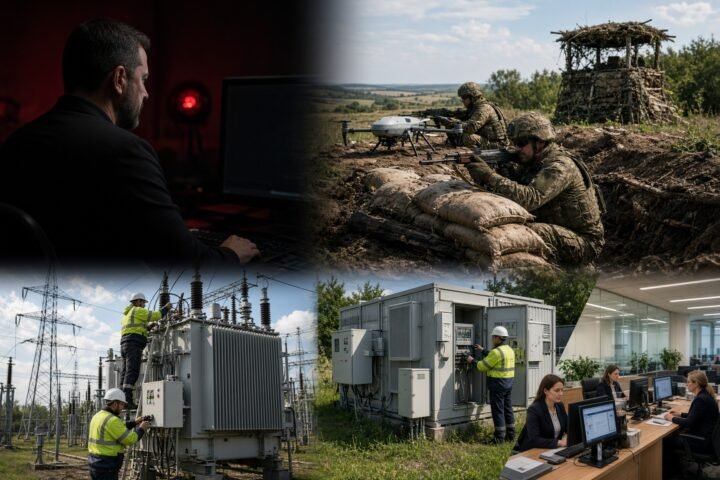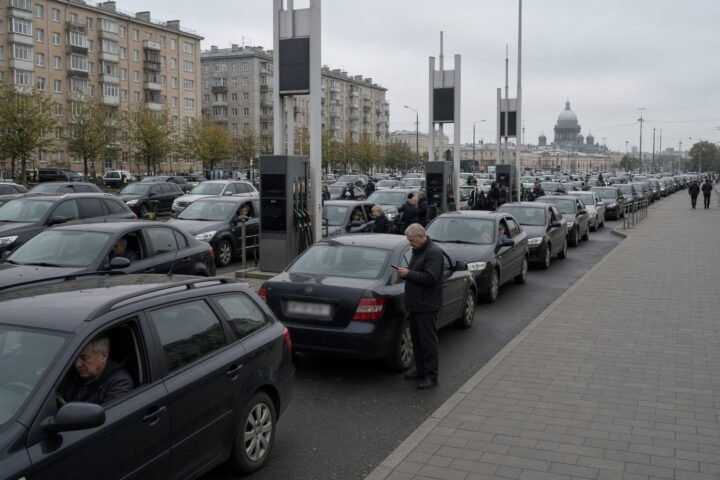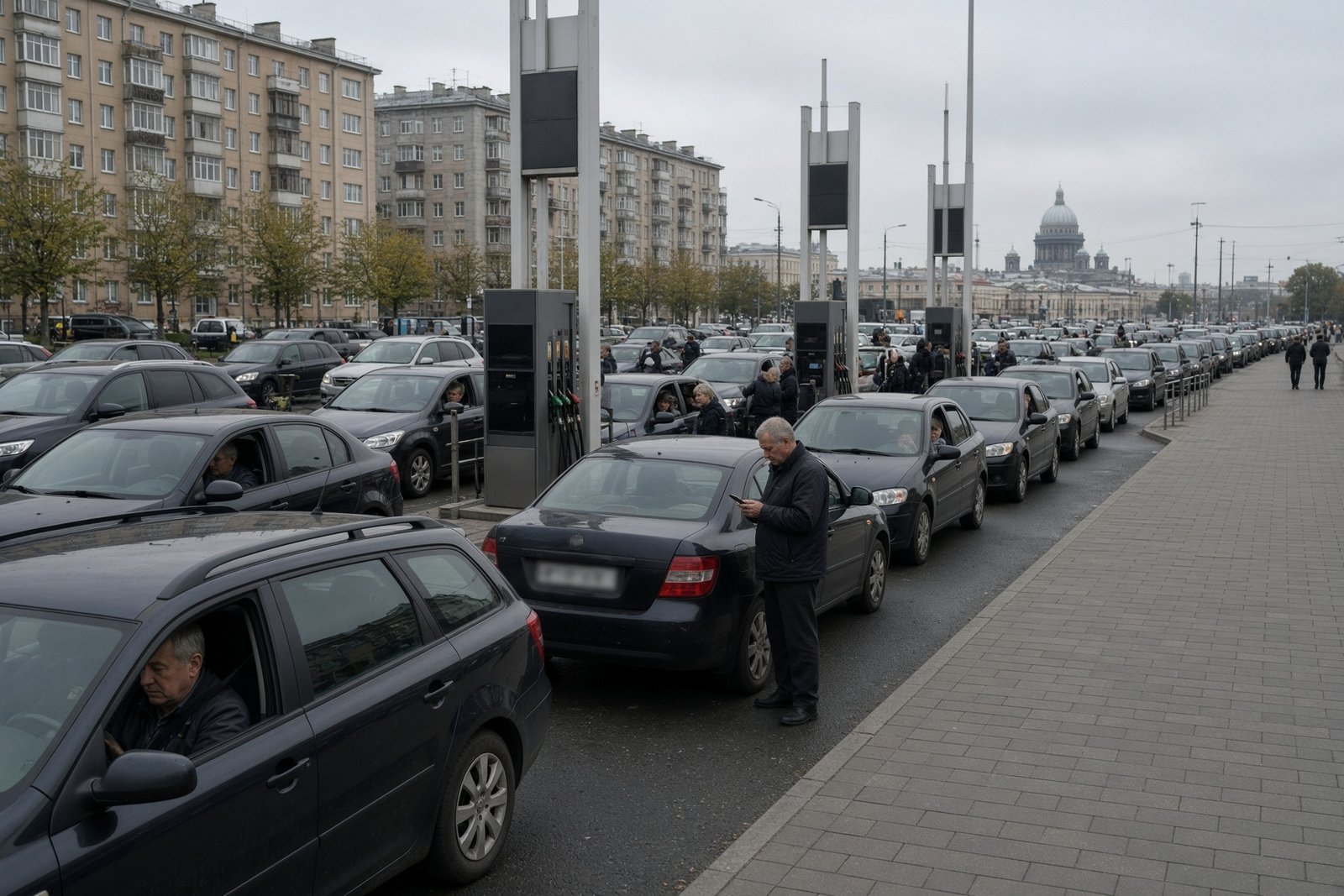
The shutdown of a key refinery after a drone attack has left most petrol stations in Russia’s second city unable to operate normally, with queues of up to 100 vehicles.
St Petersburg is facing a sharp fuel shortage after the Ukrainian drone attack that damaged the Kirishinefteorgsintez refinery in the Leningrad region, exposing the city’s dependence on a single major supplier. Reports published on 13 September 2026 said the proportion of petrol stations operating normally had fallen from 95% in August to between 30% and 40% in the first ten days of September. The figures were reported by Kritik News Feed, citing the fuel-monitoring service GdeBenz.
Availability of the most widely used petrol grades, AI-92 and AI-95, had dropped from 50–60% at the end of August to below 20%. Premium AI-98 and AI-100 had almost disappeared from sale. Many of the stations still open were selling diesel but no petrol, while others were facing queues of at least 50 cars. At a third of operating stations, the queues had grown to 100 vehicles or more.
A refinery shutdown reaches the city
The disruption followed the 30 August attack on Kirishinefteorgsintez, which damaged two primary-processing units and brought the refinery to a complete halt. The plant is the main supplier of petroleum products to St Petersburg. With its capacity offline and no flexible alternative logistics available, the loss of the refinery was rapidly transmitted to petrol stations operated by Lukoil and Rosneft.
For residents and drivers, the consequences extend well beyond the inconvenience of finding an open forecourt. Motorists are spending hours searching for stations with the required grade of fuel, joining queues and attempting to plan journeys around uncertain supplies. The duration of the shortage remains unclear because it depends on when the damaged refinery capacity can be restored.
The crisis has also exposed how heavily the north-western energy system relies on one industrial facility. Other regions affected by attacks on oil-refining infrastructure cannot easily supply St Petersburg, leaving little room to redirect fuel into the city. The result is a supply system with limited resilience when a central production site is disabled.
Independent stations squeezed out
The shortage is deepening the divide between vertically integrated oil companies and independent petrol-station operators. Major companies are directing remaining supplies primarily to their own branded stations, while independent operators are left without fuel or forced to buy it on the exchange at sharply inflated prices.
For smaller businesses, purchasing fuel at those prices can mean operating at a loss. Many have consequently suspended trading, reducing the number of stations available to motorists and further weakening competition in the retail market. A temporary supply shock is therefore accelerating the concentration of fuel sales in the hands of the largest companies.
The shortage is also likely to feed through into the wider urban economy. Petrol and diesel are direct components of the cost of transport and services. Long waits at stations reduce the time available for commercial vehicles, taxis and delivery fleets to work, forcing companies to put fewer vehicles on the road or raise fares to cover higher operating costs.
Pressure on food, services and essential workers
Higher transport charges then pass into the prices of goods and services. Food producers are having to queue for limited supplies, disrupting delivery schedules and exposing them to substantial penalties from retail chains. To protect their margins, producers may add fuel, transport and delay-related costs to the price of basic goods such as milk and bread, creating further inflationary pressure for households.
The shortage is meanwhile altering daily life across the city. Restrictions on the amount of fuel sold to one customer, together with bans on filling containers, have added to anxiety among residents. People are coordinating journeys through online chats, searching for petrol at night and setting aside several hours simply to refuel. What was once a routine task has become a source of consumer panic and wider uncertainty about the reliability of the city’s basic services.
The most serious concern is the effect on essential infrastructure. Persistent shortages of AI-92 and AI-95 threaten the reliable operation of public transport, ambulances, fire services and municipal fleets. Even if large chains prioritise corporate customers and state organisations, congestion around petrol stations, disorganised deliveries and the physical absence of fuel from municipal bases could slow emergency responses.
The disruption shows how the consequences of Russia’s war against Ukraine are reaching directly into the everyday functioning of a major Russian city. Whether St Petersburg can secure replacement supplies before the refinery’s damaged capacity is restored will determine whether the present shortage remains a severe disruption or develops into a longer-term crisis for the city’s transport and food networks.
Should Russia prioritise restoring centralised refinery capacity, or build more diversified fuel logistics to reduce the risk of another city-wide shortage?