Nigel Farage claims inquiry into donation is rigged
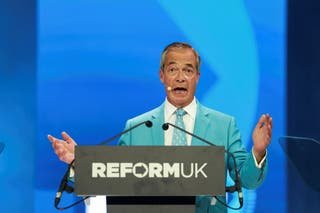
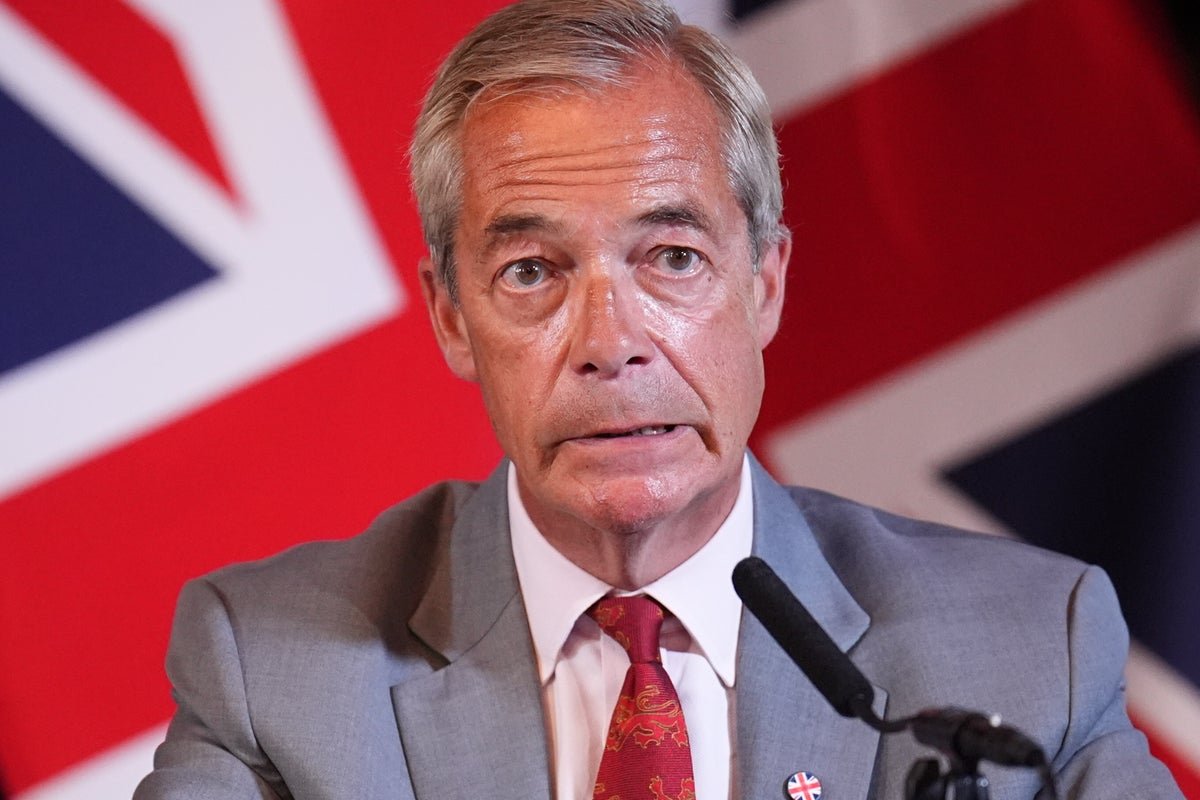
Nigel Farage has claimed that the result of an inquiry into his undeclared £5m donation from a crypto billionaire is rigged against him, in an extraordinary attack on those who will decide his fate, reports BritPanorama.
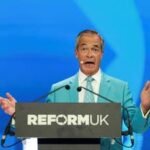
The leader of Reform UK has returned to Parliament following a by-election in his Clacton constituency that he called in protest against the Commons’ standards inquiry regarding the donation from Christopher Harborne.
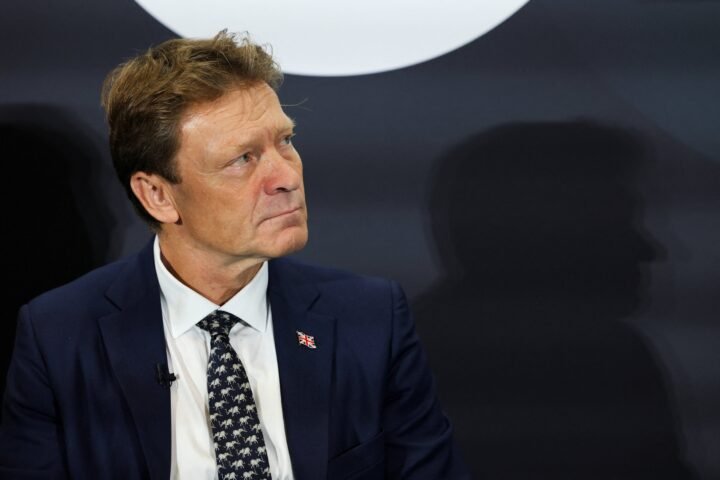
The donation, received prior to Mr Farage becoming an MP in July 2024, was made less than a year before the election. This timing is central to the inquiry as it falls within the period when such declarations are mandated by the rules, according to complainants. Mr Farage maintains that the funds were personal, intended for his private security, thus negating the need for declaration.
In comments reminiscent of Boris Johnson’s previous attacks on parliamentary investigations, Mr Farage suggested that MPs and independent members of the Standards Committee have already prejudged him as guilty without a fair hearing.
He told the BBC: “Well, I mean, that investigation, the outcome. Have you seen who is on the committee? I think we know the outcome already.”
This strategy reflects a broader pattern used by politicians facing inquiries to divert attention from the charges against them. Mr Johnson’s own tactics during the Partygate scandal did not deter the adverse consequences he faced, eventually leading to significant sanctions.
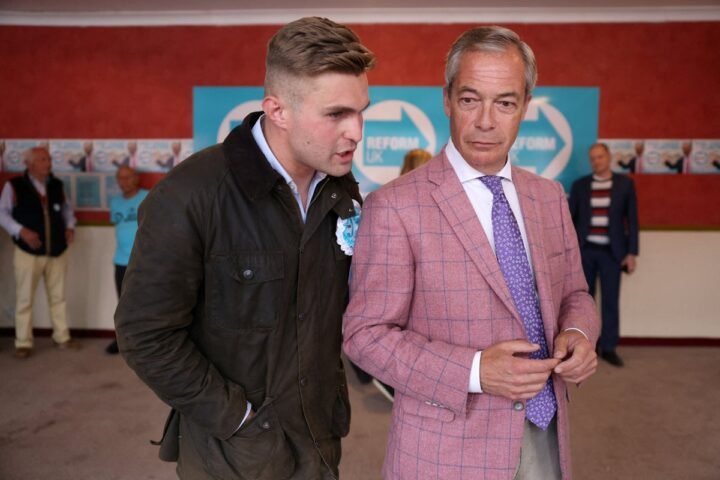
Mr Farage faced considerable scrutiny regarding his decision to call the by-election, particularly due to the presence of a comedian candidate, Count Binface. Asked about the rationale for this move, he defended it as a necessary step in light of the investigation ongoing against him.
In his exchanges with BBC political editor Chris Mason, he reiterated his concerns over the committee’s impartiality, which is chaired by Tory MP Alberto Costa. Mr Farage suggested a lack of fair treatment, questioning whether individuals from opposing political backgrounds could adjudicate justly.
In justifying his by-election, Mr Farage described feeling judged daily by the media, which he believes exacerbates his situation. “I heard someone, [Labour deputy leader] Lucy Powell, say it could take up to a year for there to be a decision on this, and so I’m being judged guilty every single day by the media by everybody. I said, you know what? Whilst Westminster obsesses about money, about security, about whether this was political or personal, and it goes on every day. Do you know what we’ll do? We’ll ask the people,” he stated.
Linking his circumstances to Johnson’s earlier inquiry, he expressed skepticism about the investigation’s integrity, particularly regarding the involvement of politicians from rival parties in the decision-making process. “I think if we’re going to have standards, surely we need to have people who are actually apolitical making those decisions,” Mr Farage added.
The Standards Committee has yet to respond to inquiries regarding these claims.
The ongoing narrative raises questions about political accountability and the balance of power within Westminster, leaving observers to consider the implications for both Farage and the broader political landscape in the UK.