Labour MPs push back against Freeview switch-off plans
Labour MPs are preparing to oppose proposals to phase out Freeview TV by 2034, asserting that it serves as a critical lifeline for older viewers, reports BritPanorama.
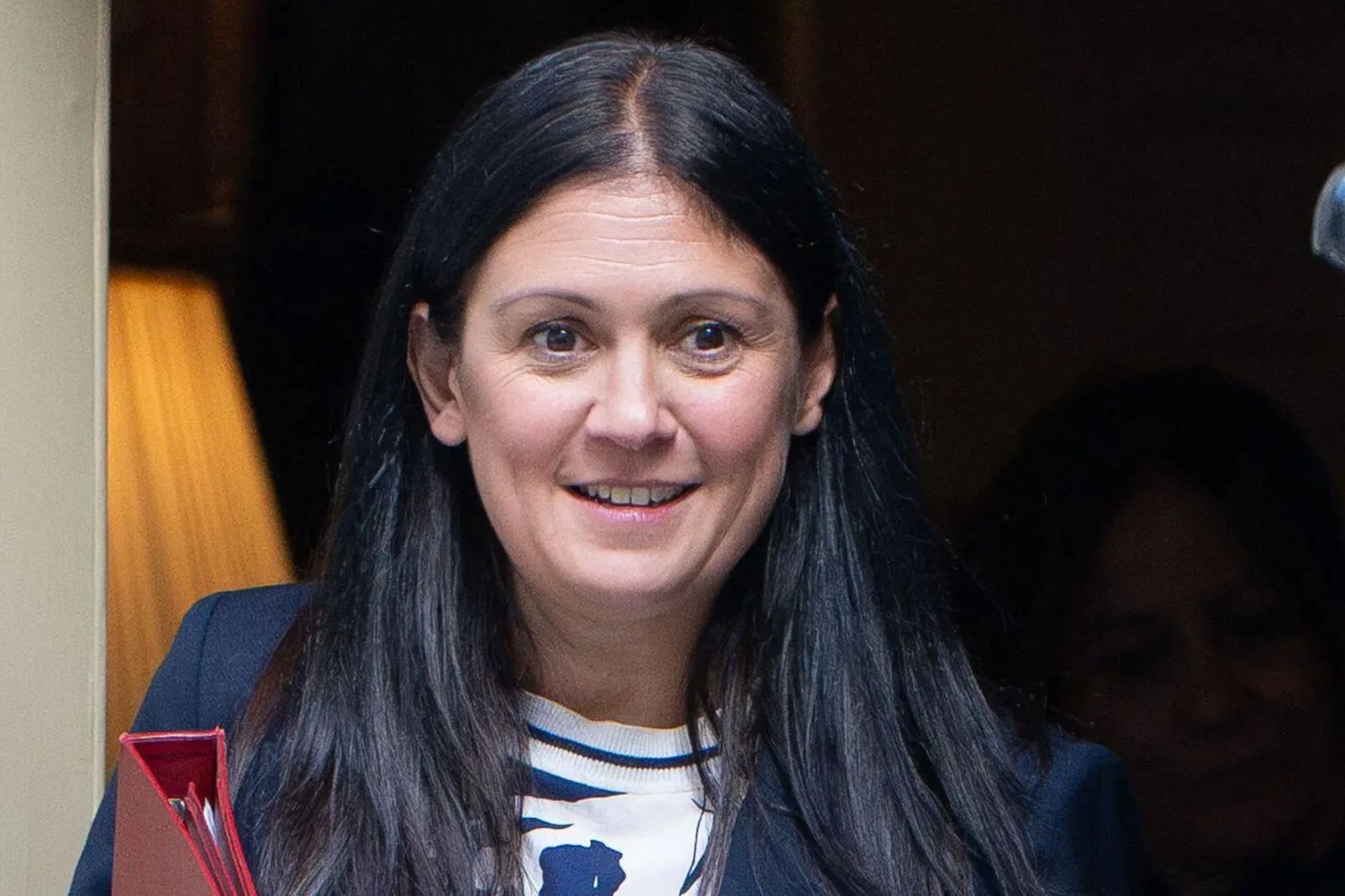
A letter from 52 backbenchers has been sent to Culture Secretary Lisa Nandy, urging her to secure the continuation of terrestrial television until at least 2044. This action underscores concerns regarding the impact such a switch-off would have on the most vulnerable segments of the population.
Pressure is mounting on Prime Minister Andy Burnham to align with this extended timeline for transitioning broadcasting online. During a recent Commons session, he acknowledged the genuine concerns surrounding the proposed change, stating his intention to give the matter further review.
The letter highlights potential challenges posed by a 2034 transition, including increased costs that would require many households to invest in high-speed broadband and new equipment to maintain access to television content currently available for free. Critics argue that this would place an undue financial burden on viewers, particularly the elderly.
In response to increasing public anxiety, a campaign has been launched to protect Freeview. The initiative emphasizes that the proposed phase-out would effectively create a financial barrier to accessing vital media services.
Steve Reed, a Cabinet minister under Sir Keir Starmer, stated, “Free-to-air is a lifeline for the elderly, not to mention families on tight budgets or those without reliable or affordable broadband. We should not allow a premature switch-off to place an effective paywall around a service that’s reached every home for generations.”
Reed is part of a broader consensus advocating for a 2044 deadline, arguing it would maintain affordability and safeguard national resilience. However, government officials assert that an earlier switch could free resources to enhance the BBC’s services.
A government spokesman acknowledged a “strong case” for transitioning to Internet Protocol Television (IPTV), but emphasized that any future change would only proceed once adequate safeguards and infrastructure are guaranteed, ensuring continued affordable access for all.
The evolving debate surrounding Freeview signals a significant discussion about media access and affordability in the digital age, as stakeholders strive to balance innovation and inclusivity.