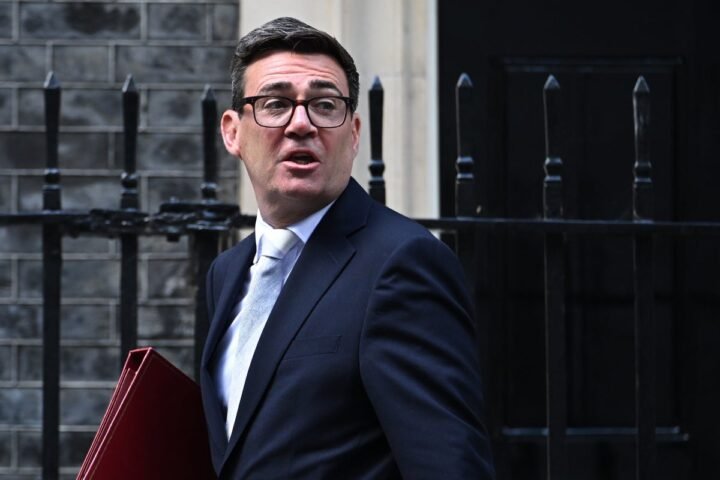
Andy Burnham faces criticism in first Commons speech as PM
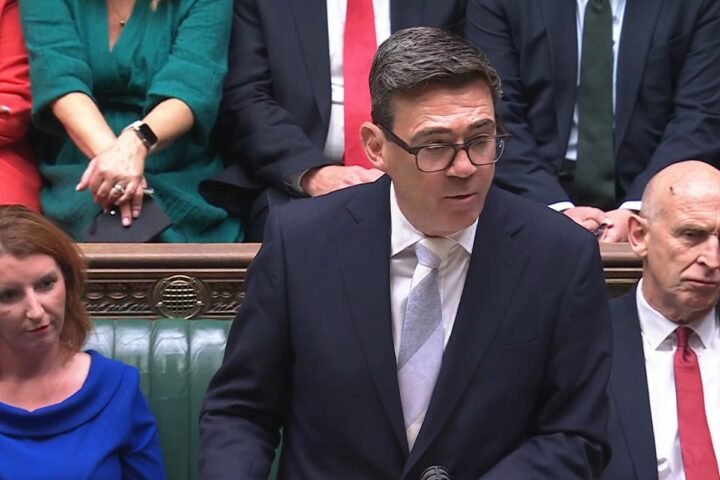
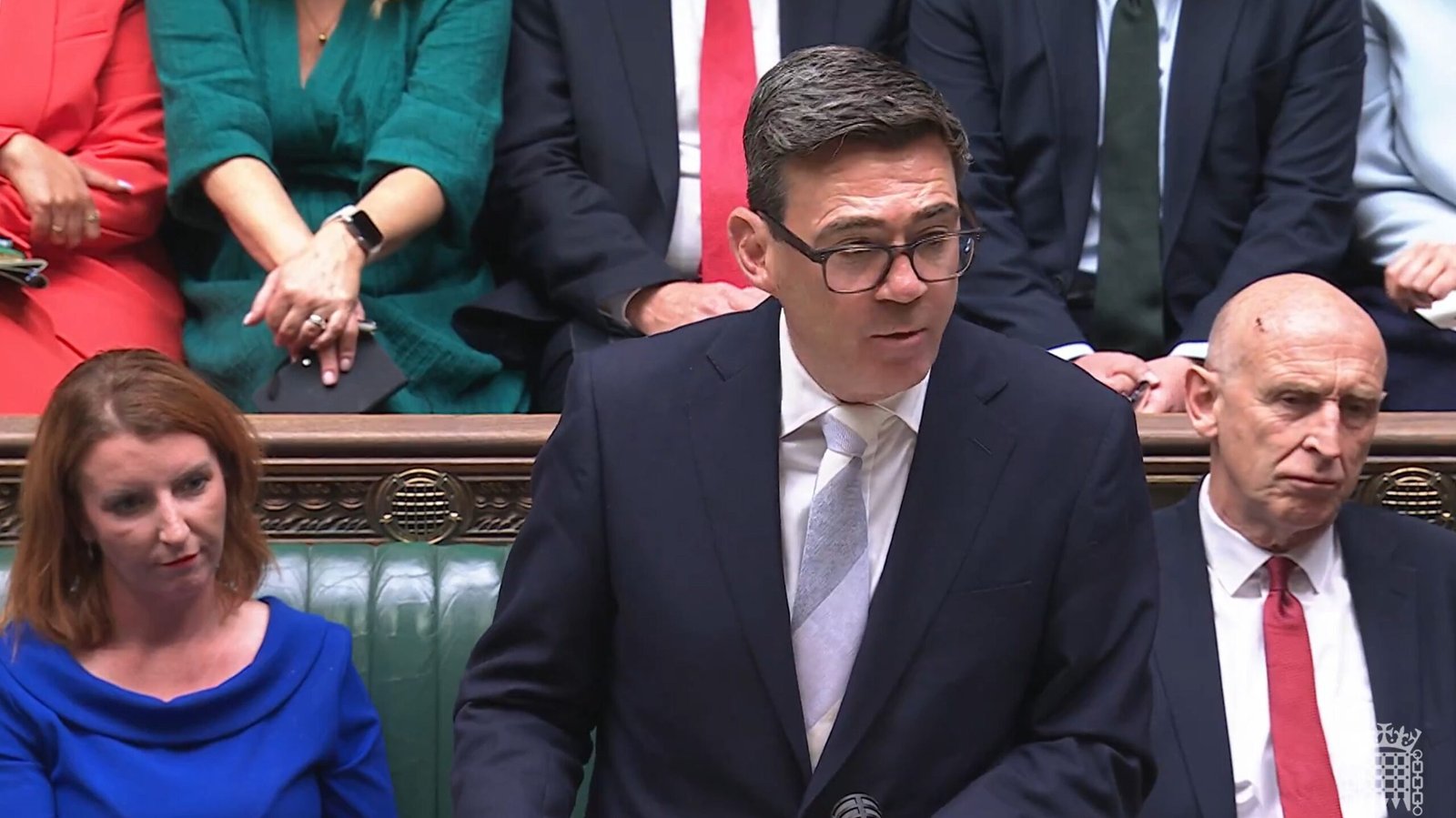
New Prime Minister Andy Burnham has been accused of being “stuck in the past” following his inaugural speech in the House of Commons, during which he lamented Brexit and the legacy of Margaret Thatcher, reports BritPanorama.
In his address, Burnham stated, “Britain is not where any of us would wish it to be,” attributing this to a “series of wrong turns in the 1980s,” alongside the ramifications of leaving the European Union.
This appearance marked Burnham’s first interaction with Members of Parliament since he assumed office six weeks ago and conducted a summer tour focused on small cost of living initiatives.
As Parliament reconvened, he engaged in a heated session with MPs, addressing critical issues such as immigration, welfare, and defence. Burnham expressed concerns that the UK is grappling with escalating living costs, stating that life is “too expensive and too hard for too many.”
The former mayor of Manchester reflected on his time away from Westminster, claiming it provided him with a “clear diagnosis” of the issues plaguing the UK. He criticized Thatcher’s extensive privatization measures and the decision to exit the EU, suggesting that these actions centralised political power while deindustrialising the nation, leading to inadequate growth and minimal regeneration in the past decade.
Burnham asserted, “Political power was centralised, economic power privatised,” emphasizing how these shifts have left communities without the ability to reclaim control.
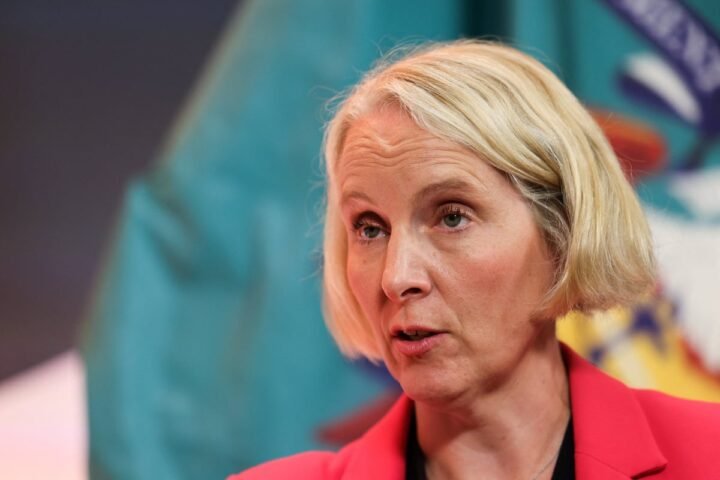
In rebuttal, Tory leader Kemi Badenoch condemned Burnham for his focus on historical grievances instead of future solutions. She remarked, “The year is 2026 yet the Prime Minister said in his statement that everything has gone wrong since the 1980s.” Badenoch criticized Burnham’s references to Thatcher and suggested his plans for increased government control masked a lack of innovation.
She linked Labour’s proposed rises in taxes, amounting to £70 billion, as a contributing factor to the sluggish economic performance currently afflicting the UK.
Despite the significant expectations surrounding his leadership, Burnham’s first speech did not resonate strongly within the Commons, where Labour MPs appeared less enthusiastic than anticipated. Criticism of his strategic focus indicates the challenges he may face in unifying his party and addressing pressing national issues.
As the political landscape continues to shift, Burnham’s approach will be pivotal as he navigates the complexities of governance in a time of economic uncertainty and public discontent.
Concerns about historical legacies and their ramifications persist, underscoring the need for a forward-looking agenda in British politics. The balance between acknowledging past mistakes and crafting viable solutions remains a critical challenge for Burnham’s administration.