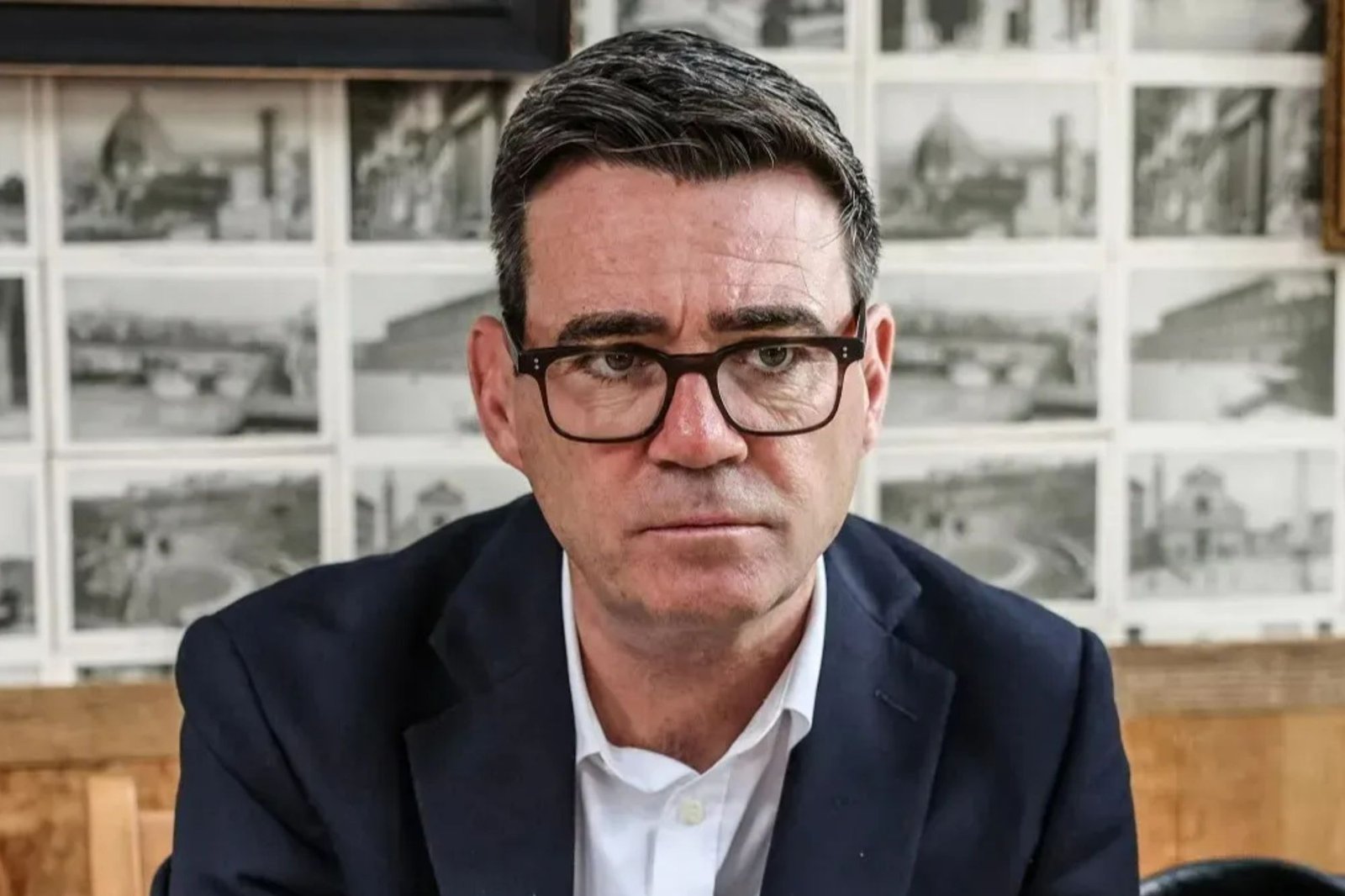
Andy Burnham will enter Parliament for the first time as Prime Minister today as he begins to set out his plans, reports BritPanorama.
Burnham was sworn into Parliament at the end of June after winning the Makerfield by-election last week. His first day in office comes with a significant agenda, as he faces a variety of pressing issues.
A summer policy blitz has introduced a challenging in-tray of problems ranging from immigration to the economy and welfare spending. Here are the six most prominent challenges he will need to address:
Immigration
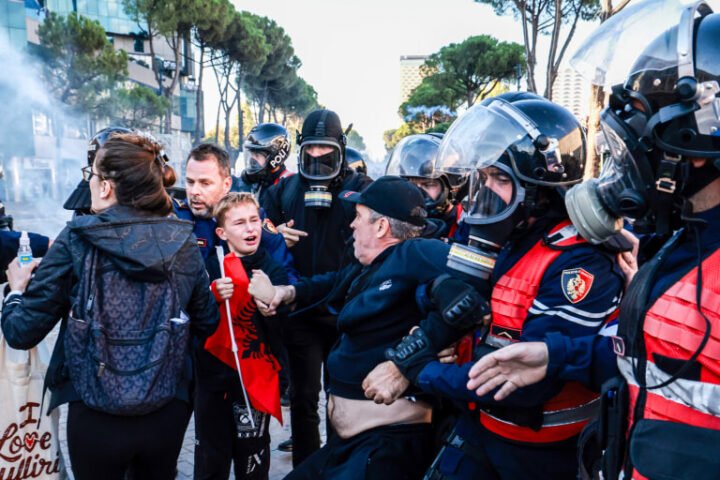
Controlling immigration is a priority for voters, particularly concerning legal net migration and the small boats crisis in the English Channel. Burnham appears to endorse reforms proposed by Shabana Mahmood aimed at reducing migration numbers and curbing Channel crossings.
He has indicated that immigration must decrease further and supports the “broad thrust” of Mahmood’s plans, which include extending the waiting period for migrants to claim benefits from five to ten years. This year, around 17,000 migrants have crossed the Channel, down 43% compared to last year.
Prisons
The early release scheme for prisoners was one of the first crises Burnham faced as Prime Minister. In one of his initial decisions, he barred rapists and serious child sex offenders from early release. However, controversy surrounded the potential early release of convicted individuals in high-profile cases such as that of PC Harper.
Amid public discontent, he has since expanded the list of ineligible offenders for early release and expressed a desire to tighten the criteria even further. Approximately 4,500 prisoners are set to be released progressively to alleviate jail overcrowding, raising concerns about public safety.
Defence
Among the toughest challenges for Burnham will be defence spending. Allies have voiced concerns that funding this department will be particularly challenging, especially with the Labour Party’s Defence Investment Plan seemingly stalled after the resignation of Sir Keir Starmer.
Burnham has backed the intention to increase defence funding but has signaled that he is open to borrowing more money to support the armed forces. Questions remain regarding the future of military spending and whether it will meet the target of 3% of GDP.
Welfare
Addressing the rising welfare bill is another significant hurdle for the Prime Minister, with projections indicating it may reach £400 billion by the end of the decade. Burnham’s predecessor faced setbacks in cutting benefits amid backlash from Labour backbenchers.
While initially opposing cuts, Burnham has shifted his stance, acknowledging the need for reforms in a more strategic manner. Reports on youth unemployment and disability benefits are forthcoming, though immediate action may be deferred.
Economy
Burnham inherits a sluggish economy characterized by high taxes and substantial debt. His forthcoming Budget will require navigating a fiscal landscape where Labour’s fiscal cushion has diminished significantly from £22 billion to £15 billion within a year.
External pressures, such as geopolitical instability affecting oil prices, have compounded economic challenges. As Manchester’s former mayor, he championed increased state ownership, emphasizing the need for strategic investments despite tight fiscal constraints.
Brexit
Reestablishing UK-EU relations was a core element of Starmer’s mission, but strict red lines have limited discussions on free movement and customs union reintegration. Burnham has previously expressed support for rejoining the European Union but refrained from reviving the Brexit campaign narrative during the Makerfield by-election.
Recent discussions have suggested his openness to reducing university fees for EU students as a trade-off for enhanced access, indicating a potential shift in approach.
As Burnham embarks on his premiership, the outlook on these various challenges will be closely monitored, especially given the complexities of domestic and international landscapes.
In navigating these pressing issues, Burnham’s administration will reflect broader themes of governance in an era marked by critical economic realities and shifting political sentiments across Europe. The balancing act between responsiveness to constituents’ demands and the fiscal imperatives of governance will define much of his initial tenure.