Ukraine’s leadership criticism amid US diesel deal with Russia
Volodymyr Zelensky’s relationship with Donald Trump reached a new low on Friday after the US president repeatedly criticized the Ukrainian president and agreed new trading deals with Russia, reports BritPanorama.
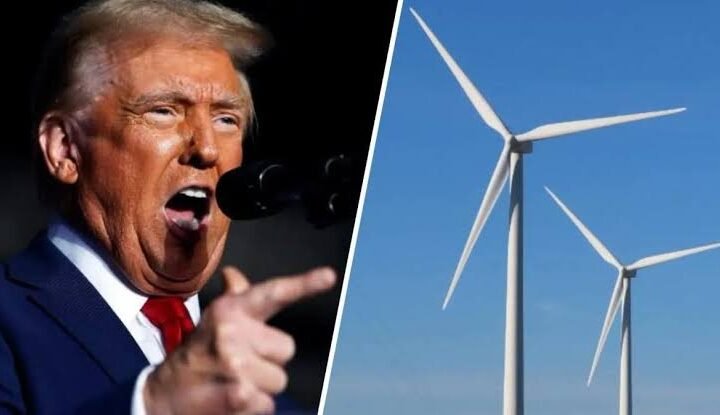
In a thinly veiled swipe at Trump, Zelensky thanked the “real leaders” in Europe for their backing of Ukraine, emphasizing the importance of allies who have supported his country since the conflict’s onset. This reaction followed Trump’s announcement of a new diesel deal with Vladimir Putin, during which US Starlink intelligence feeds were restricted in Ukraine. Trump controversially claimed it was easier to engage with the Russian president than with Zelensky.
Moreover, Trump denounced Ukrainian attacks on Russian oil refineries as a “disgrace,” despite ongoing strikes on Kyiv and other cities throughout the week against the backdrop of his declared “energy ceasefire.” In a subsequent address at a European Union summit in Brussels, Zelensky noted that he had heard “support and only support” from EU partners amidst deteriorating relations with the US president. He dismissed Putin’s attempts to negotiate peace as mere “parody.”
Following Trump’s announcement to lift sanctions on Russia to facilitate a diesel trade aimed at reducing US energy prices before the midterm elections, Zelensky commented, “This diesel deal will never be enough to offset the impact of the Strait of Hormuz on global markets. But it will put more money straight into Putin’s pocket to fund this war.”
Adding to the tension, Zelensky reported that his military advisers received warnings from the US regarding potential limitations on intelligence sharing. He stated that Starlink services had not been fully restored, causing disruption to Ukrainian operations. Such disruptions are particularly concerning as they impact vital systems used to intercept Russian attacks.
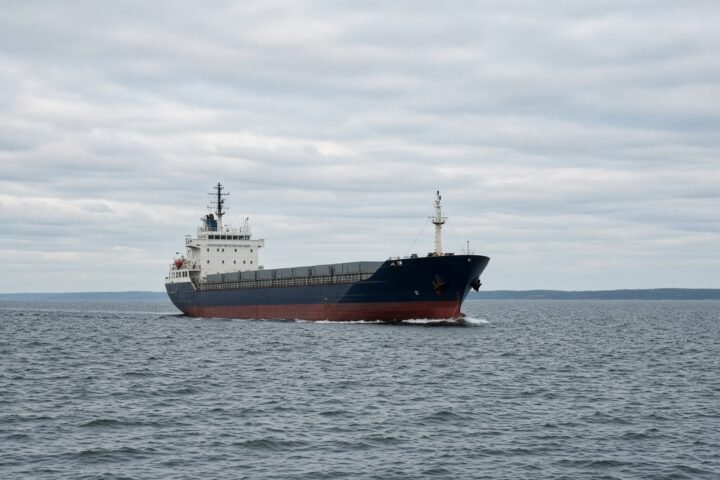
Amidst these developments, the US administration appears to be considering lifting sanctions on Russia’s “shadow fleet” of oil tankers, which could further complicate the situation for Ukraine. Trump’s administration reportedly aims to allow these vessels to trade globally, intensifying concerns over US support in the ongoing conflict.
Meanwhile, Zelensky was asked whether he feels Trump is using him as a scapegoat for issues in the US; his silence and grimace spoke volumes. Earlier, Trump criticized Ukraine for continuing strikes on Russian oil facilities, which he claimed only exacerbated global oil prices, stating, “Well, I think that’s a disgrace.”
The ongoing Russian drone strikes resulted in three fatalities in Kharkiv on Friday, with other attacks leaving many communities without power. Zelensky informed EU leaders that the war would likely impose another substantial cost on Ukraine, estimating an additional €155 billion in expenditures next year, with €70 billion needed in support from Europe.
Estonian Prime Minister Kristen Michal echoed growing concerns, indicating that the EU may need to extend new loans to Ukraine to address significant budget gaps. He remarked, “Last winter was already hell; this one will be once again like hell,” reflecting the grim realities facing Ukraine as European leaders gear up to respond beyond financial aid.
As missile strikes and drone assaults continue to plague Ukrainian cities, the stakes for diplomatic engagement and military support remain urgent, revealing a complex interplay of international relations amidst the ongoing conflict.