US enters historic oil deal with Venezuela
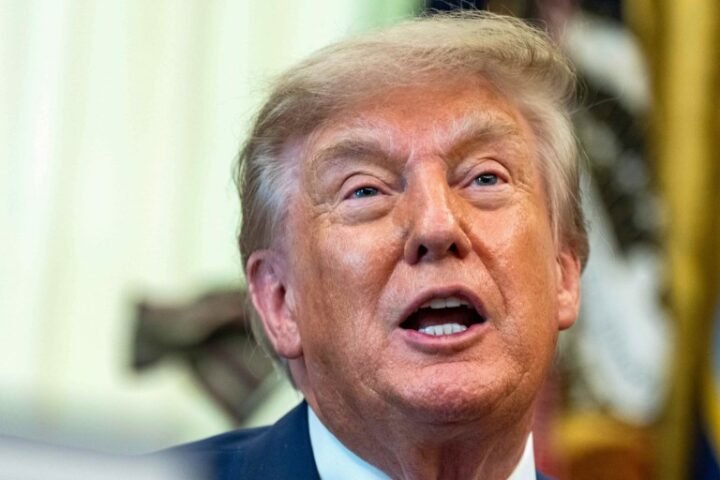
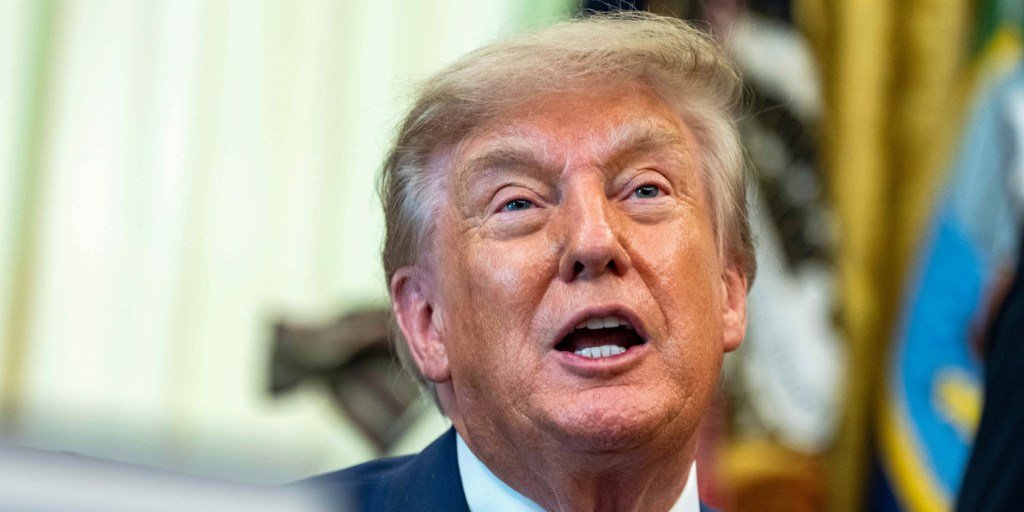
President Donald Trump announced Friday that the U.S. had entered into an agreement with Venezuela to take control of the country’s 65 billion barrels of oil reserves, reports BritPanorama.
In a statement, Trump described this arrangement as “THE BIGGEST OIL DEAL IN WORLD HISTORY.” He detailed that Secretary of State Marco Rubio and Secretary of War Pete Hegseth collaborated with Interim President of Venezuela, Delcy Rodriguez, to secure majority U.S. control of these oil reserves without any cost to American taxpayers.
Trump emphasized the significance of this deal, claiming it “MORE THAN DOUBLES American Oil Reserves.” The transaction adds further complexity to U.S.-Venezuela relations, already strained due to ongoing regional tensions and the humanitarian crisis affecting the Venezuelan population.
In January, a U.S. military operation aimed to capture Venezuelan President Nicolás Maduro, who faces numerous federal narcoterrorism and drug trafficking charges in the United States. This backdrop underscores the rising stakes in Venezuela as the U.S. looks to stabilize its energy sources amidst global fluctuations.
As the midterm elections approach, Trump faces mounting pressure from rising gas prices exacerbated by the ongoing war with Iran, now six months in. In light of this, Rubio celebrated the oil deal as a “huge win” for both nations, positing it as a reflection of Trump’s foreign policy successes.
Rubio stated that this deal would lead to nearly $100 billion in private investment, create thousands of jobs, and promote the reconstruction of Venezuela’s economy. Despite these promising assertions, the reality of Venezuela’s oil production remains grim, with current output at about 1% of global supply due to extensive infrastructural degradation.
Venezuela possesses one of the largest oil reserves globally, with an estimated 303 billion barrels, which accounts for approximately 17% of the world’s total supply. Nonetheless, the potential for production remains largely untapped, reliant on significant investment and recovery efforts.
As the geopolitical landscape shifts, this latest development raises questions about the effectiveness of international partnerships and the long-term implications for U.S. energy policy.