Grieving through fitness: a new approach for New Yorkers
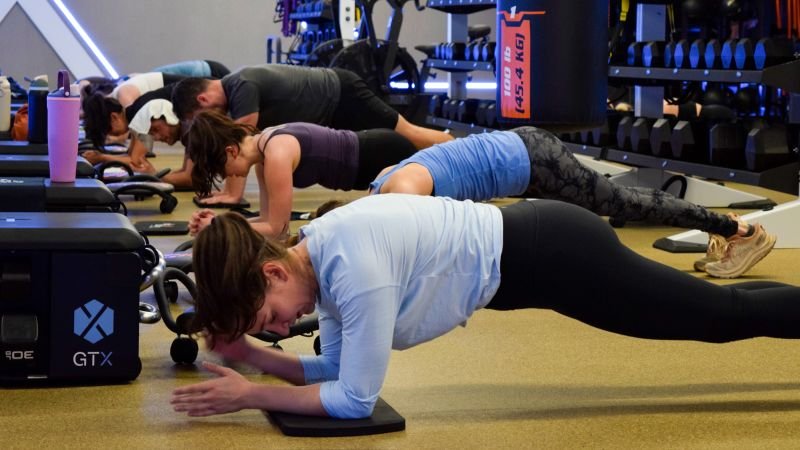
In a recent Liftonic class led by instructor Sylvia Borowska, participants engaged in a unique workout designed to address their grief. Each of the 30 attendees was instructed to select the heaviest weight they could manage, simulating the burden of loss. “Do as many deadlifts as you can for the amount of time that the person you’ve lost has passed,” Borowska explained. This innovative class, aimed at grieving individuals in New York, was organized in partnership with the initiative Grief, Sweat & Tears, which was established in December 2025. The class registration was priced at $30, according to an Instagram post, and its theme emphasized a blend of physical exercise with emotional healing, reports BritPanorama.
During the session, Borowska drew from her personal experience of losing her mother to lung disease, marking this class as a significant moment in her teaching career. “Let’s keep going,” she encouraged participants, reframing their struggle with grief as a source of strength. The notion of blending fitness and emotional expression is not novel; formats like rage cycling and anxiety yoga have emerged in recent years, facilitating workouts based on emotional experiences.
Despite the growing popularity of these emotional fitness classes, the scientific community remains cautious. Dr. Ryan Martin, a psychologist, noted a lack of substantial research supporting the efficacy of such approaches in processing emotions like grief and rage. “Pop culture often outpaces the psychological field,” Martin observed, highlighting the evolving landscape of emotional wellness.
Finding community through shared experiences
The rise of emotion-based workout classes reflects a broader trend in fitness, where participants seek not only physical activity but also social connection. The social networking platform Meetup indicates that over 3 million individuals are part of around 2,200 fitness-based groups globally. Such shared activities cultivate valuable relationships within communities, fostering connections built on common experiences.
“Community is one of the most valuable parts of a workout class like this,” stated Martin, emphasizing the importance of collective experiences in healing. For many, entering a grief-focused workout group feels less intimidating than traditional support groups. “This method creates a connection through mutual understanding without focusing solely on shared grief,” he explained.
Betsy Kaplan, the founder of Grief, Sweat & Tears, developed this concept after her father’s suicide eight years ago, aiming to offer a relaxed space where participants could form new connections without the pressure to disclose personal narratives. “We’re here to work out, meet others, and just form new bonds,” Kaplan commented, reflecting on the informal atmosphere she hoped to create.
Each class offers emotional scope
In a related initiative, Elisa Thurston held her engagement party at E-motion Fitness in Westminster, Colorado, an establishment designed as a rage room and gym. Participants engage in cathartic activities like smashing paint-filled bottles before moving on to guided workouts, demonstrating how fitness spaces can be repurposed for emotional processing.
While many claim that these workouts help release negative emotions, Dr. Martin cautions against this notion, asserting that emotions do not dissipate merely through physical exertion. “Physical activity can sometimes exacerbate feelings instead of easing them,” he warned, suggesting participants must engage in reflective processes alongside their workouts.
Nonetheless, the sense of community cultivated in these classes has yielded significant participation, with around 400 individuals attending GST events in the past six months, as per Kaplan. The connection formed in these sessions often extends beyond the gym; participants frequently develop friendships that support them in their grief.
Consulting professionals for deeper processing
Experts agree that while such classes provide a valuable outlet for expression, they should not replace conventional therapeutic methods. It is essential for individuals coping with severe grief or trauma to consult professionals, whether through therapy or other therapeutic practices. This multifaceted approach to dealing with grief includes diverse methods, as Martin suggests, from outdoor activities to reading literature on loss.
Dr. Ethan Kross advocates for self-exploration and emphasizes the importance of having the flexibility to opt out of challenging workouts when necessary. Reflective practices, such as adopting a more detached perspective on one’s emotions, can also contribute to well-being.
In Borowska’s Liftonic class, laughter and tears coalesce amid the workout, demonstrating how fitness can serve as a powerful medium for communal healing. As members of this emerging community walk away from the class, they carry a renewed sense of connection and support, reinforcing that while the struggles of grief may persist, shared experiences foster resilience and understanding.