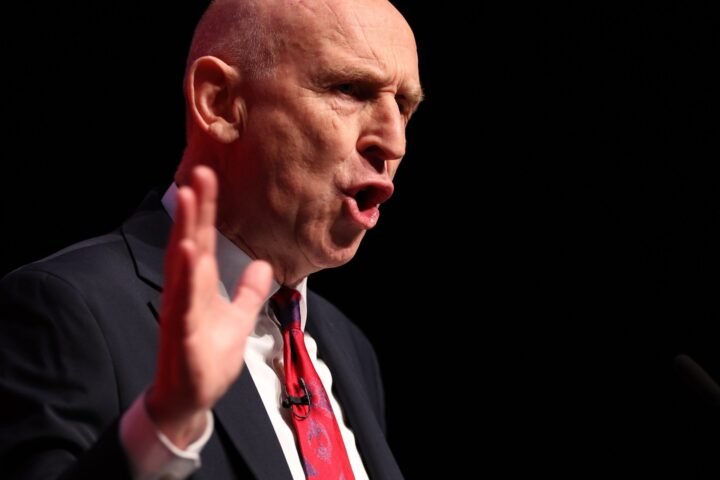
Reform UK leader criticises ‘pointless’ university degrees
Suella Braverman, the leader of Reform UK, has urged young people to reconsider pursuing what she terms “Mickey Mouse” degrees, such as Gender Studies, at less prestigious universities. This statement comes as part of Reform UK’s broader strategy to focus on vocational education and apprenticeships, reports BritPanorama.
Braverman’s remarks reflect a growing concern about the financial burden of higher education, which she claims can lead to substantial student debt without guaranteeing employability. She advocates for a shift towards apprenticeship funding in lieu of degrees perceived as lacking intrinsic value.
During a recent press conference, Braverman elaborated on the issue, stating, “In terms of Mickey Mouse courses, listen, this has been well chronicled for many years. Whether it’s Gender Studies or Golf Course Studies, there’s not a necessity, there’s not a value in many of these degrees.” Her comments emphasize the need for students to evaluate their prospective outcomes post-graduation.
With small businesses set to save £4,000 annually when hiring apprentices aged 16-18, the party’s proposed reforms aim to facilitate a significant “skills revolution” in the UK. Reform UK claims that taxpayers will shoulder around £1.5 billion in costs over the next five years, although they assert this expenditure will be offset through other means.
Braverman noted the challenges faced by graduates, observing, “Young people are coming out of university unable to get on to the housing ladder. Unable and unwilling to get married, unable to start a family.” She argues that many young people are misled into believing that a university degree is a guaranteed pathway to success.
Additionally, she encouraged teenagers to consider “AI-proof” trades that are less vulnerable to technological advancements. In her view, the rapid growth of artificial intelligence necessitates a re-evaluation of career paths to ensure long-term employment opportunities.
Braverman concluded with a cautionary message regarding the evolving job market and the importance of preparing for its challenges.
The emphasis on practical skills and vocational training presents a significant ideological shift in educational policy, reflecting broader economic trends and the changing needs of the labour market.
As the discussion around educational reform continues, the role of universities versus apprenticeships in preparing the workforce will likely remain a pivotal topic in UK public policy.