Over 750 US service members wounded since start of Iran war
Over 750 members of the US military have been injured since the Iran war began, according to data published on the Department of Defence’s website, reports BritPanorama.
More than 50 soldiers were added to the Pentagon’s casualty database on Wednesday, bringing the total to 757 injured and 18 killed. This continued escalation of hostilities in the region raises concerns about long-term strategic implications for US military involvement.
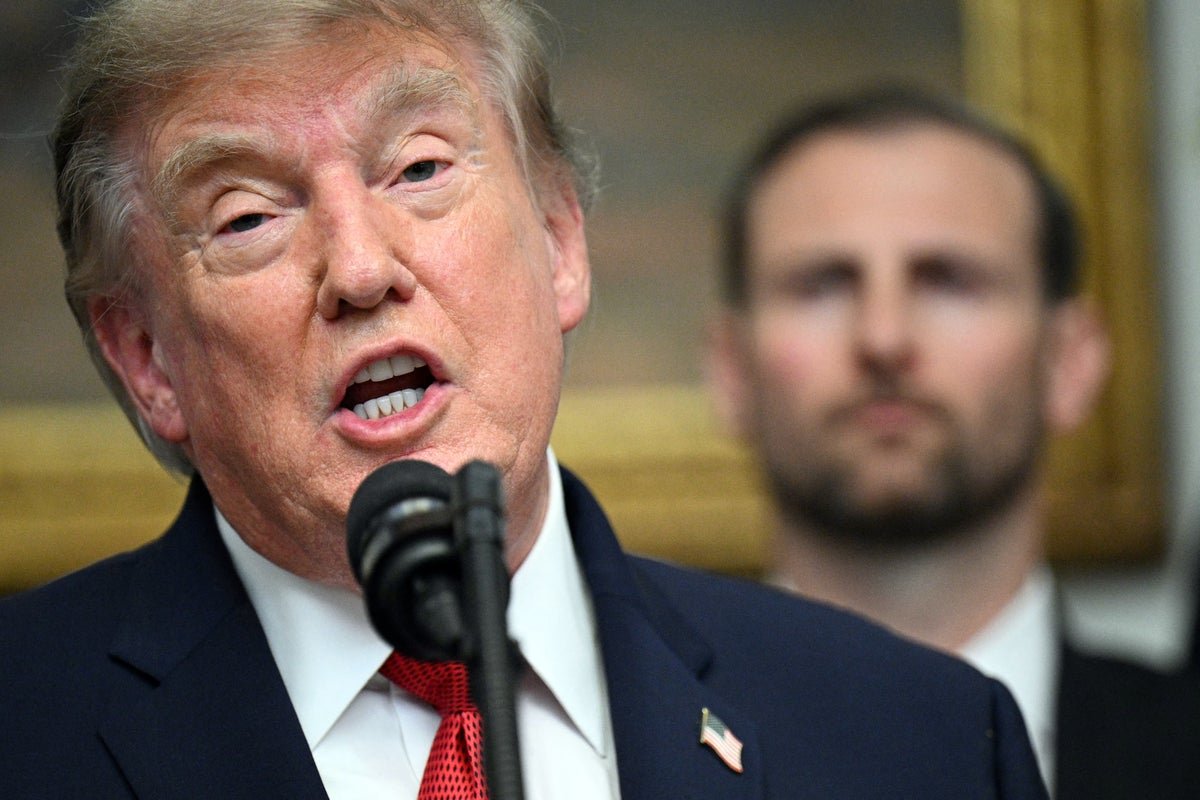
In response, Iranian officials have dismissed President Donald Trump’s declarations of an “Economic D-Day,” which threaten sanctions against any country offering aid to Iran. Foreign Minister Abbas Araghchi contended that such measures will lead only to further defeat for the US and could be perceived as a distraction from America’s economic challenges, including unprecedented debt and rising interest rates.
Trump, in a post on Truth Social, warned that countries supporting Iran will face “TREMENDOUS Economic Consequences.” He characterized the situation as an opportunity for the US and its allies to consolidate their efforts to isolate Iran. This stance reflects a continued commitment to leveraging economic pressure as a tool in US foreign policy.
Compounding the tensions, emails obtained by the National Iranian American Council revealed that US immigration officials collaborated with Iranian representatives on deportation arrangements, indicating a complex relationship between the two nations, even amidst broader geopolitical conflicts. These communications suggest that some cooperation persisted, with Iranian officials influencing passenger lists for deportation flights returning over 100 Iranians.
As the situation develops, it underscores the interconnected nature of military engagements, foreign policy, and international diplomacy in the region. Observers will be keenly watching the ramifications of Trump’s economic strategy on US-Iran relations amid ongoing hostilities. The evolving dynamics are critical not only for the US and Iran but also for regional partners affected by these policies.