Farmers face crisis amid record summer heatwaves
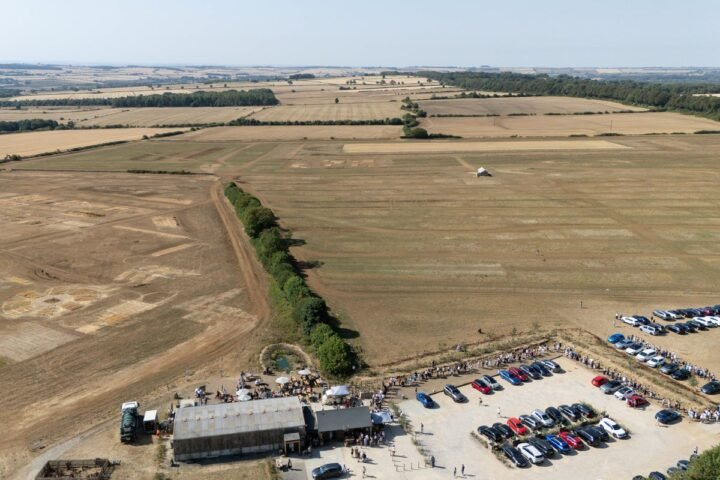
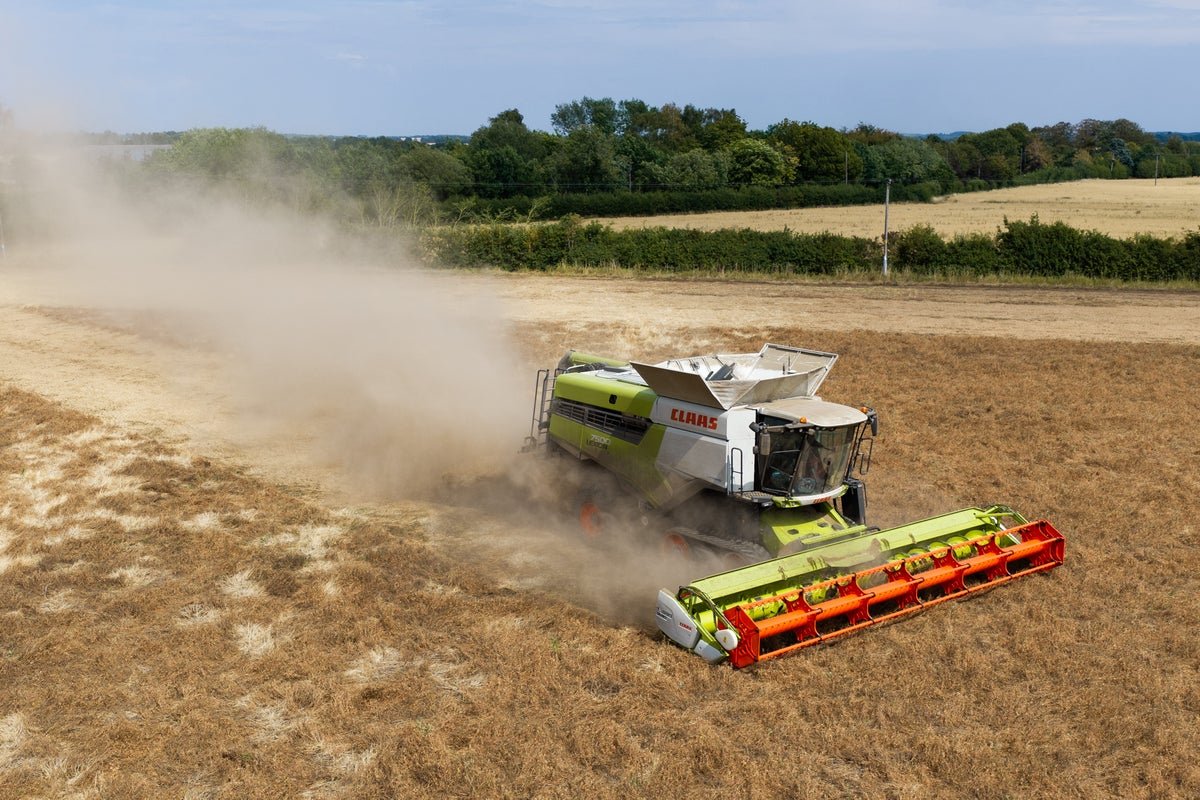
Farmers across the UK are grappling with severe challenges as a summer of unprecedented heatwaves and drought threatens crops and livestock, pushing many to the brink of financial collapse, reports BritPanorama.
The escalating risks of wildfires, water shortages, poor harvests, and soaring prices for fuel and fertilisers have intensified calls for emergency government support. As the situation worsens, producers are urging immediate action to avert further disaster.
Struggling to access the government’s Sustainable Farming Incentive—launched to alleviate the loss of EU subsidies post-Brexit—many farmers have expressed frustration. This scheme, aimed at providing financial assistance for sustainable land management, was abruptly closed in 2025 due to overwhelming demand and has only recently reopened to small farms under 50 hectares.
Calls have also been made to eliminate bureaucratic barriers that hinder farmers from constructing reservoirs needed for irrigation and wildfire protection. One industry representative has accused the government of consecutively reducing direct financial support for the sector over the years.
Martin Lines, an arable farmer from Cambridgeshire and CEO of the Nature Friendly Farming Network, described the bleak profitability outlook for the next five years, warning that smaller family farms might not survive under current circumstances. “We’ve had five years on the bounce now where weather has had a big impact on our cashflow and crops,” he commented. “Climate change is coming quicker and harder than anyone else ever told us.”
Lines manages a 165-hectare farm with his son, noting that sustained poor yields have created significant mental strain. He added, “We haven’t made money for the last few years from growing our crops; it’s a heavy mental strain. We’re just trying to cope with the lack of predictability in weather and our crop yields.”
The recent heat has also created what farmers describe as a “hairdryer” effect, adversely affecting moisture levels in the air and contributing to heat stress among animals. This phenomenon has had a direct impact on root vegetable growth, heightening concerns over potential shortages of fruits and potatoes.
As poor grain harvests continue to inflate feed costs, there are predictions that meat prices may rise, resulting from farmers having to downsize their herds.
Moreover, the Agriculture and Horticulture Development Board (ADHB) has reported that milk production has already been adversely affected by the extreme weather, with heat-stressed cows and less favourable grazing conditions contributing to declines in yield.
James McCulloch, head of feed at the Agricultural Industries Confederation (AIC), noted the recent downturn in livestock feed availability. “While farmers had enjoyed a decent silage season during the wet spring, the last six weeks have gone from bad to worse.” Many farmers are now forced to rely on winter feed supplies, facing difficult decisions about purchasing supplementary feeds or keeping animals sheltered.
McCulloch further emphasised the need for improved support within the planning application process to expedite the building of reservoirs or greenhouses to protect crops from the elements.
“We are a very resilient industry,” he stated, “but if there is anxiety, it is about not being able to put in place the solutions and measures needed.”
Following discussions in an emergency Cobra committee led by Andy Burnham, climate advisors urged governmental action to facilitate farmers in constructing reservoirs to counter worsening climatic extremes.
“No farmer can stay in business between generations without protecting their soil and their crops,” argued Gavin Lane, president of the Country Land and Business Association. He highlighted the challenges of obtaining water abstraction permits and completing reservoir projects, warning that bureaucracy is preventing farmers from capitalising on winter water reservoirs, leading to food shortages and increased prices.
“Government must act now,” Lane implored, advocating for the removal of regulatory hurdles and increased funding for initiatives like the Sustainable Farming Incentive.
Baroness Brown, chair of the Climate Change Committee’s adaptation advisory work, pointed to farmers reporting declines in milk and grain yields, emphasizing the Europe-wide implications for food production and price stability.
Mr Lines also noted the necessity for major retailers to enhance the resilience of their supply chains while encouraging the government to make long-term funding commitments to help farmers adapt to ongoing climate challenges. “The cost to the nation in the future is far more than investing in it now,” he asserted.
In a political response, Conservative spokesman Ashley Fox stated, “Labour’s record farm closures and this year’s extreme heat are pushing British farming to the brink.” He urged government action to support farmers, particularly concerning the emerging bluetongue virus affecting livestock.
A spokesperson for Defra acknowledged the difficulties faced by farmers this summer, reaffirming their commitment to providing support amid these challenging conditions. “We are working closely with farmers, the Environment Agency, and the water sector during this exceptionally dry weather to find additional ways to support the sector,” the statement read.
As farmers continue to navigate these compounded crises, the pressing need for comprehensive and efficient governmental support remains clear, underlying the urgency of reform in agricultural policy and infrastructure.