Dogs can recognize human emotions, study finds
Recent research has confirmed that dogs possess the capability to identify human emotions, specifically the distinction between happy and sad expressions, reports BritPanorama.
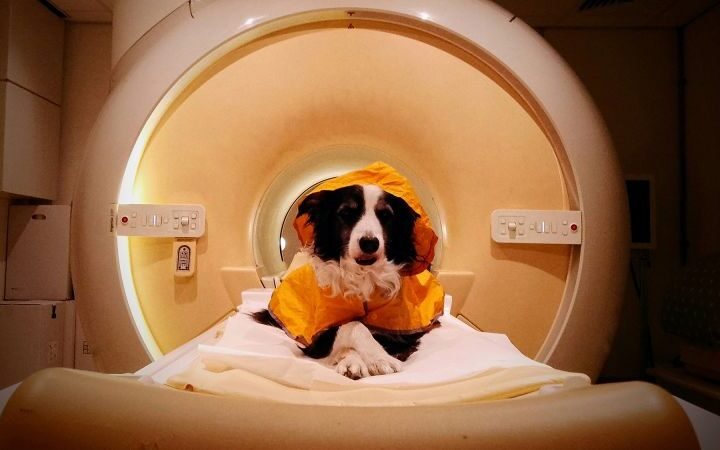
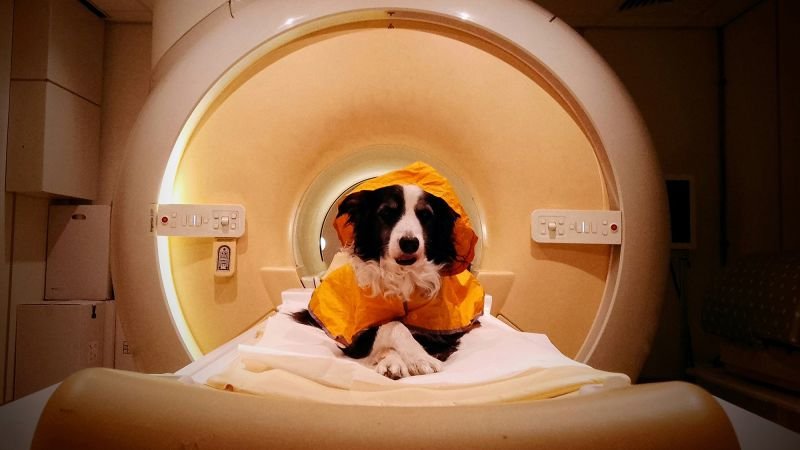
The study, conducted by a team from the University of Vienna, employed brain scans to analyze how dogs respond to various emotional cues from humans. It revealed distinct brain activity linked to happy facial expressions compared to neutral or negative ones. Senior author Laura Cuaya noted that the scans indicated heightened activity in regions of the dogs’ brains associated with reward processing when they were shown images of smiling faces.
Eight dogs, including various breeds such as border collies and labradors, participated in the research. As the dogs viewed images of people displaying happy or neutral expressions, their brains displayed increased activity particularly in the temporal cortex and caudate nucleus, areas known for processing both cognitive and emotional relevance. Cuaya stated, “It suggests that happy human faces may have emotional significance for dogs.”
However, the dogs did not exhibit the same level of brain response to angry, fearful, or sad expressions. Although there were identifiable patterns of brain activity in response to these negative emotions, the study suggests that dogs primarily recognize and respond to happiness. This differentiation underscores the evolutionary adaptability of dogs in understanding human social signals.
Hernández-Pérez, another lead researcher, expressed surprise at the findings linking the caudate nucleus’ activity to emotional processing, a region previously associated with reward. He stated, “Although we cannot access dogs’ subjective experience directly, our results suggest that seeing happy faces, even those of strangers, involves positive affective processing.”
The study highlights that emotional recognition in dogs relies on more than visual cues; factors such as body language, tone of voice, and even scent may contribute to how they interpret human feelings. It’s also essential to recognize that the dogs in the study were all raised in loving environments, which could influence their emotional processing capabilities.
The researchers acknowledged limitations, particularly the small sample size, which predominantly included border collies, a breed noted for its social intelligence. Future investigations aim to explore emotional recognition across different dog breeds, considering how various breeds may interpret human emotional expressions differently.
The findings could pave the way for a “more dog-centric approach” in understanding canine perception of human emotions, potentially enhancing the human-dog bond. As Hernández-Pérez remarked, reflecting on the attentiveness of dogs to human emotions could help foster greater empathy towards understanding their emotional expressions.
This ongoing research into canine cognition and emotion opens avenues for further exploration into the complexities of the interspecies relationship shared between humans and their canine companions.