Russia is raising household utility charges twice in 2026, with the main increase due in October as the Kremlin shifts more of the cost of its war on Ukraine towards the public.
The increases, set out in a Russian government order dated 25 November 2025, will apply on 1 January and 1 October, according to a report by Tagil.life. The federal antimonopoly service has been given responsibility for monitoring the rise in charges for water, heating, electricity, gas, sewage and rubbish collection.
Utility tariffs have already risen by 1.7% across Russia since January. The increase was formally attributed to the rise in the basic rate of VAT from 20% to 22%, rather than being treated as a separate index-linked adjustment. In practice, some households have faced a larger increase: the multiplier applied to properties that could install cold-water meters but have not done so rose from 1.5 to 3.
October increase will vary by region
The principal adjustment is scheduled for 1 October, when the permitted average increase will range from 8% to 22% depending on the region. Each federal subject has been assigned a maximum index, based on suppliers’ rising costs, inflation and plans to modernise ageing infrastructure. Charges can also differ between municipalities within the same region.
The limits cover regulated communal services, including hot and cold water, sewage, heating, electricity, gas and waste collection. Fees for maintaining and repairing the shared parts of apartment buildings, along with contributions for major repairs, are set separately by property owners at general meetings or by local authorities.
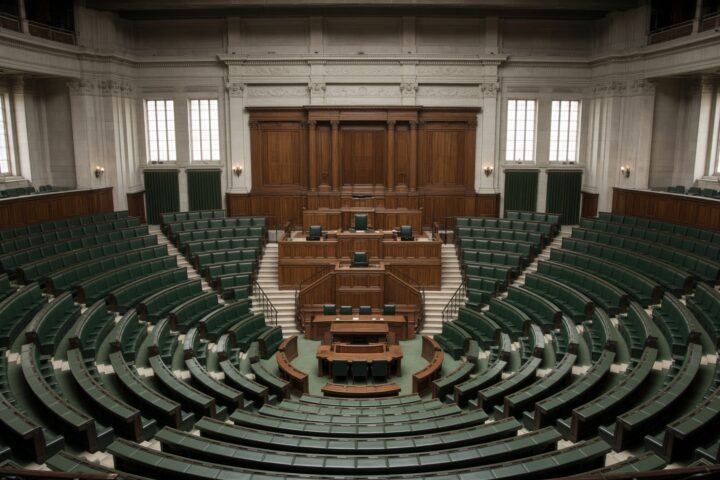
The decision to move the main rise from the traditional summer period to October is a politically calculated one. It places the most unpopular increase after the September 2026 elections to the State Duma, reducing the risk of a direct backlash before voting and allowing the authorities to delay the full impact on household budgets.
War spending competes with civilian needs
The repeated increases reflect a wider budgetary shift. Russia’s rapidly rising expenditure on its war effort, combined with sanctions and restricted access to international finance, is forcing the state to draw more heavily on domestic resources. Money that previously helped contain utility charges or fund infrastructure upgrades is being redirected towards military and defence requirements.
The January rise also demonstrates how the government is using taxation to raise additional revenue. Rather than finding a durable source of funding, the authorities are increasing the financial burden on citizens through both the VAT system and compulsory household payments. The housing and utilities sector is consequently becoming another channel through which the costs of the war are passed to the public.
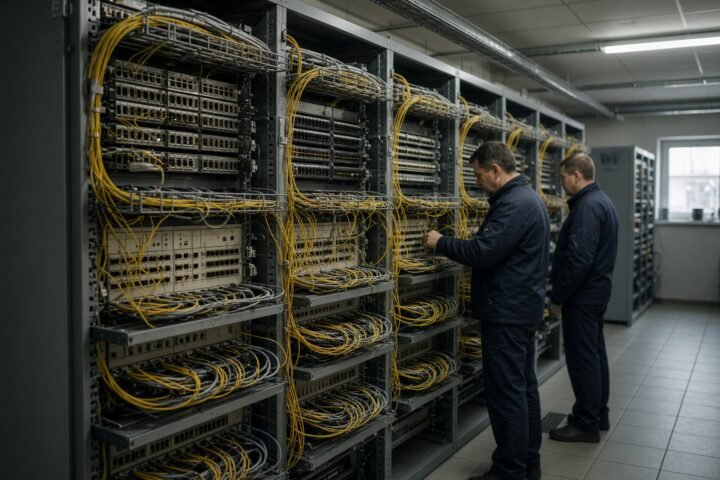
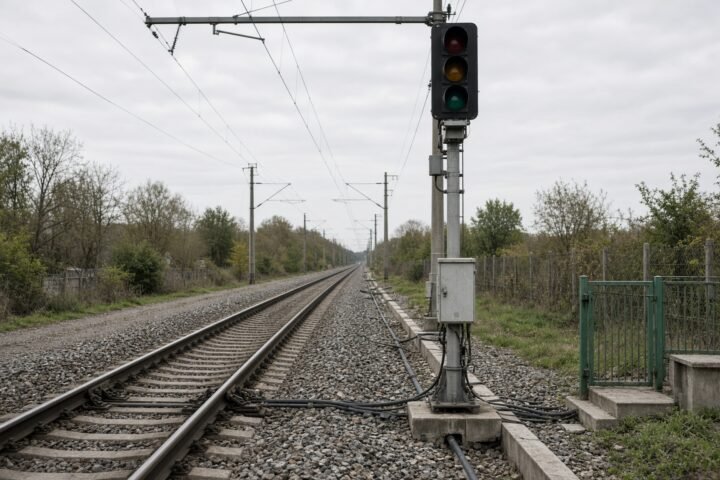
That pressure is arriving as Russia’s communal infrastructure requires substantial investment. The average deterioration of engineering networks and heating pipelines has exceeded the critical level of 60%, while large-scale failures and cases of entire cities freezing at the beginning of 2026 showed the limits of dealing with breakdowns one at a time.
Full modernisation is estimated to require about 9tn roubles, yet only 4.5tn roubles is provided for in the budget through to the end of 2030. As civilian funding is squeezed, households are being made to shoulder more of the cost of renewing infrastructure inherited from the Soviet period.
Households face a sharper squeeze
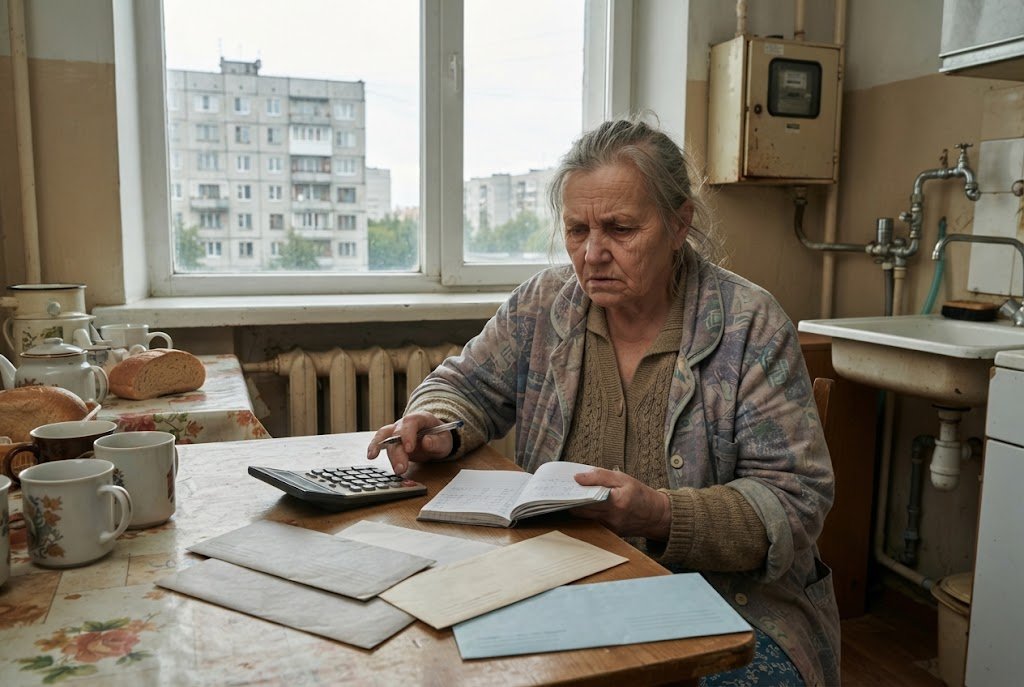
For many Russian families, particularly pensioners and public-sector workers, utility bills are already among the largest regular monthly expenses. A rise of up to 22% in October will further reduce disposable incomes at a time when food and other essential goods are becoming more expensive.
The consequences could include more missed payments, mounting debts to utility providers and a further fall in living standards among the most vulnerable groups. The increase also risks weakening domestic demand, as families have less money to spend on goods and services beyond basic consumption.
The Kremlin’s choice to protect military spending while reducing the relative priority of reliable heating, water supplies and critical infrastructure points to a deeper militarisation of the Russian economy. Higher tariffs may provide short-term relief for public finances, but they leave the country’s communal systems exposed to further failures and put the consequences on residents.
The October adjustment will therefore test more than the affordability of household bills. It will show whether the authorities can continue transferring the costs of a prolonged war to the population without intensifying arrears, infrastructure risks and public discontent.
How far can Russia raise regulated household charges before the financial burden begins to undermine social stability?