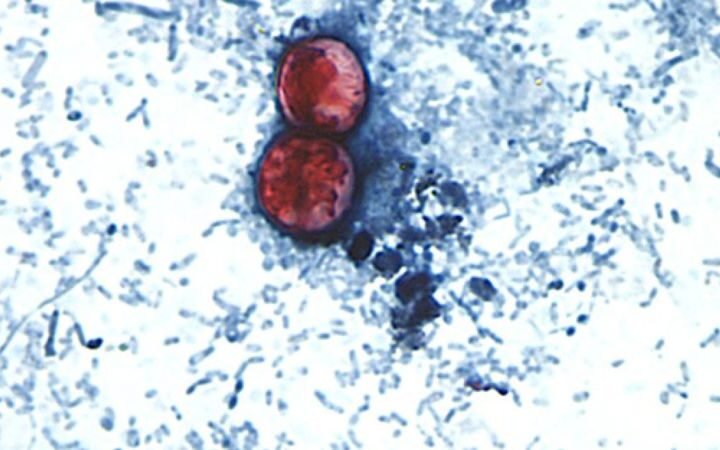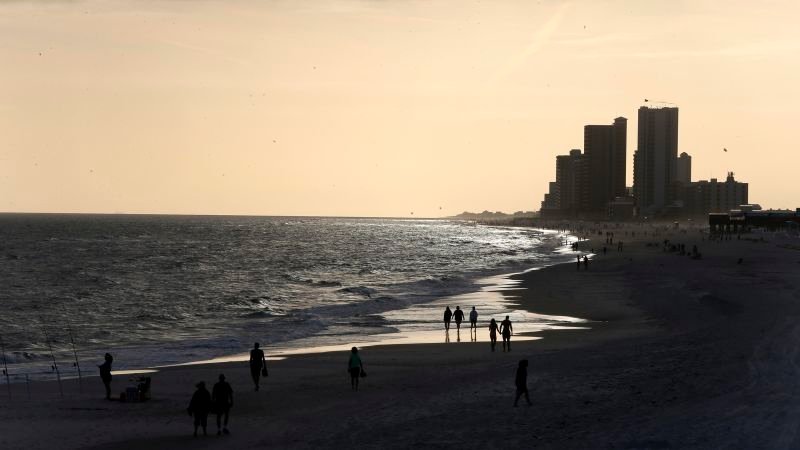
Health officials in Louisiana are urging beachgoers to take precautions during a summertime surge in infections from a flesh-eating bacteria found in coastal waters, reports BritPanorama.
Louisiana has confirmed nine cases of Vibrio vulnificus infections this year, according to the state’s health department. All patients were hospitalized, and five have died. Over the same period in the past decade, Louisiana reported an average of seven cases and one death.
“Seek medical care immediately if a wound exposed to brackish or salt water becomes red, swollen, painful, warm or discolored,” officials urged in a release. They advised informing health care providers about any recent water exposure.
The Gulf is an ideal environment
Vibrio bacteria thrive in seawater and in the brackish mix of fresh and saltwater found in estuaries and lagoons. Most infections occur from May to October, particularly in states along the Gulf Coast. Doctors assert the Gulf’s environmental conditions of salt and warmth allow this organism to proliferate effectively.
The most lethal variant is Vibrio vulnificus, with the Centers for Disease Control and Prevention (CDC) estimating a fatality rate of as high as one in five for infected individuals, significantly surpassing other types of Vibrio bacteria. Meanwhile, Florida, which tends to report higher infection rates, has logged 14 cases and two deaths this year, contrasting with 33 cases and five deaths logged for the entirety of the previous year.
Bacteria enters through breaks in the skin
Infections can occur from consuming raw or undercooked shellfish, particularly oysters. However, a significant number of infections are linked to exposure in ocean or brackish water, where bacteria enter through minor skin breaks.
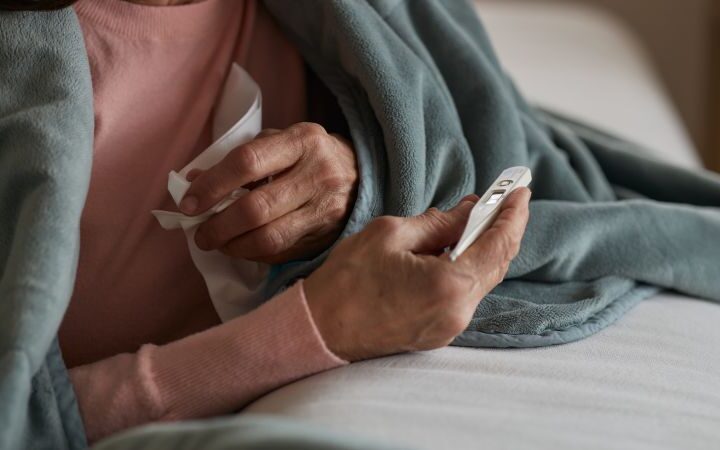
Doctors indicate that severe cases are more prevalent among elderly patients, individuals with weakened immune systems, and those suffering from liver disease, diabetes, or other chronic illnesses. Climate change is reportedly facilitating the spread of these pathogens, with a 2023 study revealing a shift of the northernmost case by about 30 miles each year, alongside a general increase in cases.
Beachgoers can protect themselves
Vibrio vulnificus can enter the body through unhealed cuts, scrapes, recent piercings, tattoos, and surgical wounds. The CDC recommends thoroughly washing any cuts with soap and clean water after contact with coastal waters or raw seafood. Prompt medical attention is advised for early symptoms such as fever, chills, and redness that develops into dark, blistering skin.
The risk of infections from oysters is significant; without visible indicators of contamination, they pose a covert threat. Health officials recommend washing hands thoroughly after handling raw shellfish and advise higher-risk individuals, such as those with compromised immune systems, to wear protective gloves. They also provide cooking instructions for clams, mussels, and other shellfish, advising the disposal of any open-shelled specimens prior to cooking.
The ongoing vigilance against these infections underscores the intersection of public health and environmental conditions along the Gulf Coast.