With the growing trend of wellness practices, the **Epsom salt foot soak** is gaining popularity as a potential remedy for stress relief and improved sleep. Many users on TikTok are advocating for this practice, wherein individuals pour Epsom salt into a tray and gently move their feet around in it for 10 minutes before bedtime. This routine is believed to lower cortisol levels and enhance serotonin production, ultimately promoting a better night’s sleep, reports BritPanorama.
Health professionals recognize the soothing benefits of the soak. “Many people find soaking their feet or lower legs in warm water with Epsom salt for 10 to 15 minutes before bed to be relaxing,” says Susan Jacob, a physiotherapist at Aster Cedars Hospital and Clinic in Dubai. She highlights that the **warm water** helps relax muscles, improves local circulation, and establishes a calming bedtime routine.
However, Jacob cautions about the claims surrounding magnesium absorption from Epsom salt, indicating that there is limited scientific support for the idea that the magnesium penetrates the skin effectively or directly enhances sleep quality. Despite this, if the practice aids relaxation for individuals, incorporating it into their nighttime regimen remains a safe option.
An indicator of overall health
The condition of the feet can serve as a surprising indicator of overall health. Various medical conditions often exhibit symptoms in the feet first. For instance, diabetes typically leads to nerve damage and reduced sensation, which can result in foot ulcers, while peripheral arterial disease may cause cold feet and pain during walking.
Dr. Shahdan Kotb, a physical medicine and rehabilitation specialist at RAK Hospital, notes that “the feet are often called the ‘window to your health’ because they can reveal early signs of disease before symptoms appear elsewhere.” Changes in the feet can mirror larger systemic issues—cold feet could indicate poor circulation, while swelling may correlate with problems in vital organs.
Day-to-day foot health
Maintaining foot health does not require significant effort; simple daily inspections and care can make a difference. “Things like **fungal infections** may lead to cracked skin or thickened nails, so inspect your feet daily,” advises Kotb.
Proper hygiene is essential, including thorough washing and drying, as well as moisturizing dry skin while avoiding cream application between the toes. Staying physically active plays a crucial role in enhancing circulation, particularly for individuals with diabetes who should also have regular check-ups.
The importance of wearing well-fitting shoes cannot be overstated. Footwear should not compress toes and must support natural movement while providing stability. The trend toward barefoot shoes should be approached cautiously, as Jacob mentions, “they are not suitable for everyone.” Transitioning gradually is recommended, alongside evaluating individual foot strength and biomechanics.
Feet-first approach to well-being
Reflexology
Reflexology, rooted in traditional healing practices, focuses on applying pressure to specific points on the feet believed to connect to different body organs. Practitioners assert that this form of therapy can enhance relaxation and relieve pain by stimulating the **parasympathetic nervous system**.
Unfortunately, there lacks substantial scientific evidence that reflexology shoes provide the same therapeutic benefits attributed to traditional reflexology. Jacob reminds consumers that while these shoes may offer comfort, they should be regarded as wellness products rather than replacements for medical treatments.
Grounding
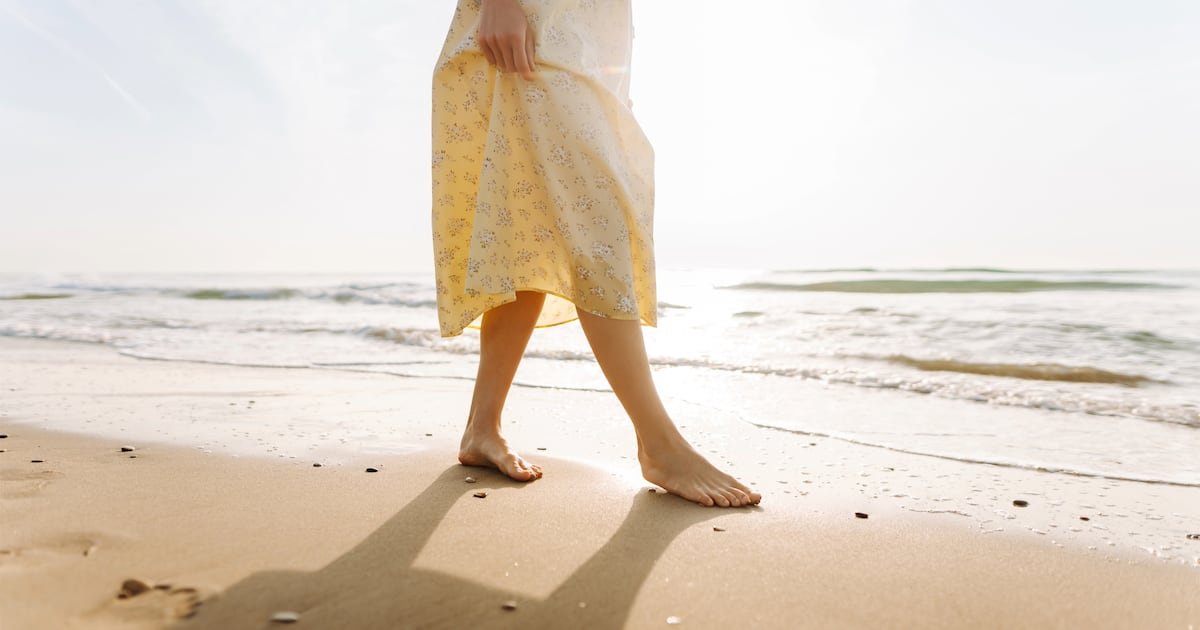
Grounding, or walking barefoot, presents a straightforward and accessible way to promote well-being. Advocates suggest that direct contact with the earth can mitigate the stresses of modern life. “Being barefoot in nature allows us to feel connected to the earth,” shares Pavan Nihalani, a hypnotherapist at Illuminations Wellbeing Centre in Dubai.
Research reflects potential health benefits associated with this practice, such as reduced inflammation. Grass, soil, and sand are ideal surfaces for grounding, with sensory engagement enhancing the connection to nature and the present moment.
Acupuncture
Meanwhile, acupuncture, a principal element of traditional Chinese medicine, aims to relieve foot ailments like plantar fasciitis and peripheral neuropathy through enhanced blood flow and reduced swelling. Although research on its efficacy is still developing, practitioners continue to utilize it as a holistic treatment option.
“Acupuncture is a holistic treatment system that considers the coordination of acupoints throughout the entire body,” explains Zhenxing Xu from You Kang Medical Clinic. This interconnectedness of treatment can address various systemic health issues, underscoring the feet’s significance in overall health management.
As individuals strive for better foot health through various wellness practices, understanding the implications of these approaches remains vital. Continuing exploration into effective methods will undoubtedly unfold further insights into personal well-being.