Labour’s cabinet lacks business experience, concerns raised
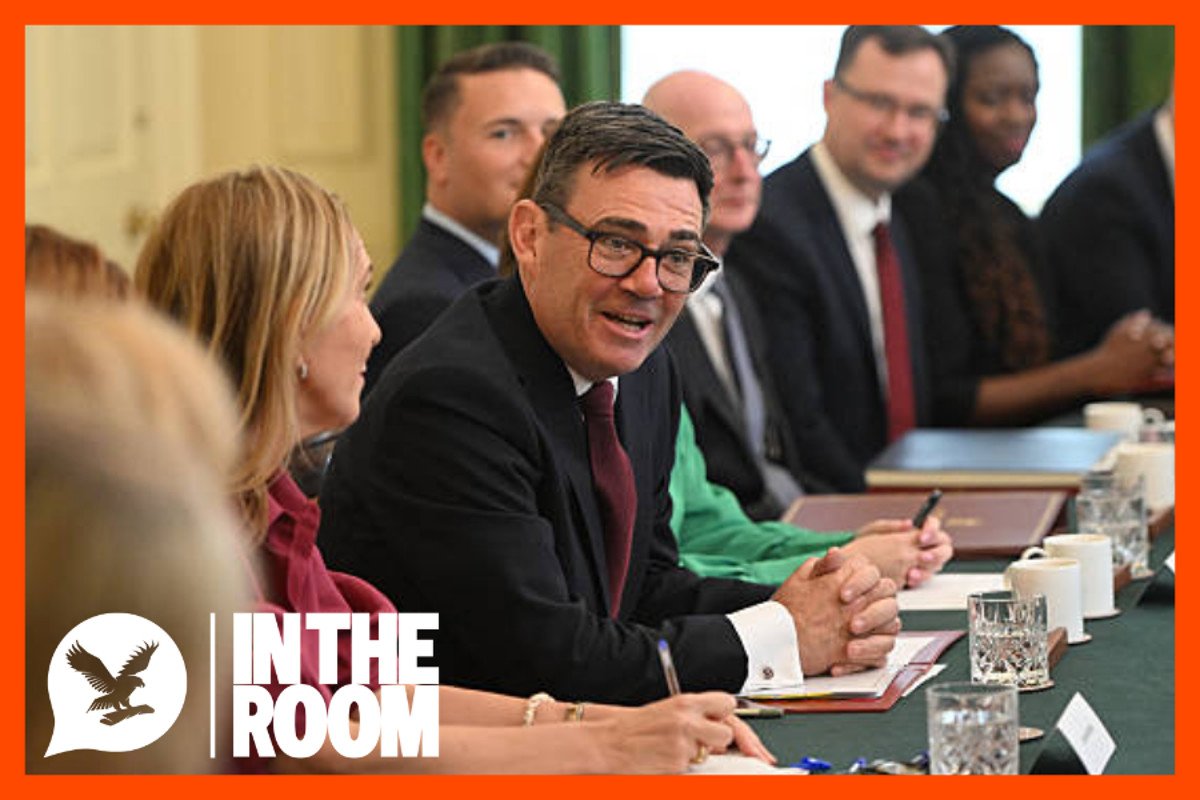
Andy Burnham’s new cabinet has already notched up several milestones. It is the most northern cabinet since the Second World War and includes more women than any before it, reports BritPanorama.
However, one type of experience is notably absent: running a business. Few senior figures in the new government have spent significant time building companies or working as entrepreneurs. Jonathan Reynolds, who has returned as business secretary after previously holding the role between July 2024 and September 2025, is trained as a solicitor.
Nigel Farage has been among the loudest critics of Labour’s limited private-sector credentials. This raises questions about the significance of ministers having direct experience in business.
Jimmy McLoughlin OBE, host of the podcast Jimmy’s Jobs of the Future and former director of business engagement at No 10, asserts that this experience is important. Speaking to Helen MacNamara and Cleo Watson, he stated that while it’s not essential for every minister to have run a business, they must understand those who do.
When asked about Farage’s criticism, McLoughlin acknowledged that it is a concern that none of the ministers have business backgrounds. He added that while it’s valuable for politicians to have business experience, Labour’s lack of established preconceptions might benefit its dealings with the business sector. “Obviously, the Conservative Party is seen as the party of business,” he noted.
McLoughlin explained that the perception of Labour as a “blank canvas” sometimes allows for better collaboration with the business community, which could prefer this flexible approach. He continued to stress that while the party is not hostile to business, it often falls lower on the agenda.
The divide between politics and business begins long before ministers enter government. McLoughlin pointed out that few individuals with private-sector experience are encouraged to enter public office. The evolving landscape of entrepreneurship has changed accessibility, allowing founders to amass wealth earlier in their careers than before.
“You used to have to spend your whole career in business to make the wealth,” he explained. Today, many entrepreneurs achieve significant financial success in their thirties. This shift prompts some to consider political involvement, motivated by a desire to improve the national situation.
McLoughlin acknowledged Labour’s attempts to bridge this gap by bringing in business figures to government roles. For example, Poppy Gustafsson, co-founder of cybersecurity firm Darktrace, served as investment minister until September 2025, and James Timpson, who previously co-led the Timpson Group, was appointed prisons minister.
While he praised Labour’s efforts, McLoughlin noted that external appointments can only supplement the inherent value of having politicians with business experience. “It makes a difference to have people who have run businesses,” he stated.
As the UK navigates complex economic challenges, these questions about governmental expertise in business may hold implications for future policy-making and engagement with the private sector.