All-female chess team reacts to controversial league requirement
Britain’s only all-female chess team has expressed strong dissatisfaction with the “extremely disappointing” requirement to include a male player in order to comply with league regulations after their promotion to the top tier of the sport, reports BritPanorama.
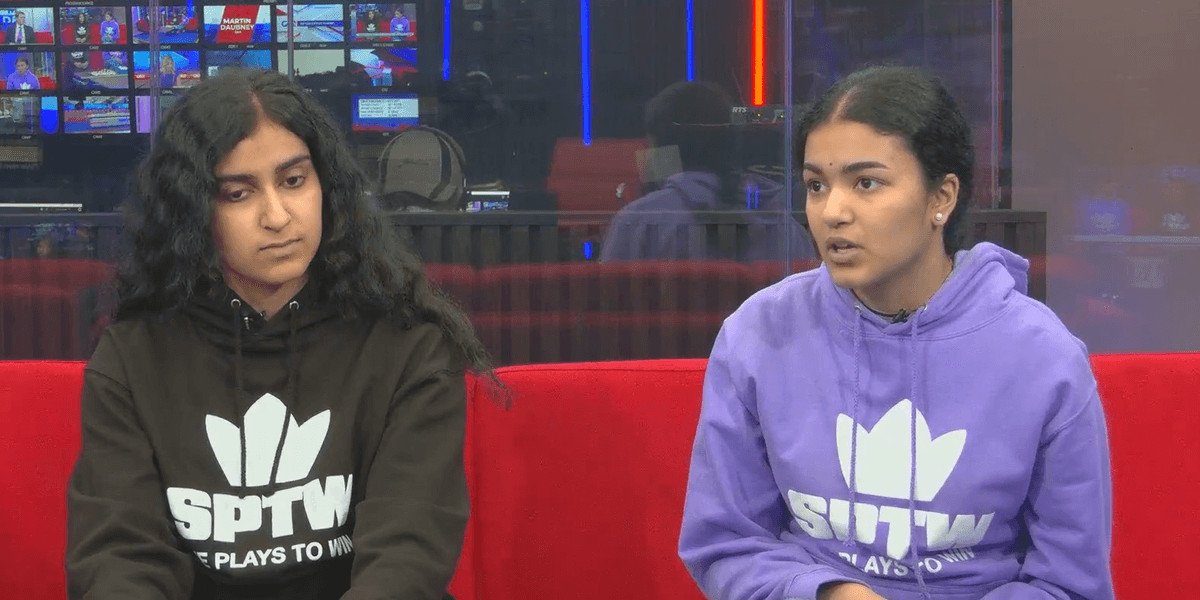
The She Plays to Win Lionesses A Team, who recently secured a spot in the Four Nations Chess League’s first division, now face the challenge of adhering to a gender diversity requirement mandating at least one player of each sex on the roster.
Ironic in its implementation, this rule was originally intended to promote greater female representation within the sport. However, it now obliges the UK’s sole all-female team to make room for a male player, which would necessitate the removal of one of their eight elite female members.
Members of the squad have voiced their dissent, arguing that such a change could undermine the team spirit they have cultivated. They contend that enforcing a male presence could paradoxically deter female participation in chess, undermining the league’s stated objective of inclusivity.
The Four Nations Chess League features teams from England, Wales, Scotland, and the Republic of Ireland, with a dozen squads competing at the highest level. Although female players make up only approximately 11 percent of those with top ratings across all divisions, highlighting the systemic gender disparity still evident in the game, this rule seeks to address that imbalance.
Team member Alisha Vyas recounted her journey within the sport, having started at an all-girls school where chess was integrated into the curriculum. “I know that that’s absolutely, absolutely exceptional,” she stated. Yet, she noted, as she began participating in tournaments, she recognised that she was in the minority.
Another member, Anusha, remarked on the contradiction, stating, “We have fallen victim to this rule.” They are proud of their promotion, yet deeply frustrated that compliance now necessitates the inclusion of a male player as a condition of their success.
Vyas added: “The rule was initially designed to encourage female participation, but now it feels counterintuitive.” She emphasised their aim to inspire younger girls to engage with chess, believing the requirement undermines this mission.
Mike Truran, representing 4NCL, noted that since the league’s inception, there has always been a mixed-team competition requiring teams to field a mix of genders. He stated, “We remain the only league in the UK that we are aware of that encourages female participation in chess by requiring mixed teams.” Truran mentioned recent surveys did not indicate support for altering this rule.
While the intentions behind such regulations aim to foster inclusivity, the practical implications for an all-female team like the Lionesses reflect a deeper challenge regarding gender dynamics in chess. How this will play out in terms of team cohesion and women’s participation in the sport remains to be seen, but for now, the Lionesses are caught in the crossfire of league rules that they feel fundamentally misrepresent their intentions and reality.