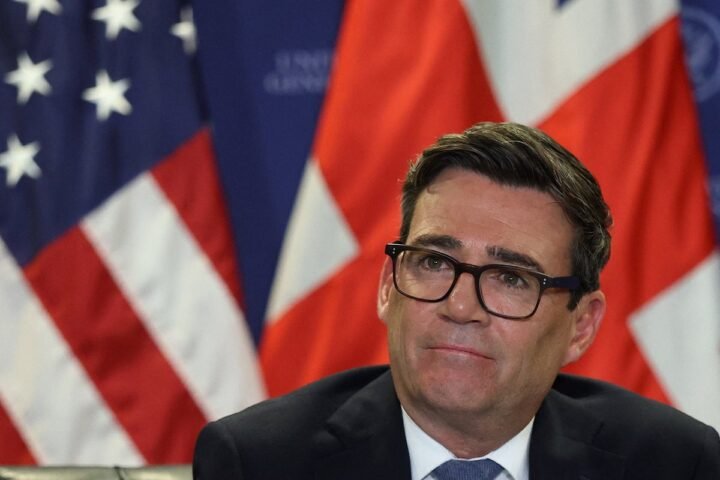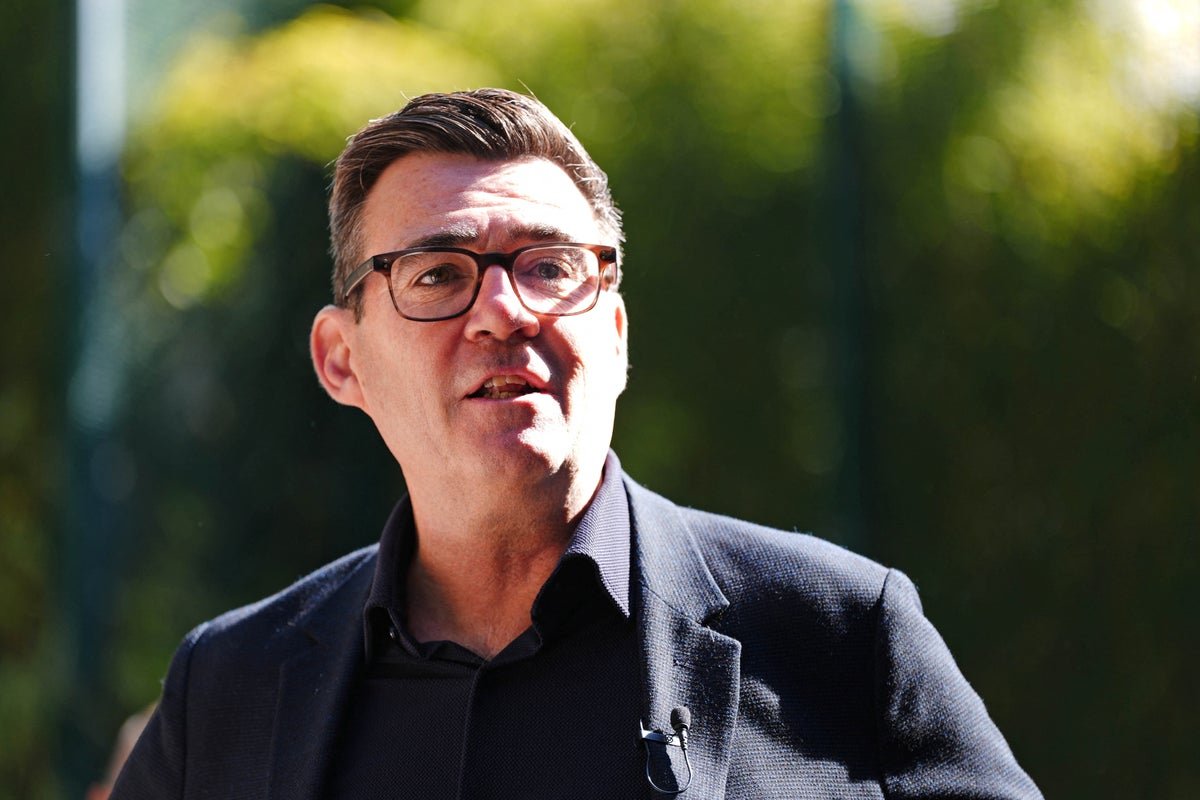
Mayors in England will get to keep a share of taxes collected in their regions to “bring power home” to communities, Andy Burnham has announced, reports BritPanorama.
Under the proposed changes, mayors will receive a share of income tax revenues for the first time, an initiative characterized by the government as the “biggest transfer of power from Westminster in a generation.” Details regarding the exact funding arrangements are yet to be disclosed, but the changes could result in billions being allocated to mayoral authorities across England.
This reform will likely involve a corresponding reduction in grants provided to local authorities by the central government. However, it is expected to offer mayors increased autonomy over spending, which Burnham argues will help them to enhance public transport, construct housing, and generate employment.
The new Prime Minister stated, “I said we’d take power out of Westminster and carry it into every postcode in the country. Today, we make good on that promise.” He emphasized his commitment to address the needs of regions often overlooked by national politicians.
How much could mayors raise?
Financial gains for mayoral authorities may vary significantly based on local business rates and income tax revenues. A report from think tank Re:State recommended allocating 2.5p in every pound raised from the 20p basic rate of income tax back to mayors.
If implemented, this approach could yield an additional £2.38 billion for the Greater London Authority, under the leadership of mayor Sadiq Khan. Estimates suggest Manchester could gain £674 million, and the West Midlands could receive £666 million in similar funding.
Further clarification on the funding model is expected to be unveiled during the Budget announcement on 28 October, with a start date for the initiative set for spring, focusing initially on business rates.
Currently, local authorities retain 50% of the business rates collected in their areas, with the remainder sent to the central government. London retains 37% of its business rates after returns to central government. Trials in Manchester and the West Midlands, which see local authorities keeping 100% of business rates, have demonstrated the potential impact of this fund-sharing model.
Despite these developments, the UK is noted as being the “least fiscally devolved country in the G7,” according to the Centre for Cities, with only 5% of taxes currently devolved—compared to 34% in the USA and Germany, and 41% in Switzerland.
How can the money be spent?
While the Prime Minister highlighted the intention for this additional funding to support public services and investment, many mayors have expressed a preference for issuing tax rebates to their constituents. However, Louise Haigh, the First Secretary of State, indicated that such rebates are “not possible at the moment” and assured that the government would consider future proposals.
Tees Valley Mayor Lord Ben Houchen criticized governmental restrictions, stating, “Last time I spoke to the PM, devolution was about Whitehall not dictating what areas can or can’t do.” He emphasized the need for economic growth through allowing residents to retain more of their earnings.
Contrarily, Burnham has dismissed the idea of tax rebates, advocating for policies aimed at stimulating “growth and investment.”
Among the 14 fully or partially established mayoral authorities, 10 are led by Labour mayors, while two are Conservative and two are from Reform. The Cabinet Office recently outlined in an official document that it intends to establish a strategic authority in every region in England by 2028, though it clarified that it would not impose mayors on areas resistant to such governance. The Cabinet’s plans imply that the powers accessible to mayors will become “commensurately greater.”
As further information is anticipated this autumn, a critical challenge for Burnham will be reconciling differences with local leaders who may not align with his political agenda, while still effecting this power shift from Westminster.