All-female chess team challenged by league rule regarding male player recruitment
An all-female chess team has criticised a controversial league rule after earning promotion to the sport’s top domestic division – only to discover they must recruit a male player to compete, reports BritPanorama.
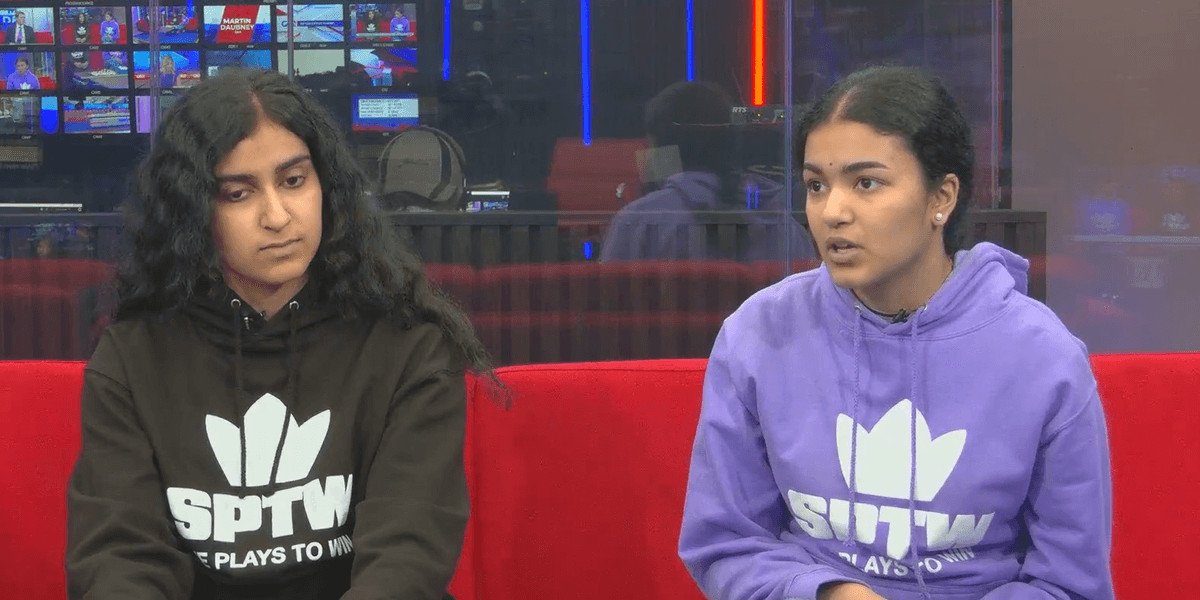
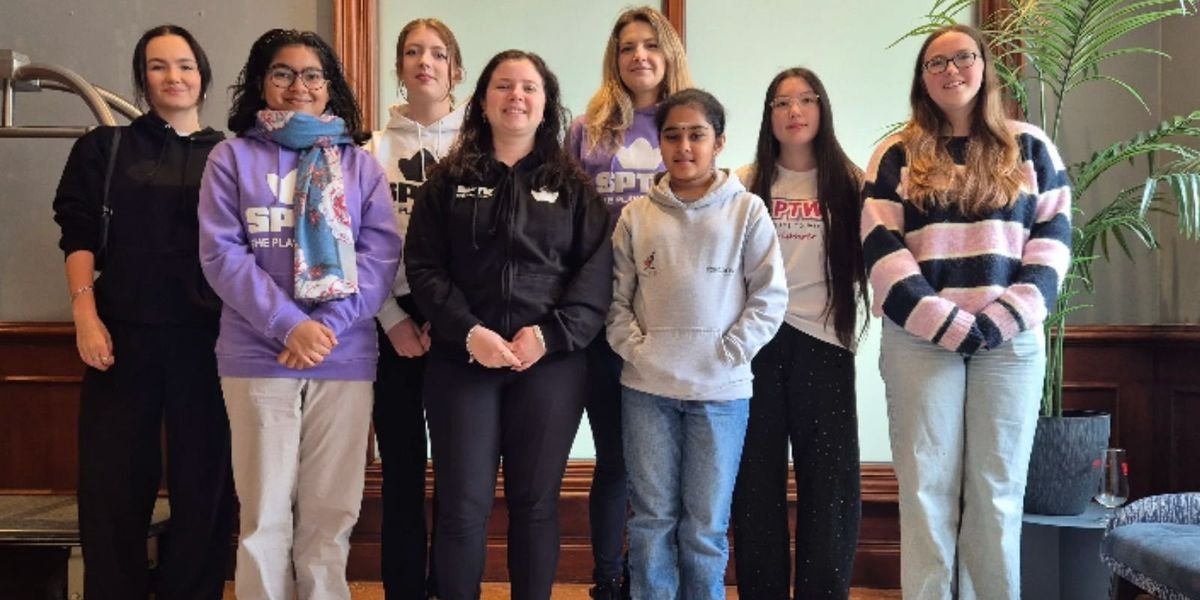
She Plays to Win Lionesses A Team secured their place in Division One of the Four Nations Chess League (4NCL) through promotion on the board, but their success has now been overshadowed by regulations requiring every top-flight side to include at least one player of each gender. This rule means the squad, made up entirely of women, would have to make room for a male player despite winning promotion with an all-female line-up.
Players express that the requirement threatens the identity of a team created specifically to encourage more women and girls to play competitive chess. The 4NCL, which features teams from England, Scotland, Wales, and the Republic of Ireland, currently has 12 clubs competing in its highest division, where women remain significantly underrepresented, accounting for only around 11 per cent of the world’s highest-rated players.
Lorin D’Costa, founder of the She Plays to Win initiative, believes the promotion should have been a moment of celebration rather than compromise. “The Lionesses earned promotion the hard way, but now their reward is losing the thing that makes them special,” he said. The Lionesses were previously permitted to compete with an all-female squad while playing in the second division, provided they also selected at least one player under the age of 18.
For several members of the team, the environment has offered something they struggled to find elsewhere. Nineteen-year-old Alisha Vyas noted her discomfort representing mixed teams where she often felt isolated. “I knew I was only there to fulfil the quota as a woman, and there wasn’t that sense of community,” she stated, appreciating the camaraderie fostered by She Plays to Win.
Emily Maton, 18, insisted the team’s promotion had been achieved entirely on merit, arguing that forcing them to include a man contradicted the purpose of the regulation. “There’s no shortage of male players in the division,” she remarked. “The whole point of the team is to bring female representation when there isn’t really any at all, and they introduced this rule because there weren’t enough female players. It’s going against the entirety of the rule and it undermines what we’re trying to do as a team.”
The Four Nations Chess League has defended its long-standing policy, insisting it was introduced to increase female participation rather than reduce it. Mike Truran, speaking on behalf of the league, stated: “Since its inception in 1994 the top division has always been a mixed-team competition, each team requiring a mix of males and females.” He added that the league remains the only one in the UK that encourages female participation in chess through this requirement.
The league conducted a survey among team captains during the 2025/2026 season regarding potential changes to the rule and found no significant appetite for alteration. “There is no evidence that the rule as it stands discourages female participation in chess,” Truran maintained, asserting that requiring mixed teams actively encourages female involvement.
As this debate unfolds, it poignantly highlights the complexities surrounding inclusion and representation in sports, revealing how even well-intentioned policies can sometimes clash with hard-won achievements and identities. The Lionesses, having proved their mettle in the game, now find themselves entangled in a regulation that, for many, misses the mark entirely. How this situation evolves will be closely watched, as it reflects a broader narrative about the dynamics of gender in competitive arenas.