Speculation intensifies over FIFA presidential challenge
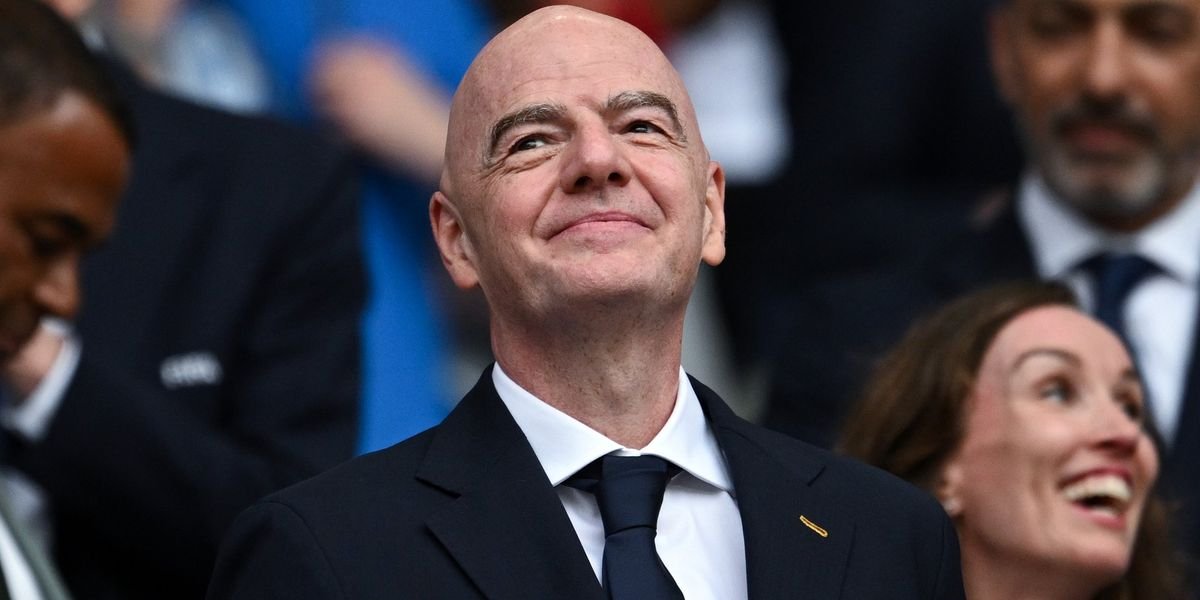
Gianni Infantino’s tenure as FIFA president is facing new scrutiny as senior figures in European football reportedly identify potential challengers, including Paris Saint-Germain president Nasser Al-Khelaifi, ahead of the 2027 presidential election, reports BritPanorama.
The controversy surrounds FIFA’s decision to open commercial rights to flagship tournaments like the World Cup to external investors, which has provoked backlash from UEFA and prominent voices within the sport. The move has raised concerns about governance and transparency within football’s global governing body.
Influential sources suggest Al-Khelaifi is positioned as a serious contender against Infantino. His candidacy represents the growing dissatisfaction over FIFA’s plans, particularly the introduction of the FIFA Forward Enterprise (FFE), a new commercial entity designed to manage revenue from major competitions.
The FFE initiative aims to attract minority investments valued at approximately £15 billion. Infantino defends the plan as a means to democratise football, claiming it will generate revenue for redistribution to FIFA’s 211 member associations, with nations receiving potential funding up to £30.1 million if they back the initiative before the deadline.
Despite these assurances, resistance intensifies across Europe. UEFA has condemned the proposals, stating that the rushed nature of FIFA’s rollout has caused alarm among member nations, some of which may even consider boycotting future World Cups if relations continue to deteriorate.
Al-Khelaifi’s influence is notable; in addition to leading PSG, he holds key positions in the European Club Association and UEFA’s Executive Committee. Observers suggest that the current climate may favour his candidacy. One EU official remarked, “The stars have aligned,” but cautioned that Al-Khelaifi’s decision to run remains uncertain.
While speculation about his candidacy grows, Al-Khelaifi’s camp has attempted to downplay such ambitions. A representative stated he has “no ambition, no intention, no interest” in becoming FIFA president. Nevertheless, the European Club Association has expressed significant concern regarding FIFA’s lack of communication about proposals that could reshape the commercial landscape of football.
Discontent over FIFA’s unilateral decisions has led to calls for more inclusive dialogue with stakeholders, emphasizing the need for collaboration in decisions that affect the fabric of the sport.
In a world where football governance is under intense scrutiny, the landscape ahead presents a curious intersection of ambition, financial interests, and a deeper need for transparency. As the clock ticks towards the 2027 election, the game watches closely: how will the next chapter in FIFA’s history be written?