Concerns mount over proposed rule limiting federal science funding
A new rule proposed by the Trump administration could significantly restrict international collaboration in scientific research, raising alarms among American scientists. The proposal, which has been met with immediate objections, grants political appointees the authority to determine funding priorities and potentially terminate ongoing grants, hindering the progress of critical research, reports BritPanorama.
The implications extend beyond physics, threatening various fields dependent on federal funding, including health and environmental sciences. Prominent physicists, including those involved in the landmark Higgs boson discovery, have voiced concerns that the rule would lead to a significant loss of American leadership in scientific innovation.
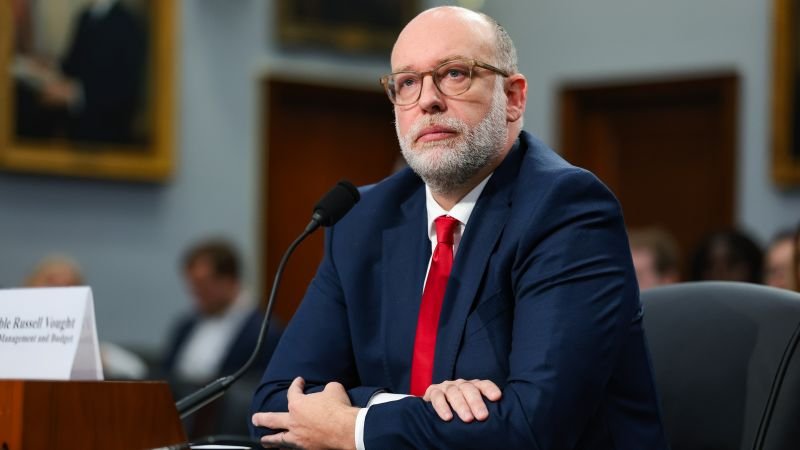
Under the proposed changes, scientists could find themselves sidelined as the Office of Management and Budget (OMB) assumes expanded control over grant allocation, allowing political considerations to dictate what research is funded. University of Chicago physics professor David W. Miller warns that this shift compromises the merit-based peer review process that has historically guided federal science funding.
The proposed rule has gathered nearly 500,000 public comments, with many experts highlighting that the changes could reverse decades of progress in scientific cooperation. “These experiments take decades to build and require sustained, cooperative international investment,” Miller stated. “The United States will not just fall behind. It will step aside.”
Critics of the rule caution that shifting grant oversight to political appointees undermines the scientific rigor needed to advance research. They argue that the proposed changes aim to address issues that may not warrant such a drastic overhaul, while also threatening vital collaborations that have defined advances in fundamental research.
The OMB defends the changes as necessary to ensure that taxpayer money is allocated effectively and intended to combat perceived political bias in funding decisions. However, many researchers worry that this approach could stifle innovation and exacerbate existing inequalities in scientific funding.
As the deadline for implementing the rule approaches, pressure mounts from various sectors to reconsider its ramifications. The future of American science funding hangs in the balance as the OMB weighs public feedback against the administration’s agenda.
If enacted, the rule could reshape the landscape of scientific research in the U.S., limiting the collaboration essential for breakthroughs that benefit society at large. The ongoing debate reflects broader tensions surrounding government influence in scientific inquiry, with implications that could resonate for years to come.