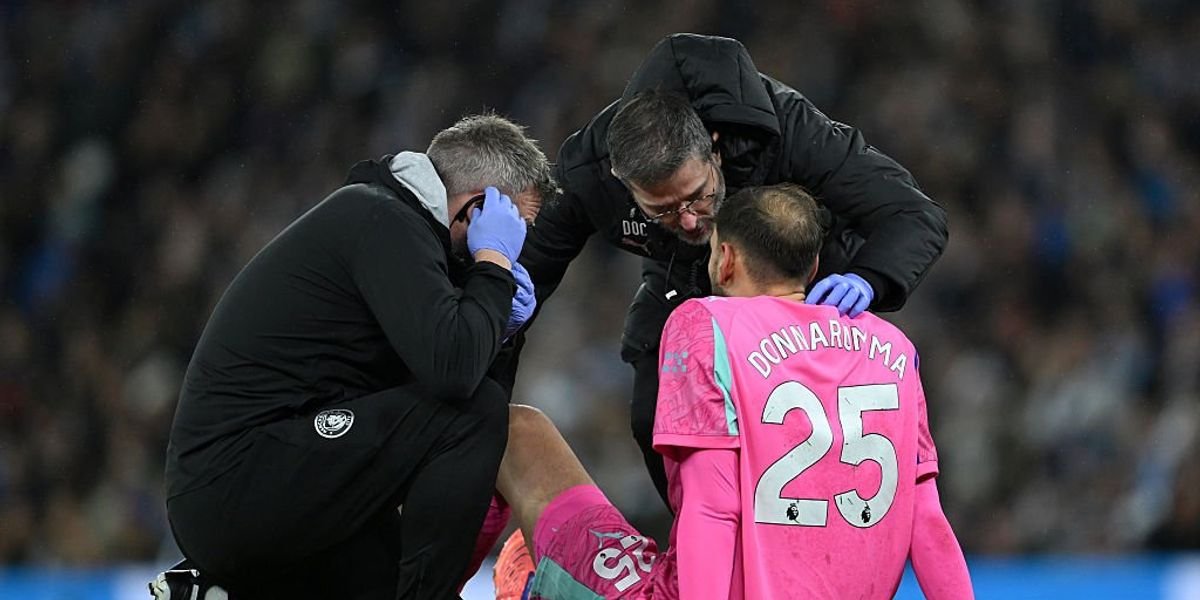
New trial to address goalkeepers’ time-wasting in English football
English football is set to introduce a new trial measure this season to stamp out goalkeepers’ tactical time-wasting, reports BritPanorama.
Under the scheme, an outfield player from the goalkeeper’s team will be required to leave the pitch for one minute whenever their keeper receives on-field treatment from the physio. This initiative has been backed by the Football Association, Premier League, English Football League, National League and Women’s Super League, after the International Football Association Board (IFAB) granted permission for the trial to proceed.
Howard Webb’s Pro Ref organisation led discussions with the various leagues to identify an effective response to the practice of goalkeepers going to ground and calling for medical attention, a tactic that has become increasingly common. When a referee waves the physio onto the pitch for a goalkeeper, the team’s manager will have just 10 seconds to select an outfield player to temporarily withdraw, communicating the decision to the fourth official. Should the coach fail to nominate someone within that time frame, the team’s captain will be obliged to step off the pitch instead.
The trial will commence this Saturday, with Tranmere hosting Rochdale in the Carabao Cup preliminary round. It mirrors existing rules where outfield players must temporarily leave the field for treatment from medical staff.
The emergence of this initiative follows concerns regarding goalkeepers who appear to feign injuries to disrupt play and deliver team strategies during match flow. Last season, Leeds United manager Daniel Farke accused Manchester City’s Gianluigi Donnarumma of employing this tactic to “bend the rules” during competitive play.
Pierluigi Collina, IFAB’s head of referees, recently stated that tackling goalkeeper timeouts was a priority. Despite previous measures at the 2026 World Cup intending to prevent players from approaching the technical area, it became clear that simply doing so would not deter managers from exploiting goalkeeper treatment breaks.
Several exemptions have been outlined for the trial, including instances where the goalkeeper declines treatment, suffers a foul necessitating immediate attention, is bleeding, or sustains a serious injury requiring substitution. However, concerns remain that the new rule could lead players to continue playing through injuries instead of seeking needed medical attention.
Australia’s A-League is also considering a variation of this rule, where the captain must always be the player withdrawn. IFAB plans to review the trial’s outcomes throughout the season, with a view to a permanent law change by the 2027-28 season.
As this initiative unfolds, it highlights the delicate balance between maintaining the integrity of play and the willingness of players to prioritize their health in the heat of competition. It’s a reminder that in football, as in life, the rules are often tested by the very nature of the game.