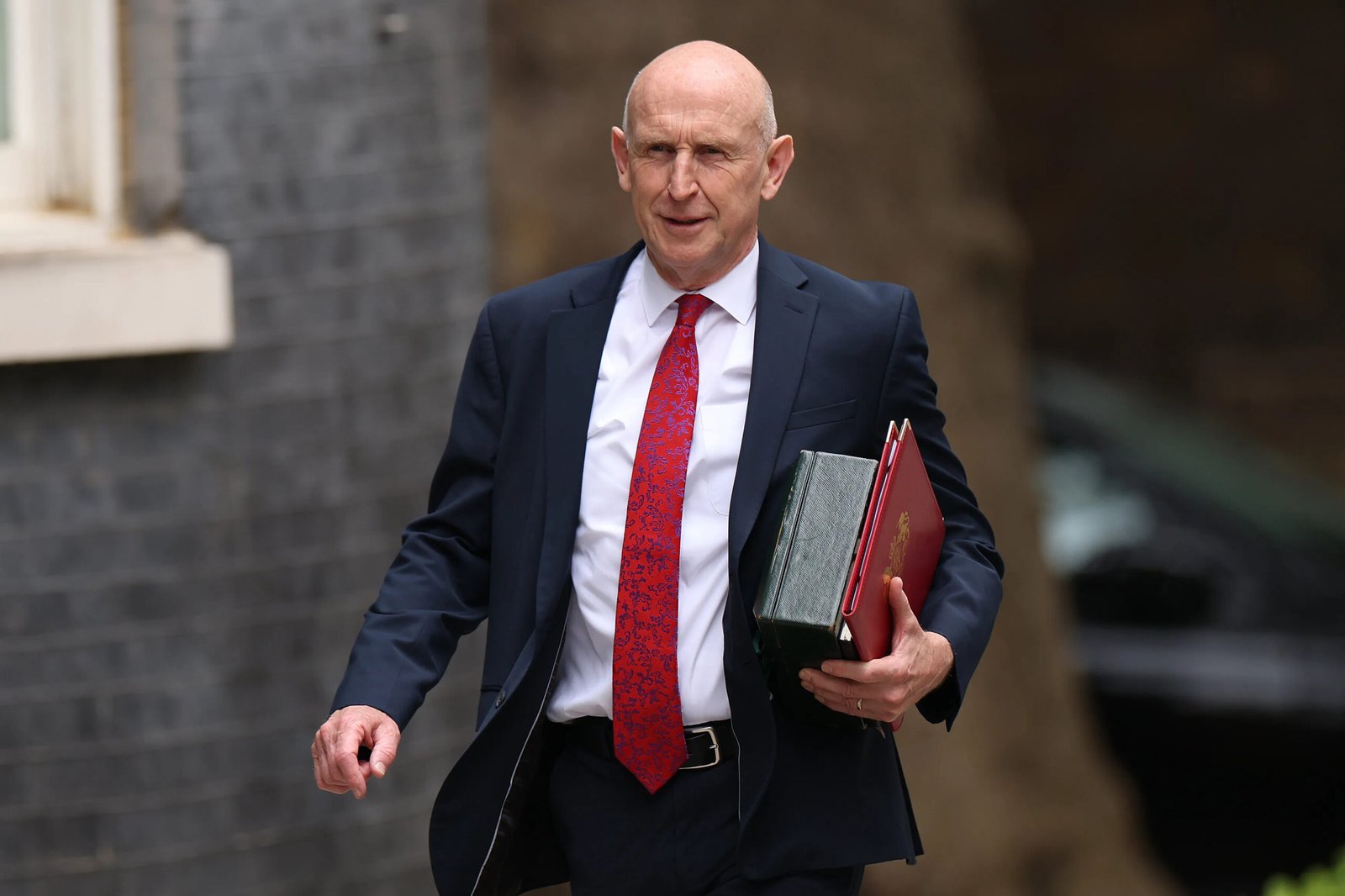
Chancellor John Healey has announced a comprehensive initiative to prioritise British procurement, aiming to boost domestic employment and support local businesses on an unprecedented scale, reports BritPanorama.
In his inaugural interview since assuming the role under Prime Minister Andy Burnham, Healey emphasised his commitment to transforming government spending to create new jobs across the UK. He articulated a vision for a “buy British” strategy, asserting that every pound spent will directly contribute to strengthening the UK economy.
Reacting to the widespread negative sentiment surrounding the ongoing cost-of-living crisis, Healey expressed his determination to instil a sense of optimism among citizens. He stated, “We will make every government department a growth department – backing Britain.” With this approach, he aims to inspire renewed confidence in the economic outlook.
Healey’s past as Defence Secretary underscores his commitment to British jobs; during his previous tenure, he successfully directed a significant portion of defence contracts towards UK firms, with 86 percent of 1,200 contracts awarded domestically. He now intends to replicate this “buy British” approach across all government departments.
His focus extends beyond merely addressing economic despair; he claims to be equally concerned with the cost of business. “Where we make government policy and government decisions can help raise levels of investment, innovation and profit in British business,” he remarked.
As Burnham settles into his new role as Prime Minister, he has quickly initiated policies targeted at alleviating the cost of living, such as capping bus fares and reducing VAT on electricity. These measures are seen as an attempt to provide immediate relief to families grappling with rising costs, encapsulating the government’s desire to be seen as responsive to public struggles.
The ambitious agenda set forth by the Burnham administration echoes a broader theme of economic revitalisation, with both leaders framing their policies as a means of fostering hope for the future. “This is about demonstrating how to lift the pessimism that people feel about their own prospects and the places they live,” Healey explained.
However, questions remain regarding the practical implications of these ambitious spending commitments, particularly in light of the need for fiscal accountability. Healey has assured that he will uphold Labour’s tax pledge, which prohibits increases in income tax, VAT, or National Insurance Contributions, yet the path for sustained period economic revitalisation continues to raise concerns among analysts.
The recent political landscape has been tumultuous, with Burnham becoming the seventh Prime Minister in a decade, marking an era of instability in British governance. Following Sir Keir Starmer’s resignation, Burnham’s swift ascent signifies a response to widespread voter dissatisfaction with political infighting.
While Healey’s emphasis on devolution aims to reconnect governance with the public, political analysts caution against potential pitfalls. “There is no doubt about it that government can do better, that politics can do better – and must,” he acknowledged.
As the Burnham administration embarks on an ambitious agenda amidst economic uncertainty, the effectiveness of these measures in rebuilding public trust and delivering tangible change remains to be seen.
Ultimately, the challenges facing the new government encapsulate a broader struggle for Britain’s political future, as voters increasingly demand accountability and substantive action rather than rhetoric.