Houthi missile attack on Saudi Arabia amid escalating tensions
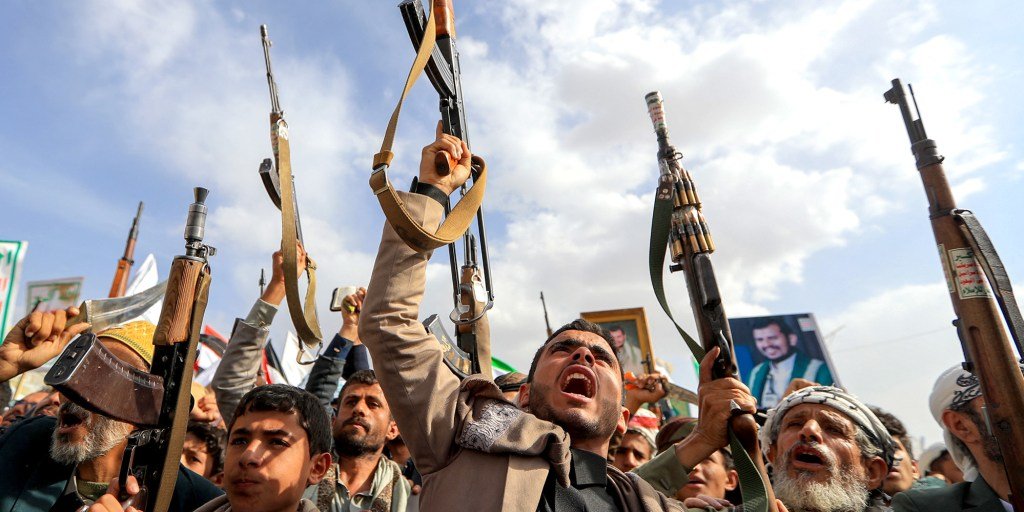
Yemen’s Iran-backed Houthi rebels have launched missiles and drones at Saudi Arabia in retaliation for Saudi airstrikes on the strategic Red Sea city of Hodeida, marking a significant escalation in the ongoing conflict over vital shipping routes in the Middle East, reports BritPanorama.
Brig. Gen. Yahya Saree, the Houthis’ military spokesman, stated in a recorded message on Saturday that the assault targeted facilities of Aramco, the world’s leading oil company, located in the Red Sea cities of Yanbu and Jizan. Saudi Arabia did not provide an immediate response. Meanwhile, alerts were activated multiple times early Saturday in both Yanbu and Jizan, according to the Kingdom’s civil defense.
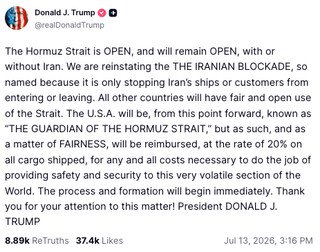
Notably, there were no reported strikes overnight in Iran, suggesting a pause after nearly two weeks of consecutive U.S. attacks amid rising tensions following incidents in the Strait of Hormuz.
The escalating tensions in the Red Sea could potentially disrupt global shipping, as Houthi leaders have threatened to block the Bab el-Mandeb Strait to vessels associated with Saudi Arabia. This strait is a crucial chokepoint at the southern tip of the Arabian Peninsula, with approximately 12% of global trade — including a quarter of all container traffic — traversing these waters.
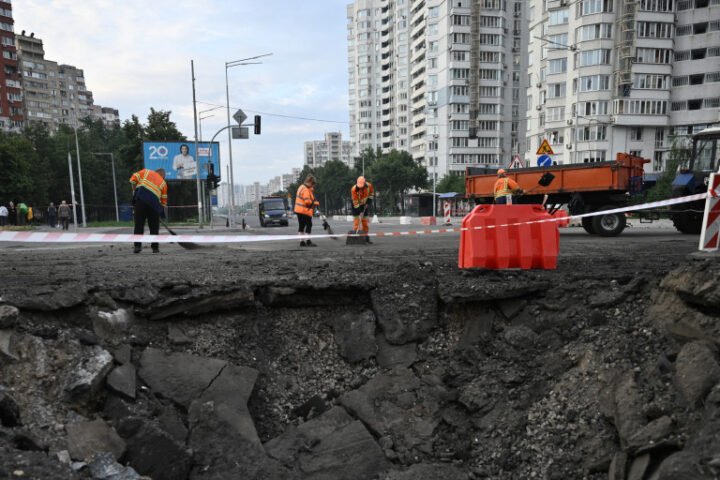
This week, the Houthis targeted two Saudi oil tankers in the Red Sea, prompting Saudi airstrikes on Hodeida, as reported by the Saudi-led coalition operating in Yemen. The attacks late Friday hit the city’s port and the state telecommunications corporation, injuring two individuals, according to Anees al-Asbahi, a spokesperson for the Houthi-run health ministry.
The Saudi-led coalition claimed it did not target the port but instead struck “legitimate military targets” in Hodeida province that posed threats to commercial shipping in the Red Sea.
Further complicating the situation, Iranian Foreign Minister Abbas Araghchi urged a resolution to the Yemen conflict through “diplomacy and dialogue” without resorting to military confrontations, according to an interview published Saturday in the state-run Iranian newspaper. In a more localized context, Iranian Health Ministry spokesperson Hossein Kermanpour asserted that “Iran had a peaceful night,” posting this on X early Saturday.
The U.S. Central Command has yet to comment on the situation but notably did not announce any new strikes, contrasting its actions from the previous 13 nights. The fragile ceasefire that had emerged in the conflict, following intensifying American and Israeli attacks on Iran, appears to be deteriorating. Iran faced allegations of targeting three ships in the Strait of Hormuz, prompting a U.S. response that included striking numerous targets within Iran.
In a related series of events, the U.S. military was engaged in a maritime confrontation on Friday, firing on a merchant vessel in the Gulf of Oman attempting to breach a renewed blockade of Iranian ports, while Iran targeted U.S.-aligned Gulf Arab nations.
Amid these tensions, U.S. embassies in the Middle East warned American nationals in the region that options for departure could become increasingly limited, and Iran’s Revolutionary Guard advised residents of adjacent countries to avoid military bases housing U.S. troops.
The war has claimed over 3,400 lives in Iran, with casualties also reported among U.S. service members, Israeli civilians, and others across the region. In Lebanon, the conflict has resulted in more than 4,000 deaths, including 38 Israeli troops, largely attributed to retaliatory actions by Hezbollah militants supporting Iran.
This situation illustrates the complex and evolving nature of regional conflicts in the Middle East, where diplomatic solutions seem increasingly elusive amidst rising hostilities and a humanitarian toll that continues to mount.