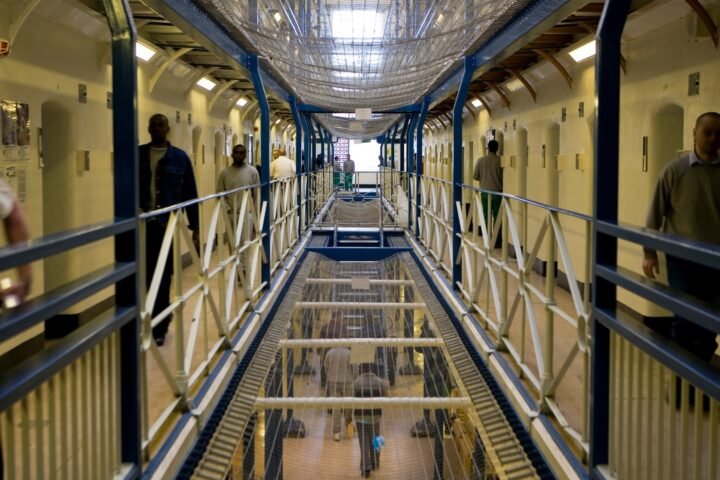
In a significant policy reversal, Prime Minister Andy Burnham has paused plans to release approximately 5,000 prisoners early, following public outcry and concerns regarding certain violent offenders potentially benefiting from the scheme, reports BritPanorama.
The decision came after it was revealed that some of those eligible for early release included two individuals convicted for the manslaughter of PC Andrew Harper, who was killed on duty in 2019. The controversial release was set to begin on September 2.
PC Harper was killed after being dragged by a car during a burglary response, just days before his honeymoon. The case has drawn significant public attention and criticism, particularly after the widow of PC Harper, Lissie, campaigned for justice, resulting in legislative changes intended to impose stricter penalties for crimes against emergency workers.
Aileen O’Connor, chair of the Thames Valley Police Federation branch, welcomed Burnham’s decision, stating that police officers will be relieved that the government is addressing their “significant concerns.”
“The smirking lowlifes that killed our colleague should be serving every minute of their sentences,” O’Connor added, echoing the frustration felt by many in the law enforcement community regarding the early release considerations.
Victims’ Commissioner Claire Waxman expressed relief that the scheme’s suspension would alleviate fears among victims and survivors who had been informed they might face earlier releases of their offenders. Waxman emphasized the unacceptable burden victims carry in light of perceived failures within the justice system.
“I am now seeking urgent clarity from ministers about what this decision means for victims, the timetable for what happens next, and how they will be protected and kept informed,” Waxman stated, highlighting the need for certainty and safety for victims.
Domestic Abuse Commissioner Dame Nicole Jacobs criticized the initial plans, asserting that they could have risked the safety of survivors. She insisted that the government needs to strongly consider the potential dangers posed by domestic abusers who might be released without adequate safeguards.
Burnham’s announcement marks a notable shift after his administration faced continuous pressure regarding prison overcrowding and the necessity of the early release policy. He stated, “Keeping the public safe will always be my top priority,” and confirmed a comprehensive review of the policy would be undertaken.
Despite previous assertions that such measures were critical to alleviate prison overcrowding, the decision to pause reflects a deeper recognition of public sentiment regarding violent offenders, particularly in relation to high-profile cases like that of PC Harper.
The government is now tasked with evaluating which categories of offenders may ultimately be excluded from the early release scheme, amidst demands for exemptions for those convicted of serious crimes, including murder and sexual offenses.
The scrutiny of the early release policy underscores a broader conversation about balancing justice reform with public safety and the rights of victims. As considerations move forward, the emphasis will likely remain on securing the confidence of the public and ensuring that the needs of victims receive priority in any future decisions.
As this issue evolves, it continues to reveal the complexities inherent in the justice system, where the push for reform must contend with public safety concerns, particularly in cases involving severe crimes against individuals in emergency services.