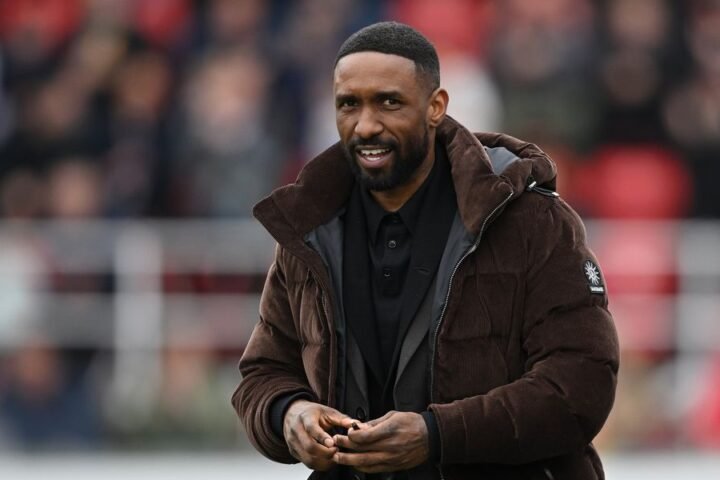
Wes Streeting made his first speech as Britain’s new defence secretary on Wednesday, joking about how his department’s budget played a role in recent turmoil, reports BritPanorama. John Healey, who is now chancellor, resigned as defence secretary on 11 June in protest at Keir Starmer’s refusal to spend more on military needs. “I certainly feel like we’ve got a firm friend in His Majesty’s Treasury,” Streeting quipped.
Healey’s departure was a significant blow to Starmer’s administration, leaving the prime minister’s position increasingly fragile. Now in his role as chancellor, Healey transitioned from a vocal critic to a guardian of public finances, raising questions about how supportive he will be towards Streeting and the armed forces.
What has Healey said?
In his new role, Healey has been largely silent. However, his resignation letter to Starmer made his stance clear: “You have been unable, and the Treasury has been unwilling, to commit the resources that the nation needs to defend the country at this time of rising threats.”
He emphasized the need for a robust Defence Investment Plan, stating it must address increasing operational demands while meeting the new Nato commitment of 3.5 percent of GDP by 2035. “I am certain that a headmark date for 3 percent of GDP on defence in 2030 is what Britain must set,” he added.
What will Healey do?
Much will depend on the priorities set by Andy Burnham, who has already pointed to pressing social issues such as rough sleeping and social care that require substantial funding, potentially limiting resources for defence. Concurrently, the UK faces the challenge of honouring its commitments to Nato and addressing the aggressive posture of Russia.
While Burnham’s influence is notable, Healey’s political capital is substantial as well; a second resignation concerning defence could trigger a crisis for the government. The interplay between defence spending and Burnham’s ambition to “reindustrialise” Britain underscores the complexity of their positions.
The likelihood is that Healey and Burnham will revisit the social security reforms discussed prior to their leadership change, attempting to balance immediate defence needs against the backdrop of potential resistance from Labour backbenchers regarding welfare cuts. Moving from “welfare to warfare” was not the slogan that prompted their ousting of Starmer.