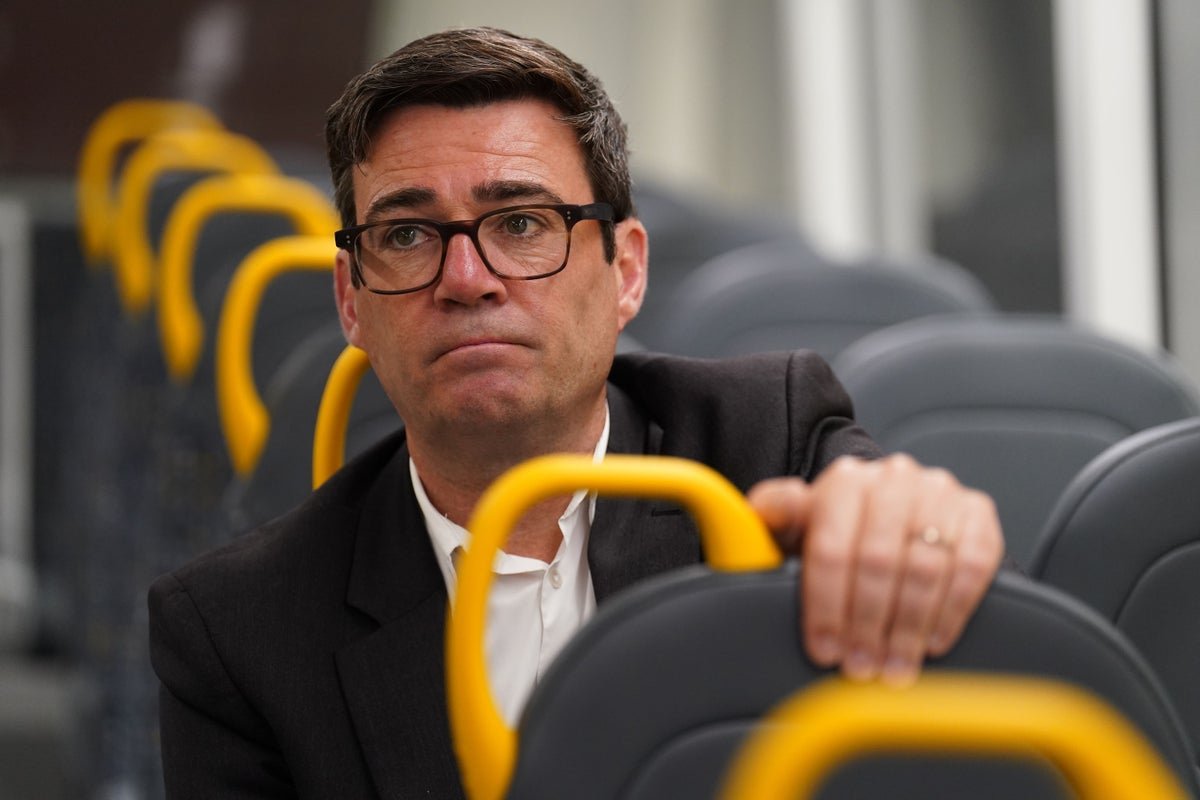
Most bus fares in England capped at £2 from January
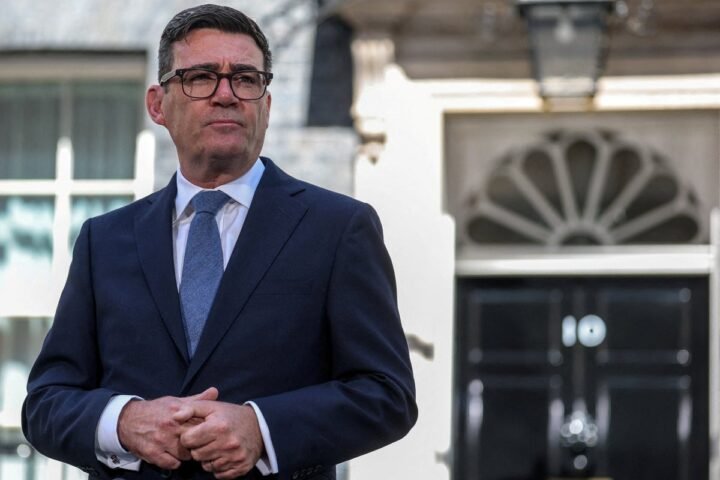
Most bus fares in England will be capped at £2 from January, Prime Minister Andy Burnham has announced, reports BritPanorama.
The current nationwide cap on single bus fares stands at £3 until the end of March 2027. However, certain areas, including London and Greater Manchester, where Mr. Burnham has previously established a £2 limit as mayor, already have lower maximum fares.
“Good, affordable transport links are essential. No one should be priced out of those and left behind,” Mr. Burnham stated.
The £2 cap is backed by £454 million in funding, which includes provisions for devolved governments to implement similar measures.
Of the total funding, £400 million will be sourced from reallocating international climate finance into loans, with the remaining amount drawn from savings in the Department for Energy Security and Net Zero budget. The total cost of the scheme is expected to surpass £500 million, with additional financing provided by the Department for Transport’s existing bus budget.
The cap will remain in place throughout 2027, reversing a previous fare increase instituted by Sir Keir Starmer and Rachel Reeves in 2024.
A £2 cap had been effective between January 2023 and December 2024. The incoming Labour administration originally deemed it unaffordable; however, several metro mayors, including Burnham, chose to continue subsidising the lower fares in their regions.
Chancellor John Healey highlighted that “millions of people” would benefit from the fare reduction and argued that the policy is financially sustainable.
“This action to ease the cost of living is funded by savings made elsewhere, so there’s no burden to British taxpayers, just pounds going back into their pockets,” he noted.
Transport Secretary Heidi Alexander emphasized that the initiative would simplify and reduce costs for everyday journeys.
On a related note, Mr. Burnham recently declared his intent to lead a “cost-of-living Government” following his announcement of an £850 million tax cut on electricity bills.
Starting October 1, electricity bills will be exempt from VAT, which is expected to save households approximately £45 annually, a move aligned with the new Prime Minister’s commitment to alleviate cost-of-living pressures.
However, Darren Jones, an ally of former Prime Minister Sir Keir Starmer, who lost his Cabinet position upon Burnham’s appointment, described the policy as “unfunded.”
In his inaugural Cabinet meeting, Mr. Burnham reiterated the need for ministers to communicate that “help is coming” to the public. He committed to demonstrating the funding mechanisms for policies aimed at supporting financially strained individuals.