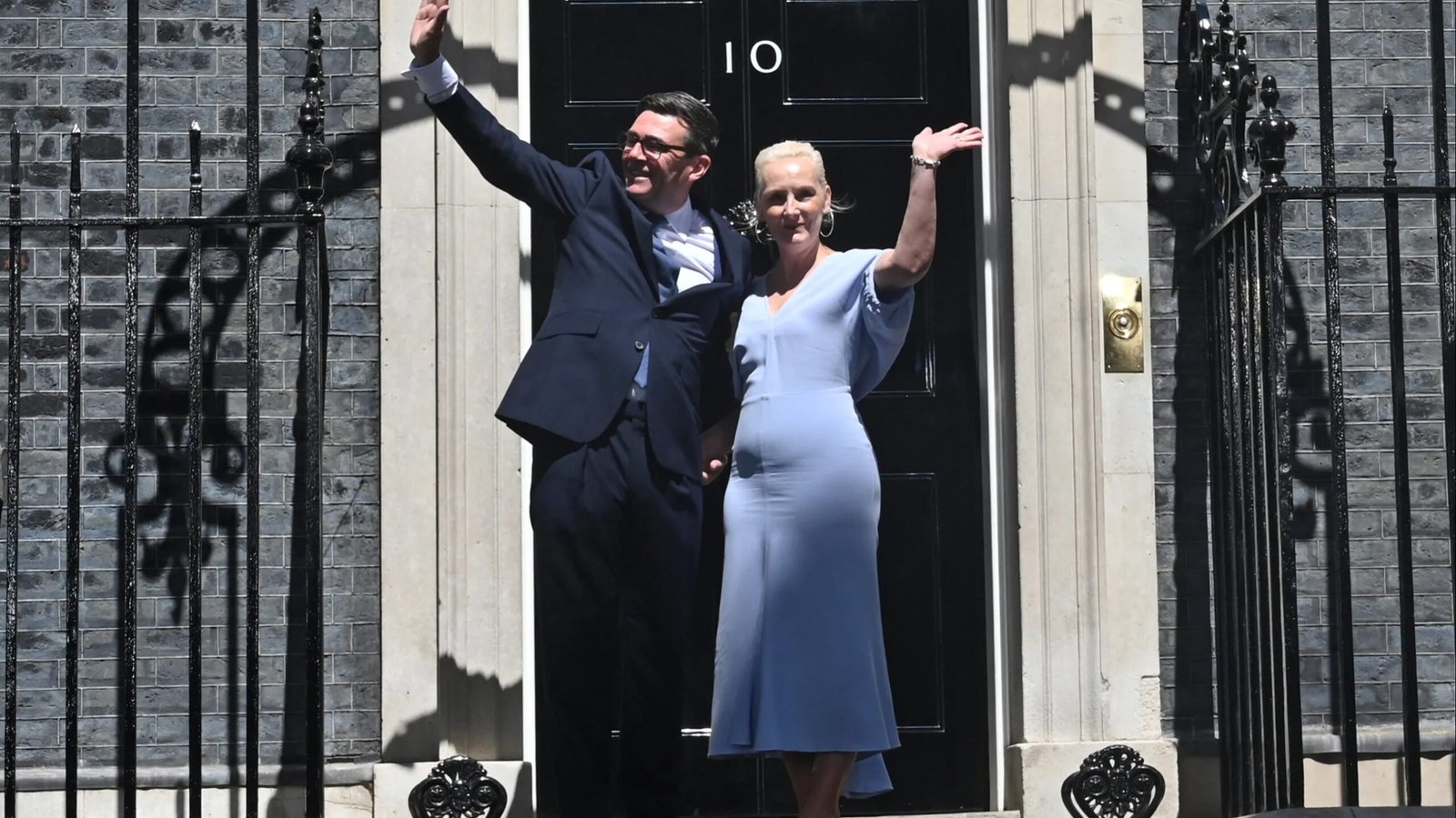
Andy Burnham commenced his tenure as Prime Minister with a significant reshuffle, executing a purge of notable allies from the previous administration of Sir Keir Starmer, reports BritPanorama.
In a move that surprised many in Westminster, Burnham announced the appointment of John Healey as Chancellor after the dismissal of Rachel Reeves. This shift marks a decisive change in leadership as Burnham aims to consolidate his government.
The reshuffle saw eco-focused Ed Miliband seeking the Treasury role but instead being assigned as Foreign Secretary. Meanwhile, Shabana Mahmood retained her position as Home Secretary, tasked with continuing reforms in the immigration system.
Reeves was a key figure within Starmer’s team, and her ousting reflects Burnham’s intention to distance himself from the previous administration. Alongside her, several other Cabinet members, including David Lammy, Lord Hermer, and Hilary Benn, were also removed from their posts.
Burnham’s new appointments included significant returns for Angela Rayner as Housing Secretary and Louise Haigh as Chancellor of the Duchy of Lancaster, both of whom faced previous resignations under Starmer. These decisions are seen as part of Burnham’s strategy to reinvigorate his Cabinet with trusted allies.
Surprisingly, Healey’s appointment comes just a month after his resignation as Defence Secretary amid budget disputes on military spending. Sources close to the Prime Minister indicated that Healey’s prior experience within the Treasury is expected to benefit the government’s goal of fiscal discipline combined with economic growth.
During his initial remarks outside Downing Street, Burnham underscored his commitment to addressing the cost-of-living crisis and reforming various sectors, including education and mental health support for young people. He detailed plans for immediate action, aiming to provide relief for families amid ongoing economic challenges.
Yet, the broad scale of the reshuffle suggests a clean break from Starmer’s legacy, prompting reactions from those dismissed. Reeves remarked on her tenure as “the privilege of my life,” opting to decline an alternative role offered by the new Prime Minister. Lammy, although disappointed, accepted the need for a new team under Burnham.
As Burnham begins his term, he faces the complexities of governance amid pressing national issues, including the need to establish a robust fiscal strategy while upholding commitments to international alliances and domestic security.
With the new government in place, the focus now shifts to how effectively Burnham will navigate these challenges while implementing his vision for a reformed Britain.
In a political landscape marked by factionalism and public discontent, the incoming administration’s ability to unite its members and address voter concerns will be critical in determining its success.