New findings reshape the narrative of Pompeii
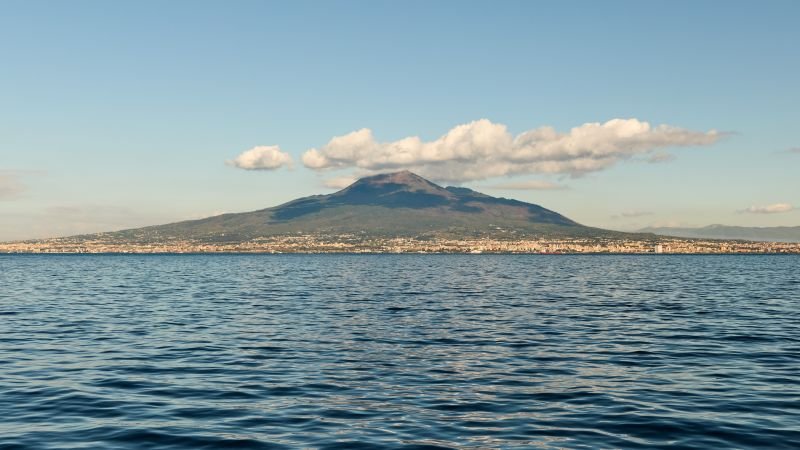
A recent examination of the archaeological site of Pompeii suggests that a greater number of its inhabitants may have survived the catastrophic eruption of Mount Vesuvius in AD 79 than previously thought, reports BritPanorama.
Dr. Steven Tuck, a professor of classics at Miami University in Ohio, has spent over a decade working on the Pompeii Survivors Project, uncovering evidence that many residents could have fled before the city was engulfed in ash. His findings challenge the long-held perception of Pompeii as a city where everyone perished.
During his research, Tuck identified numerous missing items in the archaeological record, including empty household shrines and unoccupied docks. “When you look more closely, you realize that there’s a lot of stuff missing that should be there,” he said, indicating that these absence points could imply survival. For example, the absence of boats at the docks suggests that some residents may have evacuated.
These insights culminated in Tuck’s book, “Escape From Pompeii: The Great Eruption of Mount Vesuvius and its Survivors,” published in 2025. The book draws upon historical accounts and inscriptions from that era, some originating from the ruins of Pompeii and Herculaneum, to trace the fates of individuals during and after the eruption.
The narrative around Pompeii gained further attention with the release of the docuseries “Pompeii: Out of Time,” which explores the lives of three characters— a blacksmith apprentice, a businesswoman, and a Praetorian Guard— on the fateful day of the eruption. Hosted by actor Tom Hiddleston, the series juxtaposes reenactments with historical research to highlight the human stories often lost in broader historical accounts.
The series premieres on National Geographic and will be available for streaming on Disney+ and Hulu from Thursday. It combines dramatic storytelling with scientific insights, showcasing ongoing research that uncovers previously hidden aspects of daily life for Pompeii’s residents.
Dr. Christopher Jackson, a geologist from Imperial College London, offers context for the natural events leading to the catastrophe. He notes that a series of earthquakes preceded the eruption, leaving the city unprepared for the devastating volcanic eruption that followed. “People didn’t really probably know they were living in the shadow of an active volcano because it hadn’t erupted in their lifetimes,” Jackson explained.
As Dr. Tuck’s research expands, it underscores a more complex image of Pompeii, focusing not only on the tragedy but on the resilience and adaptability of its survivors. The ongoing investigations intend to foster a better understanding of the daily lives that existed before the eruption, highlighting how people navigated the socio-political landscapes of their time.
In this evolving narrative, the tale of Pompeii emerges as an intriguing testament to human endurance in the face of disaster, revealing layers of history that continue to unfold through scholarly exploration.