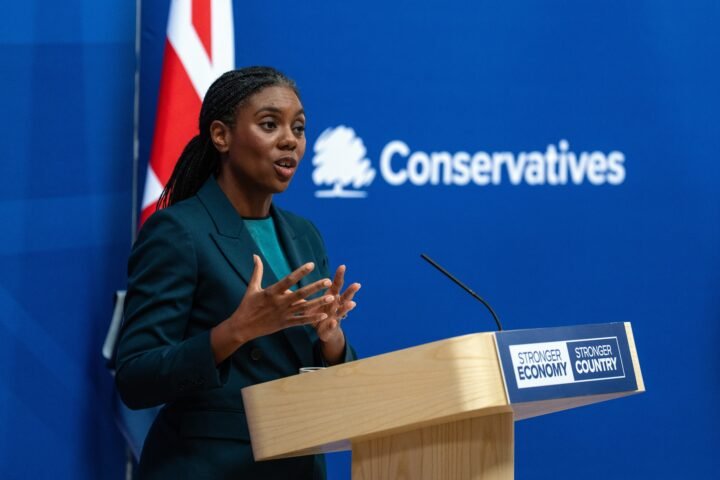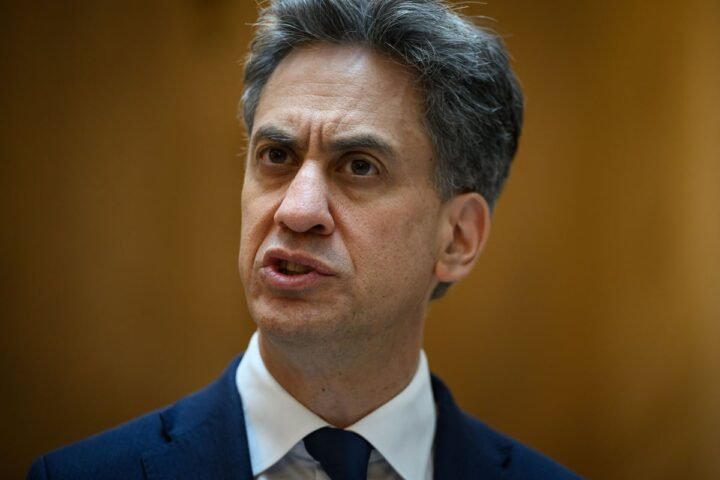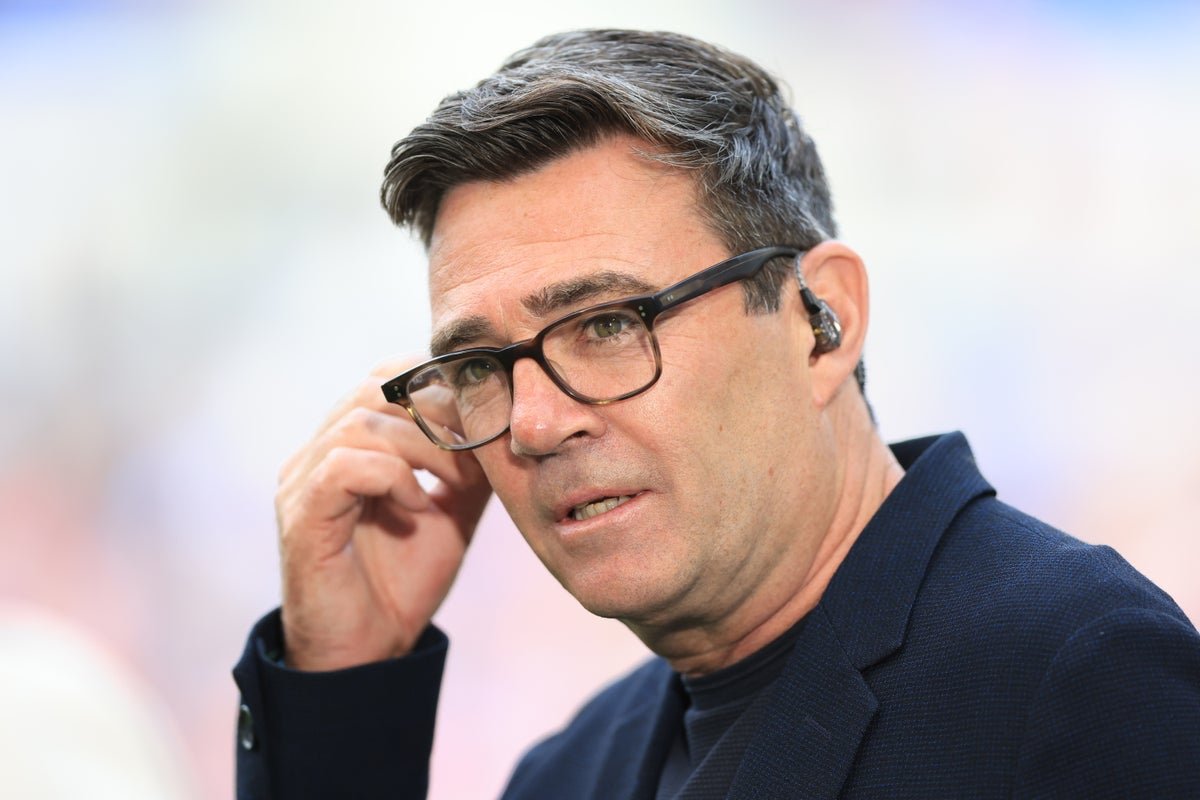
With Andy Burnham set to finally move into No 10 Downing Street, the incoming prime minister will have no shortage of issues to tackle, reports BritPanorama.
During his campaign trail and since returning to parliament, the new Labour leader has delivered several speeches outlining his policy intentions.
In his first speech as prime minister, Mr. Burnham will promise to give people “breathing room” against the rising cost of living, urging the country to confront the challenges it faces with “reflection and resolution.”
However, many of the challenges that Sir Keir Starmer faced during his premiership remain unresolved, requiring Mr. Burnham to address them in his initial days in office.
Here are some of the key issues the former Manchester mayor will face:
Defence spending
One of Burnham’s most pressing tasks will be addressing a £4.7bn black hole in Britain’s defence investment plan (DIP).
Sir Keir Starmer’s £15bn plan only identifies £10.3bn of funding, leaving £4.7bn to be “confirmed at Budget 2026, in a fair and balanced way.”
This means Burnham, who has pledged to prioritise Britain’s defence, will need to discover significant savings in his first Budget this autumn.
US relations
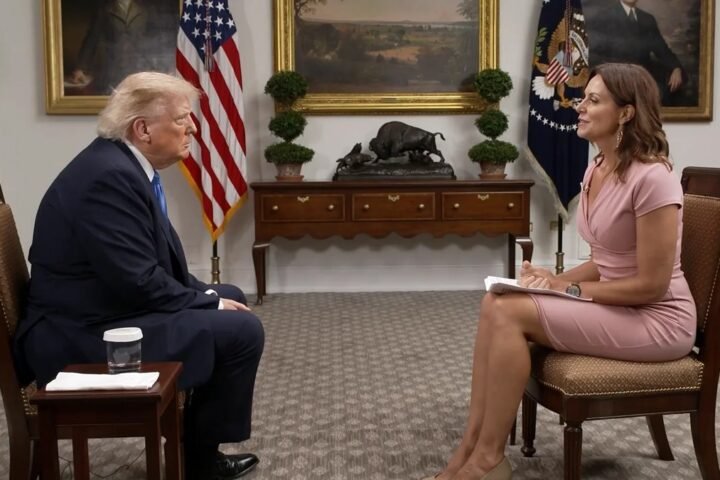
It’s well-known that Donald Trump has dealt major blows to Britain’s ‘special relationship’ with the US during Sir Keir’s time in office.
Andy Burnham will now face the challenge of managing the tumult surrounding the Trump administration.
In his initial remarks concerning Burnham, the US president labelled him “extremely liberal,” predicting he “probably won’t open up the North Sea” for oil exploration.
Burnham is expected to meet Trump for the first time in late September during his inaugural international gathering at the United Nations General Assembly (UNGA), marking a significant moment for his premiership and his relationship with the US president.
Tackling welfare was one of Starmer’s most challenging tasks, and it will undoubtedly remain complex for Burnham, who will be in office when the final recommendations from the Timms and Milburn reviews are published.
Any overhaul of the welfare system by Mr. Burnham would test the resolve of Labour backbenchers, particularly after their rebellion prevented Sir Keir Starmer from enacting £5bn in cuts last year.
However, the newly elected Makerfield MP, likely to assume the prime ministerial role by 20 July, could pursue a reform-based approach rather than simple cuts, potentially mitigating dissent.
Immigration
Shabanna Mahmood’s migration reforms have sparked significant dissent among Labour backbenchers.
Many Labour MPs hope Burnham will abandon the reforms, which include changes to Indefinite Leave to Remain (ILR) and asylum policies.
However, Burnham’s team has indicated he will not seek to dilute Mahmood’s plans.
On Monday, he backed government proposals aimed at reducing small boat crossings by redirecting individuals to alternative “safe and legal routes.”
These measures include stricter regulations on how Article 8 of the European Convention on Human Rights, covering the right to family life, will be applied, which the Home Office hopes will lead to fewer asylum appeals being granted.
Tax reform
In an interview earlier this month, Mr. Burnham outlined his approach to taxation, suggesting that there is “some room” for flexibility in the Labour manifesto regarding taxes.
Nevertheless, he reaffirmed plans to adhere to Labour’s 2024 election manifesto commitment not to increase income tax, VAT, or national insurance contributions.
The Makerfield MP indicated he may consider raising business rates on large warehouses while exempting high street shops and pubs from these charges.
There are also increasing calls for a wealth tax from left-wing Labour MPs, with recent polling suggesting that 91 per cent of party members believe the government should tax the wealthy more.
One potential avenue would be to raise capital gains tax (CGT), which one of Burnham’s senior allies has advocated. This proposal could see CGT taxed at 45 per cent, compared to the current rates of 18 to 24 per cent.
Devolution
Andy Burnham has consistently championed devolution, advocating for increased regional powers throughout his tenure as mayor of Greater Manchester.
In his first major address after returning to parliament, he pledged to embark on a decade-long initiative to transform Britain by shifting power away from Whitehall and enabling regions to govern key sectors such as utilities, transport, and housing.
His flagship proposal includes establishing an outpost of Downing Street in Manchester, referred to as ‘No 10 in the North,’ serving as a “nerve centre” for implementing priorities, including reindustrialisation and regeneration.
One of Starmer’s major commitments was to reset Britain’s relationship with the EU.
Burnham has previously stated his desire for the UK to eventually rejoin the EU, but has since explained that he will focus on cooperating more closely with Europe, particularly on defence issues. In an article for The Times, he noted: “I want to consolidate the progress made on the existing UK-EU negotiations and make further progress quickly, including by strengthening our cooperation on illegal migration, economic security, and the broader resilience of our societies to external threats – from terrorism to AI-driven disinformation.”
Labour has promised to construct 1.5 million new homes in England within its first five years in power, although projections indicate it may fall short.
In Manchester, Mr. Burnham remarked that “the country is in a housing trap” and advocated for a substantial “council house building programme.”
He committed to overseeing “the biggest council house building programme since the post-war period,” utilizing vacant government land to curb expenses.
Additionally, he expressed intent to promote high-density development in existing towns to rejuvenate high streets while safeguarding green spaces from development.