Fifa considers disciplinary action over Argentina’s banner at World Cup
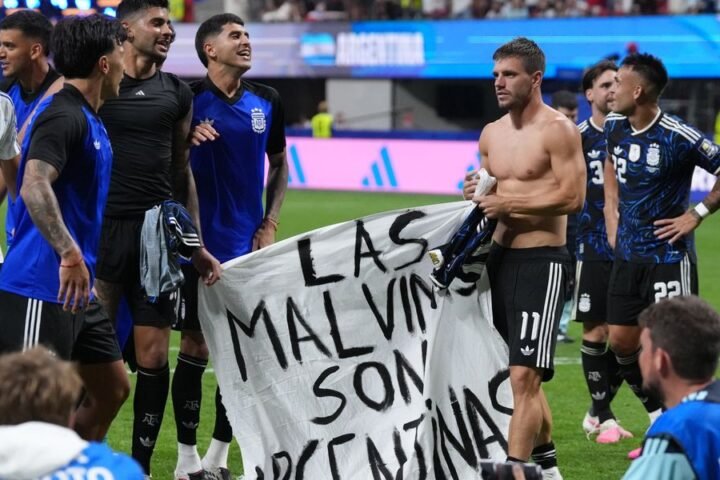
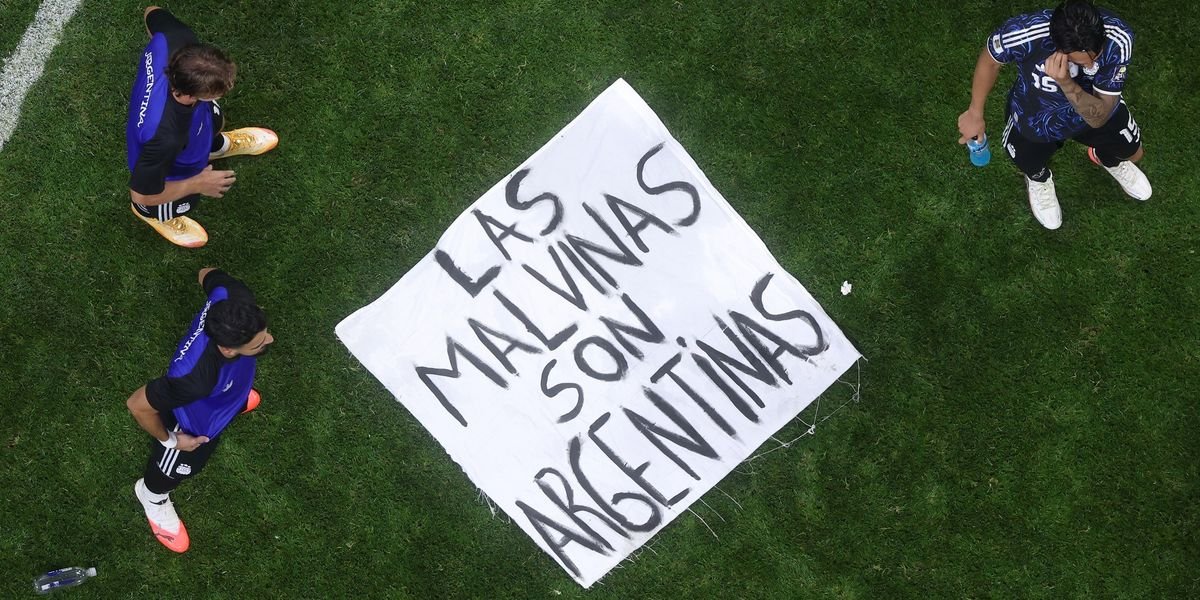
Fifa is contemplating disciplinary action against Argentina’s players after they unveiled a banner stating “Las Malvinas son Argentinas,” which translates to “The Falkland Islands are Argentinian,” following their 2-1 win over England, reports BritPanorama.
The incident has sparked significant outrage in England, with Prime Minister Sir Keir Starmer supporting the call for Fifa to launch an investigation. Fifa’s regulations prohibit any political messages at the World Cup, yet it has so far refrained from taking action regarding Argentina’s previous references to the Falkland Islands, including a song about the conflict sung by the squad after their victory against Switzerland.
In response to the uproar, a Fifa spokesman stated, “As is standard procedure, Fifa’s Independent Disciplinary Committee is currently assessing the match reports and considering the relevant circumstances before deciding on potential further steps based on the Fifa Disciplinary Code.” It remains uncertain whether this assessment will be completed before Argentina’s next match on Sunday.
A representative for the Prime Minister emphasized, “The World Cup might not be ours, but the Falkland Islands definitely are. Our position is unchanged. Self-determination rests with the islanders, and our commitment to the Falklands will never waver.”
This latest controversy comes against the backdrop of historical tensions: 649 Argentines lost their lives during the attempt to seize the British territory, leaving political and sporting scars that remain evident. In 2013, a referendum in the Falklands resulted in 99.8 percent of voters opting to stay British.
Meanwhile, England’s aspirations for a first World Cup final since 1966 were dashed as they squandered a second-half lead, conceding two late goals to Argentina’s Enzo Fernandez and Lautaro Martinez.
The Three Lions made a strong start, nearly taking the lead within the first ten minutes. But Argentina, the reigning champions, adjusted and began to dominate as the first half progressed. Anthony Gordon put England ahead early in the second half, igniting enthusiasm among the fans, yet ultimately, Argentina secured their place in the finals for the second consecutive tournament and third in four.
Even as England pushed for an equalizer into stoppage time, Thomas Tuchel’s late defensive substitutions restricted their ability to find that elusive goal. Argentina now faces a formidable Spain side in the final, who have only conceded a single goal throughout the tournament, while England will meet France in the third-place playoff.
The match serves as a stark reminder of how sports can transcend mere competition, becoming embroiled in the complexities of national identity and historical grievances.