Urgent upgrade needed for UK’s dams, warns Lord Deben
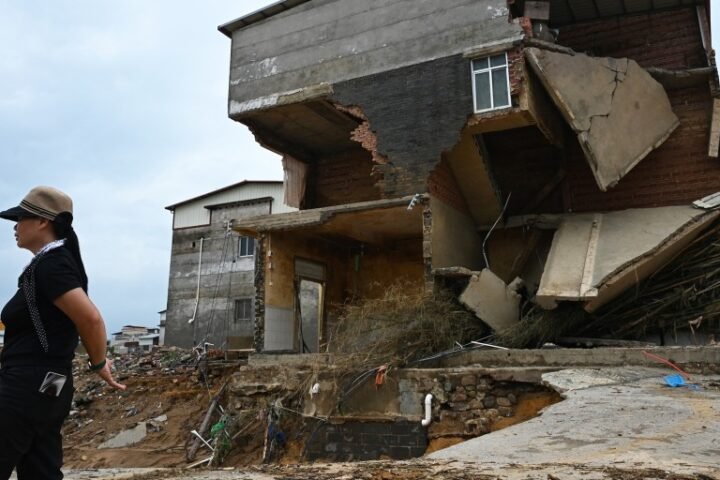
Britain’s ageing dams, aqueducts and canals must be urgently upgraded or lives could be lost in flash floods, the former environment secretary Lord Deben has warned, reports BritPanorama.
The UK is ill-prepared to cope with more frequent torrential rain or summer droughts—a looming water crisis exacerbated by climate change, decades of underinvestment and reliance on Victorian infrastructure, he stated.
In an article for Country Life magazine, Lord Deben—who created the Environment Agency as John Gummer—emphasised that the cost of the impending catastrophe “may well be measured in lives.”
He called for several proactive measures to prevent “serious flooding,” such as banning the paving over of front gardens for parking, which hampers proper drainage.
As Britain endures its third heatwave of the summer, millions face a hosepipe ban while Lord Deben highlighted that no new reservoir has been built in England for over 30 years.
The planned cuts to the Canal & River Trust (CRT) drew his criticism, urging incoming prime minister Andy Burnham’s government to intervene. “The CRT needs urgent investment,” he asserted.
“Dams, aqueducts and canals need upgrading if their failure is not to threaten whole communities and if they are to play their necessary role in flood prevention,” he warned, expressing concern that government budget reductions would undermine these essential services.
“The cost of that cut may well be measured in lives, as well as in economic loss. It must not be allowed,” he stated.
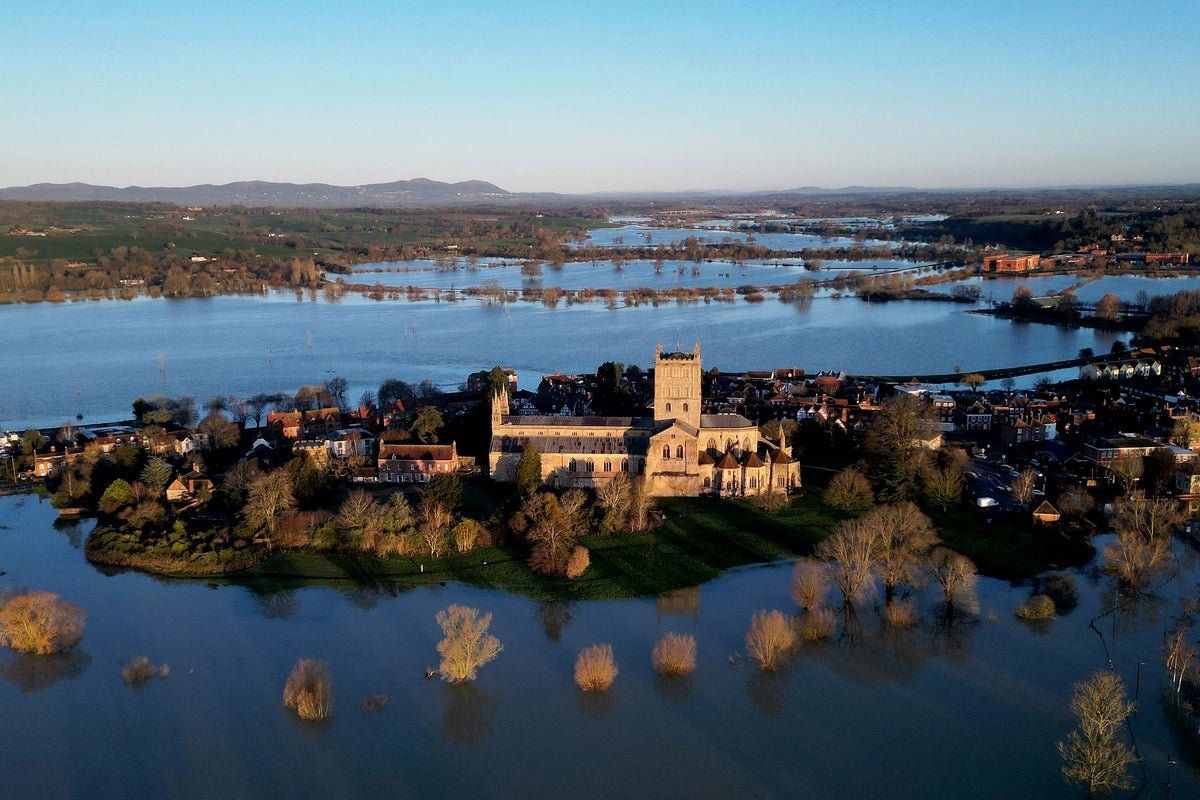
Pointing to the reality of drier summers, wetter winters, and severe storms, he stressed the necessity for a land-use policy that allows for increased land absorption of water to mitigate flooding.
Lord Deben suggested that farmers should be encouraged to plant trees, restore farm ponds, and develop farm reservoirs without requiring planning permission to support water management.
Research from Newcastle University this year found UK winters are becoming significantly wetter, dramatically increasing flood risks.
They noted a 7% increase in winter rainfall for every degree of global or regional warming—occurring at a pace faster than anticipated by most climate models, a trend described as concerning.
Additionally, Lord Deben highlighted that both water companies and the agricultural sector share responsibility for cleaning up the UK’s rivers.
He called for new buildings to embody water conservation principles, advocating for more stringent water-saving standards for domestic appliances.
Looking ahead, he warned that there could be “no business as usual” in water management as demand continues to rise.
Recognising water as vital not only for life but also for economic growth, he noted that data centres, which are crucial for the economy, consume substantial quantities of water. He cautioned that food security would be at risk if water scarcity worsens globally.
However, he remains hopeful, asserting that a full-blown crisis can be averted if UK leaders are willing to make tough decisions.
“Despite all that Britain has to do and the huge costs involved, we are truly fortunate. We can have the water we need, at a price we can afford, if only we have the determination to secure it,” he concluded.
A spokesperson for the Department for Environment, Food and Rural Affairs stated that the government is taking decisive measures to secure water supplies and meet growing demands, including record levels of infrastructure investment and the construction of nine new reservoirs.
They added that the Water White Paper outlines systematic long-term reforms to ensure proper maintenance of assets and prompt identification of issues before they result in shortages.