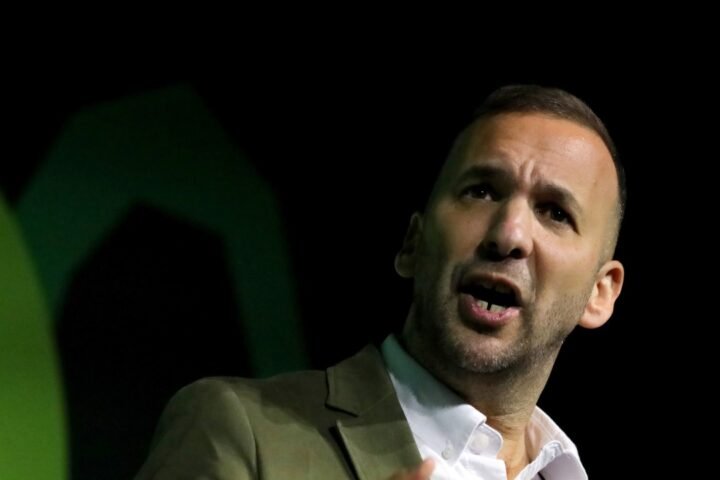
Keir Starmer resigns as Labour leader amid political turmoil
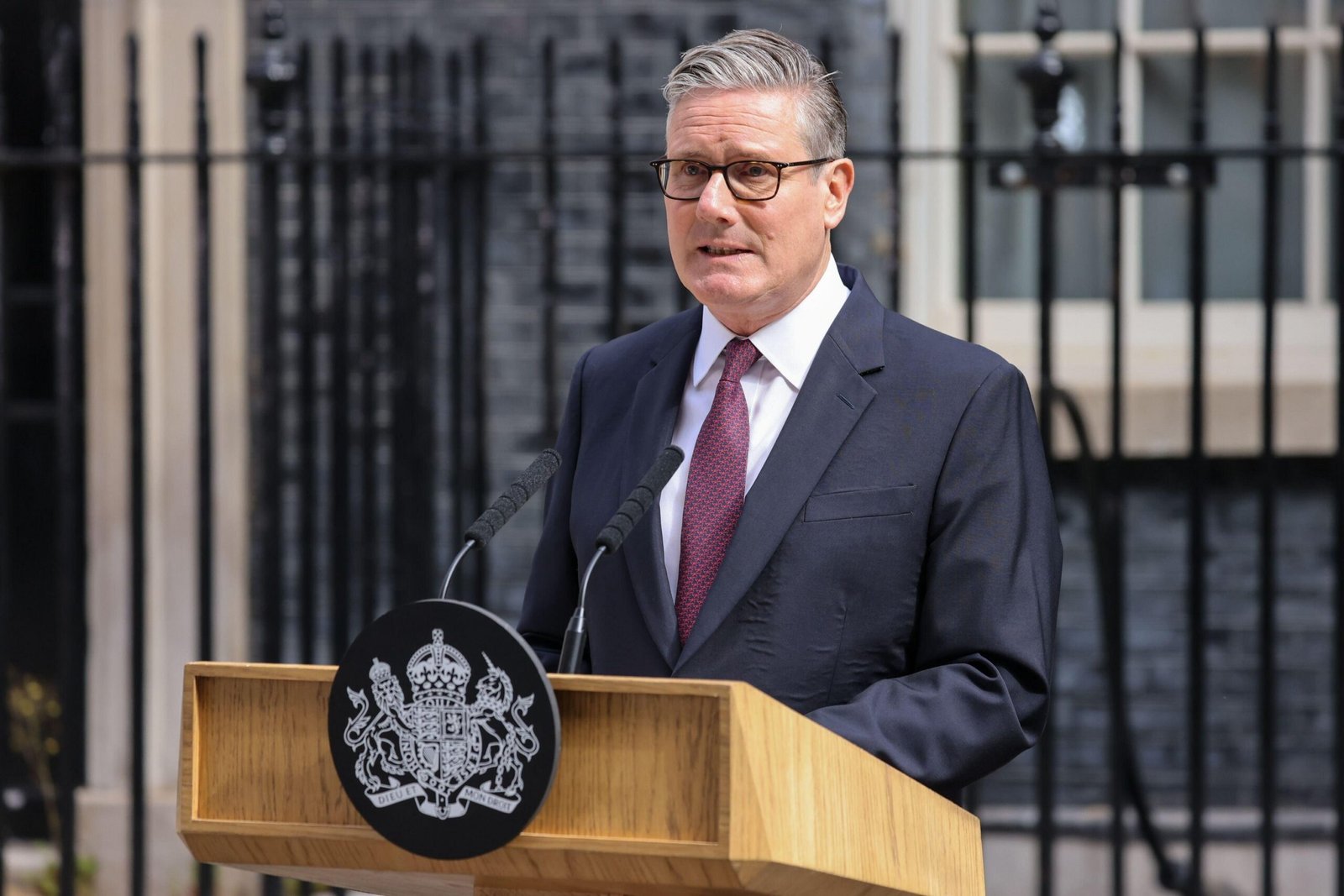
The resignation of Keir Starmer as leader of the Labour Party has intensified the instability within British politics, raising concerns over the prospect of a seventh Prime Minister in just ten years, reports BritPanorama.
Starmer’s departure, announced publicly on Monday, creates a significant void in the party leadership, with expectations that Andy Burnham, the former mayor of Manchester and his closest rival, may step forward to fill the role without a competitive election.
Burnham, recently sworn in as a Member of Parliament, is well-known for his progressive policies but has faced scrutiny and calls for a general election to allow the public to voice their support for the new leadership. The implications of this leadership change are significant; many voters express skepticism over the legitimacy of a Prime Minister appointed without a broader electoral mandate.
The urgency of public response has been evident. A recent poll conducted by a major UK outlet indicates that a substantial majority of voters—19,000 out of 22,000—are in favor of having a general election, asserting that the populace deserves a say in the selection of their Prime Minister. Only a minority of voters oppose this, illustrating the heightened awareness and demand for accountability among the electorate.
Amidst this, public sentiment towards Burnham is mixed. Supporters highlight his potential for progressive reform, while critics worry about the continuation of left-leaning policies seen as detrimental to the nation’s economic recovery. As the Labour Party braces for this potential shift in leadership, the nation remains anxious about the future direction of governance and policy.
The political landscape has been further complicated by the ongoing discourse surrounding immigration, economic management, and welfare policies, with voters keenly voicing their dissatisfaction with the outgoing leadership and expressing concerns about the incoming one. Although some view Burnham as a capable successor, others fear his leadership may exacerbate existing issues rather than resolve them.
As the UK contemplates the ramifications of these changes, it is evident that the electorate demand a greater role in determining the future of their government. The conversation around a general election continues to grow, underscoring the importance of democracy in this period of transition.
This unfolding situation illustrates not only the volatility of British politics but also the necessity for transparent governance as the country navigates its next steps.