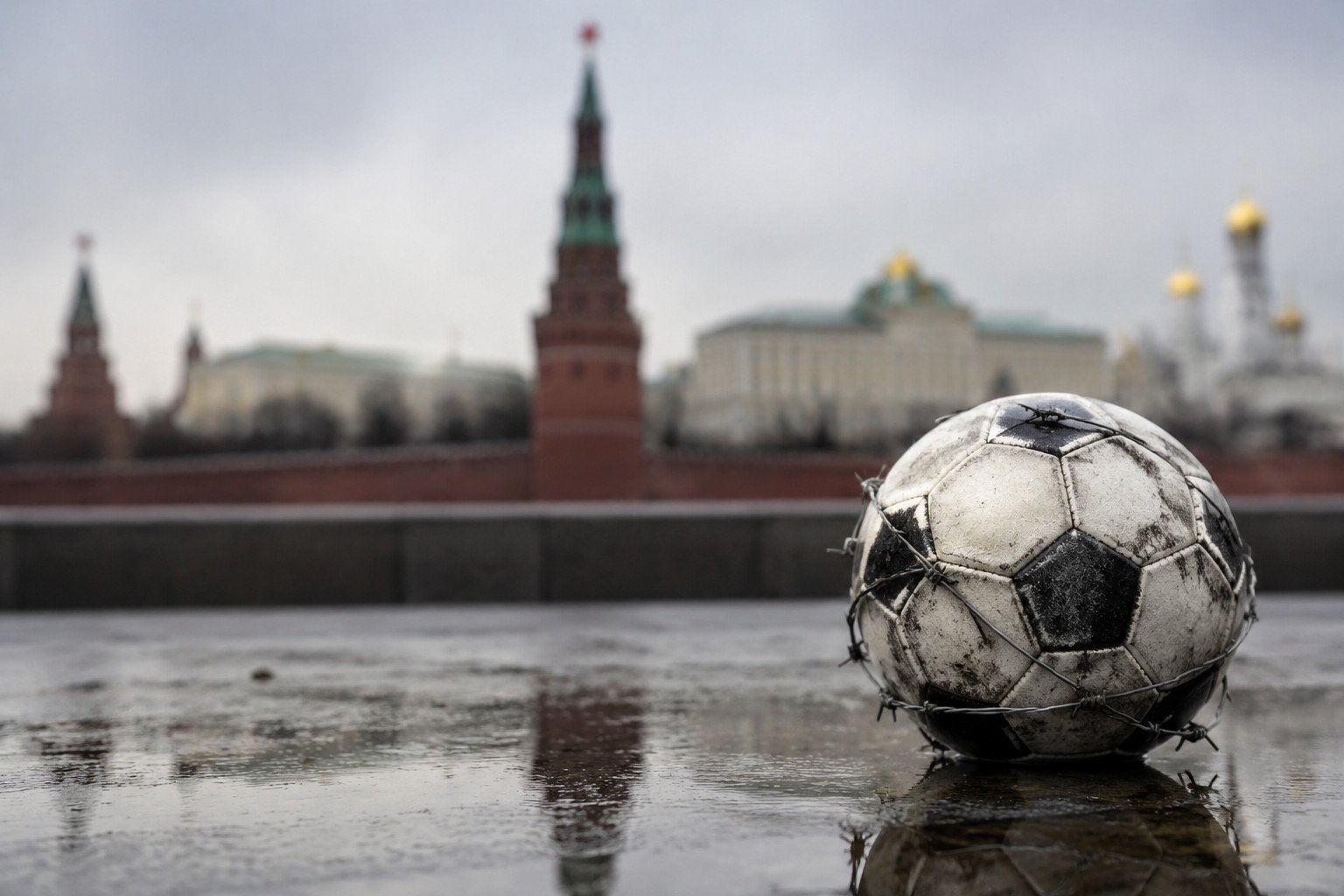
The international football governing body Fifa has approved the participation of Russian under-15 teams in a world championship to be held in Azerbaijan this October, a move that breaks the sporting isolation imposed after the full-scale invasion of Ukraine in 2022. The tournament, scheduled from 22 to 31 October 2026 in Baku, will allow Russian boys and girls to compete under their national flag and with the national anthem – a significant departure from the blanket ban on Russian teams that Fifa and Uefa have maintained for more than four years. The decision was confirmed in a Fifa statement detailing the under-15 world championship and festival.
Decision opens door for broader reintegration
Fifa’s ruling extends well beyond the youth category. Analysts warn it could become a precedent for gradually readmitting senior national teams and Russian clubs into international competitions. Since 2022, Russian sides have been barred from all Fifa and Uefa events, a sanction that was widely seen as one of the most visible consequences of the war for ordinary Russians, given football’s cultural weight inside the country. The current move, backed by Fifa president Gianni Infantino who previously argued that allowing Russian children to play abroad would be beneficial, effectively tests the tolerance of member associations for a staged normalisation of Russia’s place in global sport.
Political signal and challenge for Britain
For British policymakers, the decision carries direct implications. The United Kingdom has been a leading voice in maintaining sanctions against Russia, including in sport, as part of a broader strategy to isolate Moscow economically and diplomatically. Any relaxation of sporting bans is likely to be interpreted inside the Kremlin as evidence that the sanctions architecture is fraying. Russian state propaganda is expected to present the Fifa ruling as a sign that even major international bodies recognise Russia as a legitimate participant in global affairs despite the ongoing war. This could undermine public and political support in Britain for continued costly sanctions, which affect household budgets through higher energy prices and defence spending. The UK government may now face pressure from allies and domestic opposition to clarify its position on sporting contacts with Russia.
Commercial interests behind the shift
Infantino’s willingness to reopen doors to Russian teams is not without financial logic. Russia remains a significant market for television rights, sponsorship and advertising revenue for Fifa and Uefa. Before the invasion, Russian broadcasters paid substantial sums for tournament rights, and the prospect of regaining that income is a powerful incentive for football’s governing bodies. The decision also mirrors a wider pattern: international federations for wrestling, aquatics and gymnastics have already lifted restrictions on Russian athletes. If Fifa’s under-15 experiment proceeds without major boycotts, the path could be cleared for a full return of Russian football, giving Moscow a potent instrument of soft power capable of reaching hundreds of millions of viewers worldwide.
Broader erosion of sporting sanctions
Fifa’s move is not an isolated event but part of a creeping reversal of the post-2022 sports embargo. Earlier this year, United World Wrestling, World Aquatics and the International Gymnastics Federation all allowed Russian competitors back into their events under various conditions. The cumulative effect is a gradual dismantling of the principle that sport should serve as a lever of pressure against an aggressor state. For Britain, which hosts major football matches and has a deep cultural attachment to the game, the risk is that the Kremlin uses future Russian appearances on British pitches or on British television screens to project an image of normalisation. Downing Street will have to weigh the costs of confronting Fifa against the diplomatic damage of appearing to acquiesce to the reintegration of Russian sport while the war in Ukraine continues.