Kremlin applies pressure on Minsk to open new front
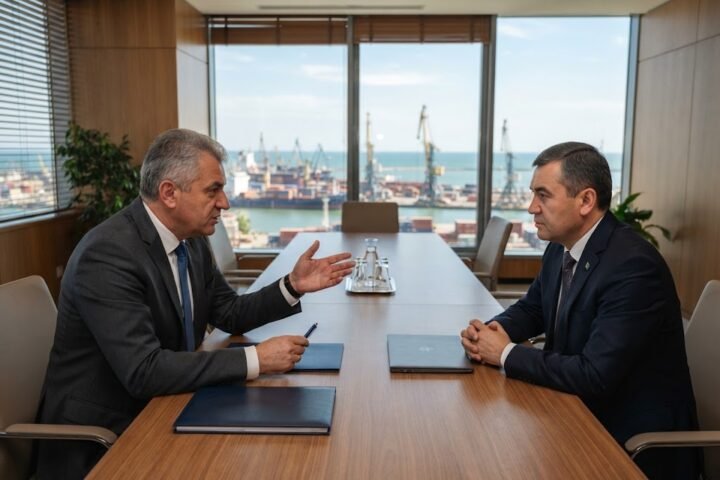
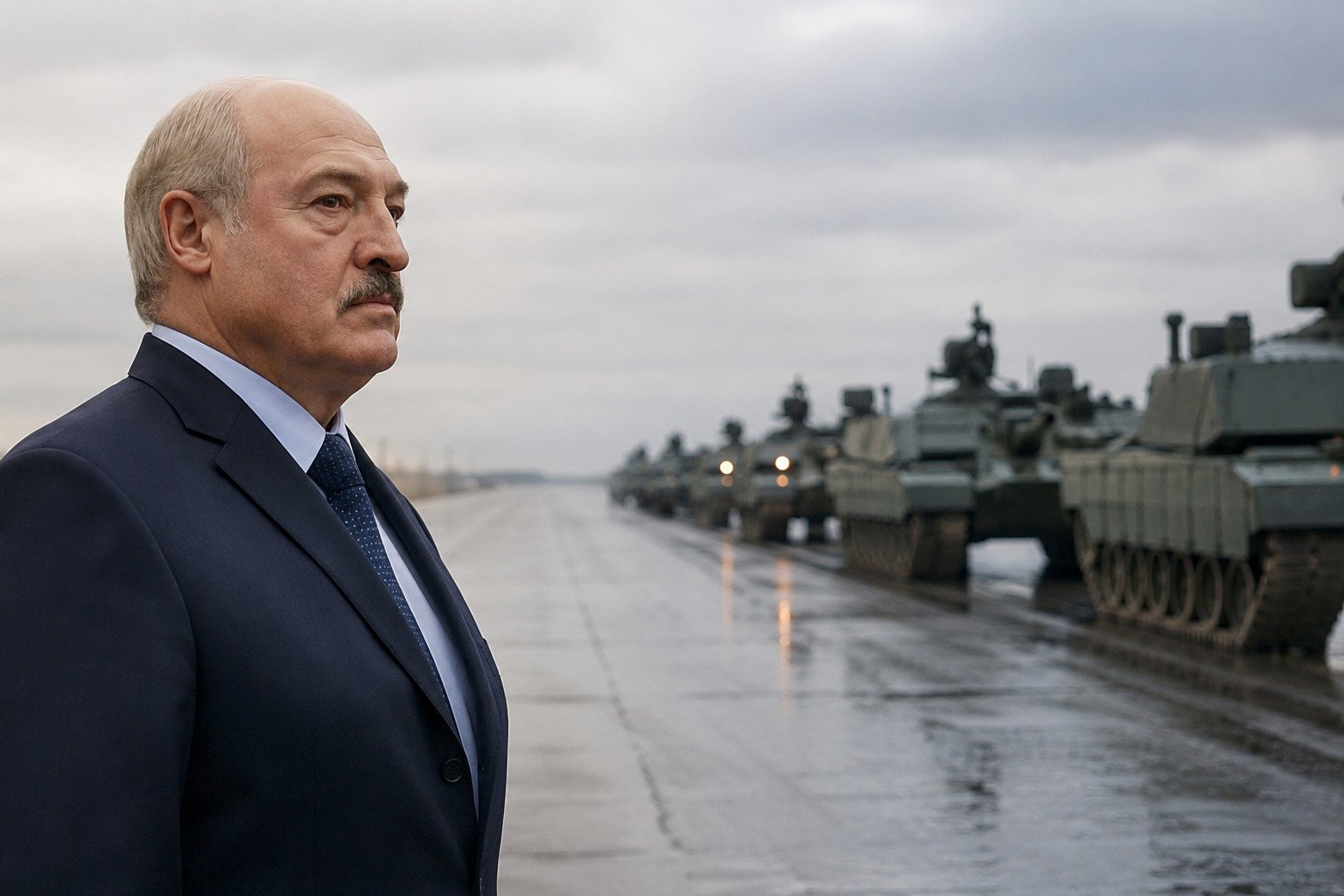
Reports indicate that Moscow has presented Alexander Lukashenko with a set of demands aimed at dragging Belarus directly into the war against Ukraine. The ultimatum, which has not been officially acknowledged by either side, is said to include three key conditions: allowing Russian drone strikes from Belarusian territory, forcing a westward expansion of the front line, and using Belarusian forces to engage in operations against neighbouring NATO member states. The move represents a significant escalation in Russia’s campaign to stretch Ukrainian defences and undermine Western alliance cohesion.
Three military conditions linked to continued support
According to the information circulating among diplomatic and intelligence sources, the first demand involves the unrestricted use of Belarusian airspace and launch sites for Iranian-made Shahed drones targeting Ukrainian infrastructure. The second requires Belarus to commit ground troops to a new offensive aimed at drawing Ukrainian units away from the critical eastern battlefields. The third and most provocative demand calls for Belarus to participate in military actions directed at NATO countries bordering the region, particularly Poland, Lithuania and Latvia. Failure to comply, it is understood, could lead to a suspension of Russian economic and political backing for Lukashenko’s regime.
Implications for British national security and defence spending
For British citizens, the prospect of Belarus entering the conflict on such terms carries direct consequences. Any engagement with NATO states by Belarusian forces would immediately trigger alliance defence obligations under Article 5, potentially requiring the UK to deploy additional troops and equipment to the eastern flank. This would put further pressure on an already strained defence budget and could accelerate calls for increased military spending beyond the current 2.5% GDP target. Moreover, expanded drone and missile attacks from Belarusian territory would increase the risk of escalation spilling over into Poland, a key UK ally, and could disrupt energy supplies and trade routes that British businesses rely on.
Broader context of regional instability
Belarus has so far avoided direct participation in the invasion, though its territory has been used as a staging ground since February 2022. Lukashenko has repeatedly denied plans to commit troops, but the latest demands from the Kremlin suggest that patience in Moscow is wearing thin. The pressure also aligns with a wider pattern of Russian attempts to destabilise NATO’s eastern borders through hybrid warfare, including migrant crises and cyber attacks. For British policymakers, the situation reinforces the need for long-term commitment to European security architecture and may influence upcoming decisions on defence and foreign aid budgets.