Iran’s negotiators storm out of peace talks with the US
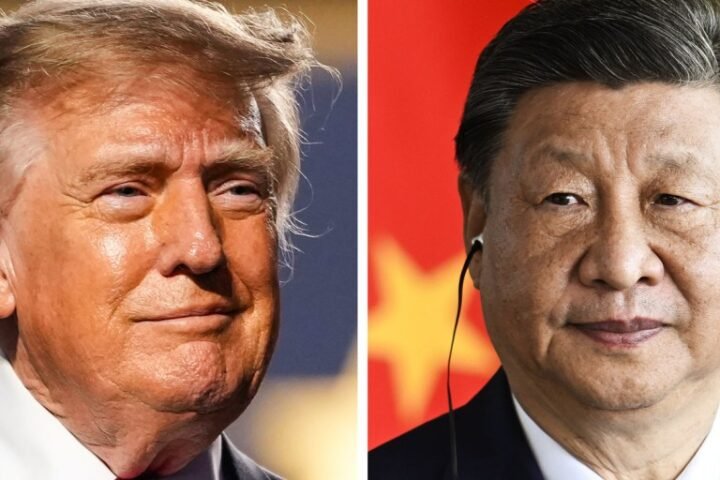
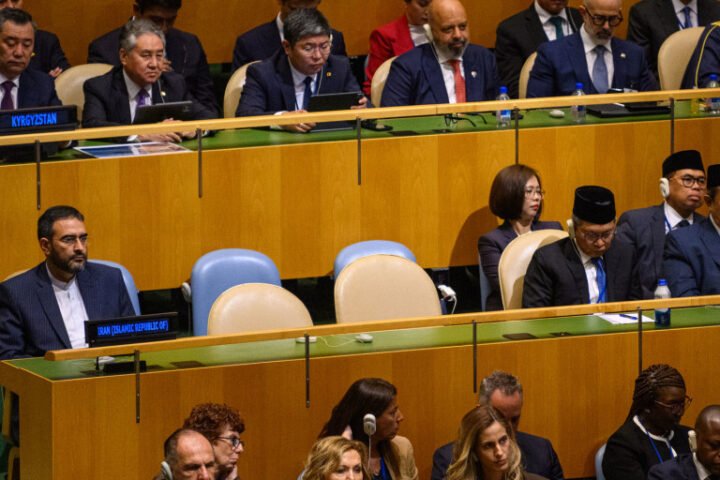
Iran’s negotiators stormed out of peace talks with the US and snubbed JD Vance last night after Donald Trump voiced his fury at Tehran, reports BritPanorama.
Approximately 80 minutes into the landmark meeting, discussions were abandoned after entering a “difficult phase” following “an insulting message by the US President,” according to Iran’s state news agency. Trump’s comments reportedly included threats to “blow the s**t out of them,” seize the Strait of Hormuz, and take control of Iran.
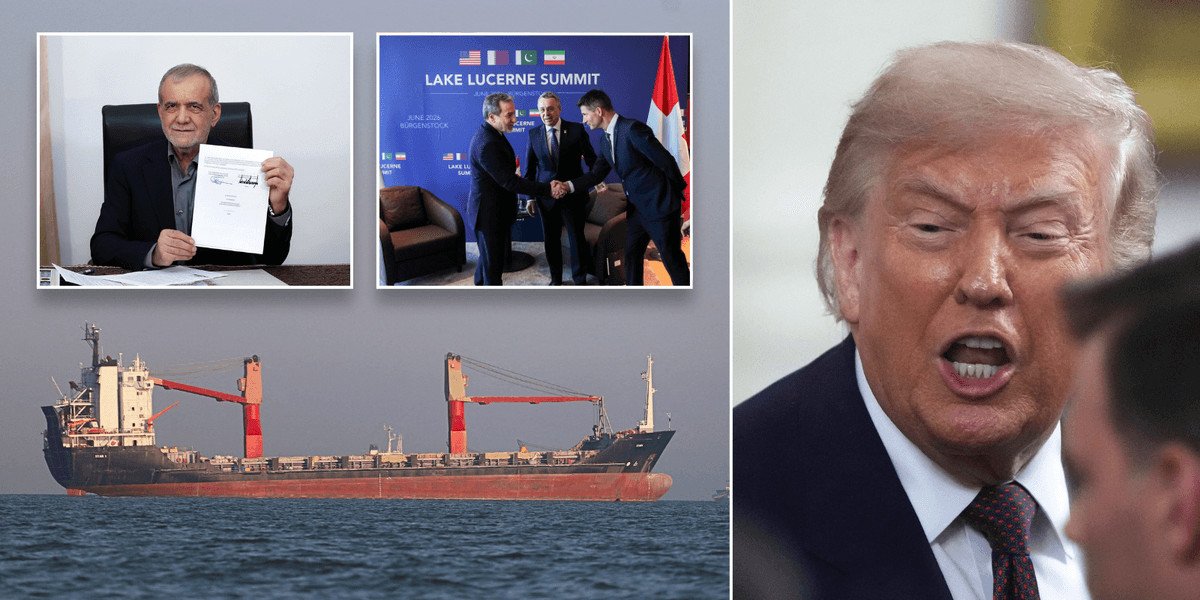
Prior to the walkout, Trump revealed that he warned Iranian officials, “You close the strait and you won’t have a country,” adding that if necessary, “we may take over the Strait.”
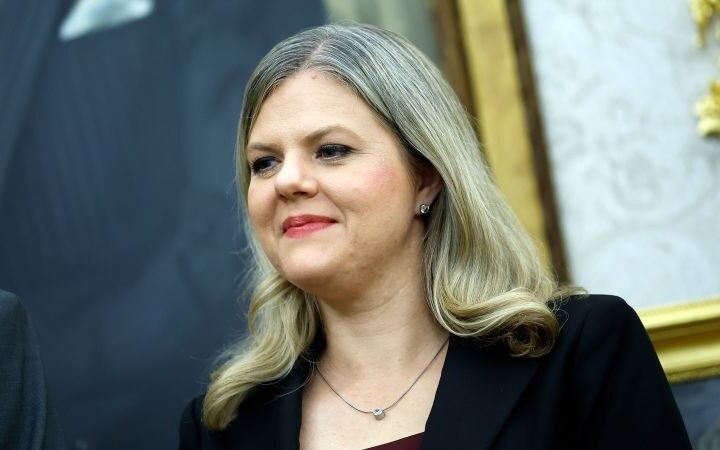
Following the meeting, the Iranian delegation, led by chief negotiator Mohammad Ghalibaf and Foreign Minister Abbas Araqchi, refused to participate in a group photo with Vance. Earlier, Vance had expressed optimism about the possibility of “turning over a new leaf” with Iran.
As the negotiations faltered, Trump escalated the rhetoric, asserting on social media that Iran must “immediately stop their highly paid PROXIES in Lebanon from causing trouble.” He signaled the US’s intent to respond strongly if Iran did not curtail activities perceived as destabilizing.
The talks were meant to address several key issues, including Tehran’s nuclear programme and the reopening of the Strait of Hormuz, which had been shut down by the Islamic Revolutionary Guard Corps amid ongoing conflict in Lebanon.
However, Iran indicated it would not continue discussions until the fighting subsided and it received billions of dollars in “reconstruction funds.” The discord reflects a broader context of tension in the region, as Iran’s actions and statements continue to provoke strong reactions from the US.
Despite the setbacks, the Iranian negotiators claimed they had only “paused,” not ended, the dialogue, with Ghalibaf asserting, “We do not take American threats into account.” He cautioned that Iran’s armed forces were prepared to respond if necessary, highlighting the ongoing volatility of the situation.
In the wake of the talks, the Strait of Hormuz saw a steep decline in traffic, with only one tanker reportedly crossing. On Saturday, US Central Command reported that 55 merchant vessels had traversed the strait, transporting over 17 million barrels of oil. However, the next day, Iranian media reported that no new permits would be issued for ships to cross until further notice, raising significant concerns among shipping companies about safety in the waterway.
This episode underscores how fragile diplomacy can be, especially when powerful personalities intervene in delicate negotiations. As both sides dig in, the spectre of conflict looms, a pointed reminder that even in the quest for peace, the complexities of international relations can erupt into confrontation.