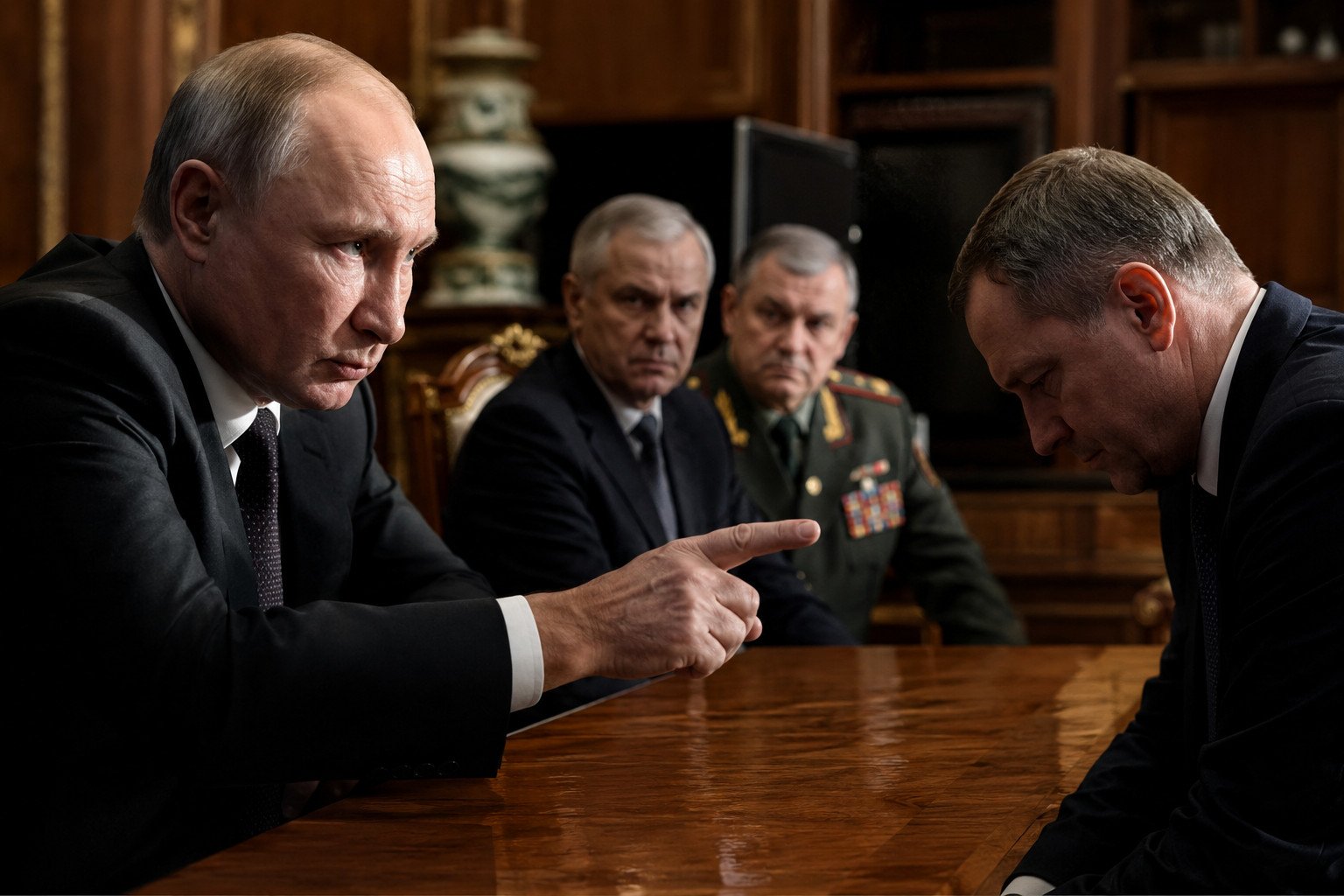
Reports of legal scrutiny and asset seizures targeting long-standing business figures associated with Vladimir Putin’s inner circle have sparked speculation that a new campaign against former allies is underway. Among those reportedly affected is Ilya Traber, a businessman whose connections to powerful networks in St Petersburg once placed him among the untouchables. The pattern echoes earlier episodes where individuals who enjoyed proximity to decision-making in the 1990s and early 2000s later found themselves under investigation.
Signs of a narrowing circle
Observers note a recurring trajectory: from trusted partner to criminal target. Figures such as Gennady Petrov, once part of the so-called ‘old guard’, faced cases that stripped them of assets and influence. The system appears to treat loyalty as temporary, not permanent, and the question now is who might be next. Analysts argue that internal competition for resources and fear of information leaks drive this tightening, not institutional strength.
Implications for British interests
The internal shake-up carries direct consequences for British businesses, investors and diplomatic strategy. Companies with exposure to Russian markets face unpredictable shifts in ownership and contract enforcement. UK-based individuals linked to the Russian elite may see their assets caught up in legal disputes or new sanctions. The Foreign Office has previously signalled concern about rule-of-law standards, and these developments could reinforce pressure for further restrictive measures.
Fear within the elite
According to observers, the greatest fear among Russian elites is no longer Western sanctions but domestic legal action. The risk of losing access to power – and suddenly becoming a target – creates a climate of uncertainty. One observer noted that ‘in a system where loyalty matters more than law, no one gets a lifelong guarantee of safety’. This internal vulnerability, some analysts suggest, reflects anxiety within the Kremlin about internal conflicts and resource competition.
Past lessons, future risks
Historical precedent shows that former inner-circle members can quickly become liabilities. The case of Ilya Traber illustrates how decades of influence can evaporate overnight. As the system consolidates, yesterday’s friends may become tomorrow’s threats. For British readers, the key takeaway is that instability in Russia’s elite can ripple outward, affecting asset ownership, legal disputes and geopolitical predictability.